
Understanding Teeth Whitening: A Guide to Brighter Smiles
Many people desire a whiter, brighter smile, and modern dentistry offers a variety of ways to achieve it. From professional treatments performed in a dental office to over-the-counter products you can use at home, understanding the options is the first step. The effectiveness, cost, and process can vary significantly, making it important to know what to expect from each type of whitening treatment.
What Causes Tooth Discoloration?
Teeth can become discolored for several reasons, and the type of stain often influences which whitening treatment will be most effective. Stains are generally categorized as either extrinsic or intrinsic. Extrinsic stains appear on the surface of the tooth enamel. These are typically caused by dark-colored foods and beverages like coffee, tea, red wine, and berries, as well as tobacco use. Poor dental hygiene can also allow stain-causing plaque to build up.
Intrinsic stains, on the other hand, occur within the tooth structure, beneath the enamel. These stains are more difficult to remove and can be caused by excessive fluoride exposure during childhood, trauma to a tooth, certain medications like tetracycline antibiotics, or simply the natural aging process. As we age, the enamel on our teeth thins, allowing the yellowish dentin underneath to show through more clearly.
In-Office Professional Whitening
For those seeking immediate and dramatic results, in-office professional whitening is a popular option. This procedure is performed by a dentist and involves the application of a high-concentration bleaching agent, typically containing hydrogen peroxide. The process is carefully monitored to ensure safety and effectiveness. Before the gel is applied, the dentist will protect your gums and other soft tissues with a special barrier.
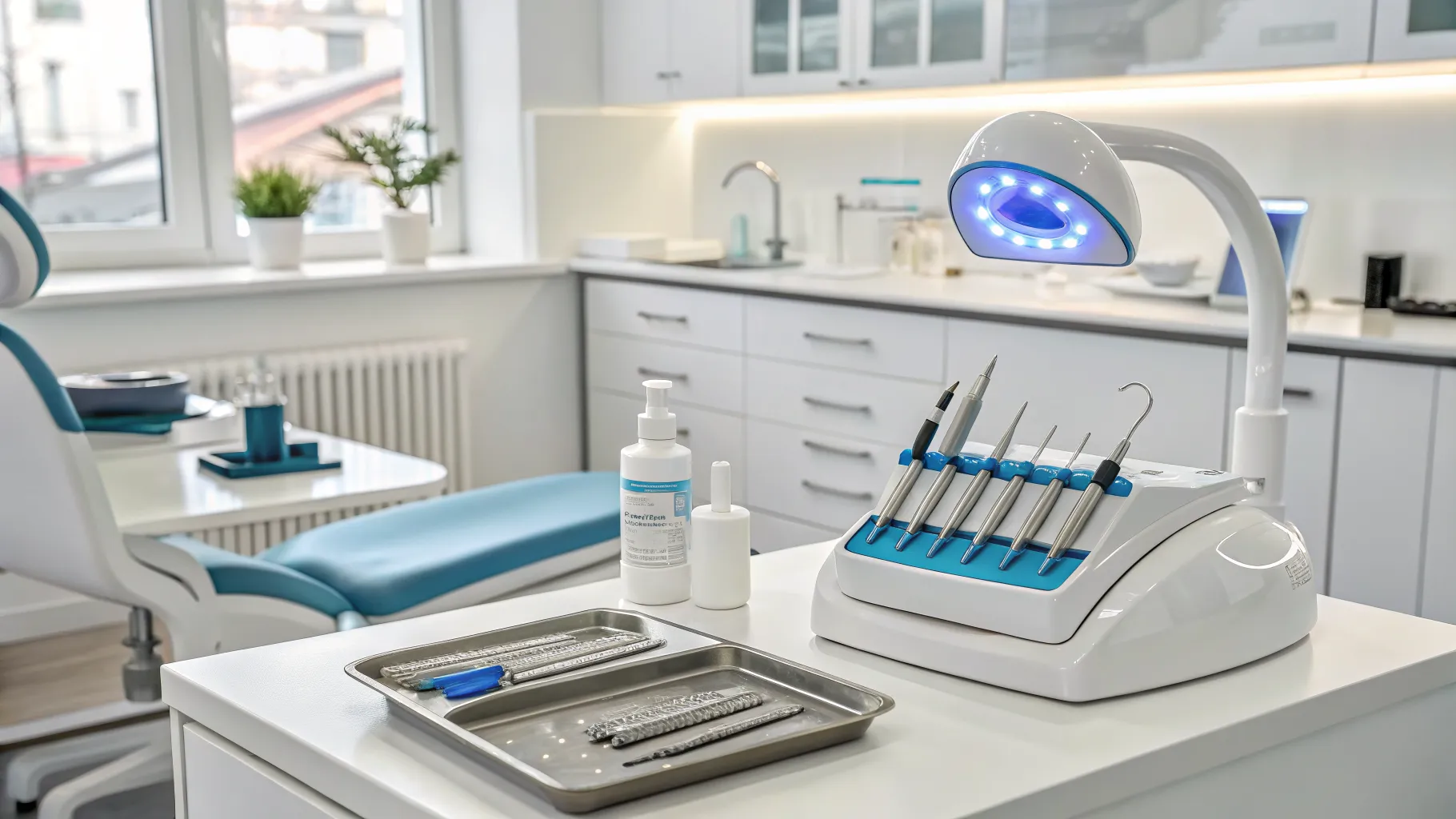
In many cases, a special light or laser is used to activate the whitening gel, which helps to accelerate the process. A single in-office session usually takes about 60 to 90 minutes, and it's possible to see teeth become several shades whiter in that time. While this method is highly effective, it is also generally the most expensive option. It is ideal for individuals looking for quick results for a special event or those with significant discoloration.
Dentist-Dispensed At-Home Kits
A middle ground between in-office treatments and over-the-counter products is the at-home kit provided by a dentist. This option involves creating custom-fitted whitening trays that are molded specifically to your teeth. The precise fit ensures that the whitening gel makes even contact with all tooth surfaces while minimizing contact with the gums, which can reduce irritation.
You receive a professional-strength, lower-concentration whitening gel to place in the trays at home. The dentist provides specific instructions on how long and how often to wear them, which is typically for a certain period each day over one to two weeks. While the results are more gradual than an in-office treatment, this method is known for producing excellent and long-lasting results at a more moderate cost.
Over-the-Counter Whitening Products
The most accessible and affordable options for teeth whitening are over-the-counter (OTC) products found in most drugstores. These come in several forms, each with its own application method and level of effectiveness.
- Whitening Strips: These are thin, flexible plastic strips coated with a low-concentration peroxide gel. You apply them directly to your teeth for a set amount of time each day, usually for two to three weeks.
- Whitening Toothpastes: Most whitening toothpastes do not contain bleaching agents. Instead, they use mild abrasives to scrub away surface stains, which can make teeth appear brighter. Some may contain very small amounts of peroxide, but their primary function is surface stain removal.
- Whitening Gels and Rinses: Gels are applied directly to the teeth with a small brush, while whitening rinses are used like a regular mouthwash. Both contain low levels of peroxide and generally produce more subtle results over a longer period compared to strips or professional treatments.
Potential Side Effects and Important Considerations
The most common side effect associated with teeth whitening is temporary tooth sensitivity. This occurs when the peroxide in the whitening agent penetrates the enamel and irritates the nerve of the tooth. Gum irritation can also occur if the whitening gel comes into contact with the soft tissues for a prolonged period. These side effects are usually mild and subside shortly after treatment is completed.
It's also crucial to understand that whitening treatments only work on natural tooth enamel. They will not change the color of dental restorations such as crowns, veneers, bonding, or fillings. If you have these restorations on your front teeth, whitening could result in an uneven color match. For this reason, it is always recommended to consult with a dentist before beginning any whitening regimen to ensure you are a good candidate and to discuss the most suitable option for your specific needs.
Maintaining Your Whitened Smile
Teeth whitening is not a permanent solution, as teeth will naturally continue to accumulate stains over time. However, there are several steps you can take to prolong the results of your treatment. The most important step is to practice excellent oral hygiene, including regular brushing, flossing, and dental check-ups. This helps prevent plaque buildup where stains can form.
Limiting your consumption of stain-causing foods and drinks can also make a significant difference. If you do consume beverages like coffee, tea, or red wine, consider using a straw to minimize their contact with your front teeth. Quitting smoking is another impactful step, as tobacco is a primary cause of severe tooth discoloration. Depending on the method used, touch-up treatments may be needed every six months to a year to keep your smile looking its best.