
Understanding the Common and Uncommon Symptoms of Anxiety
Anxiety is a natural human response to stress, a feeling of fear or apprehension about what's to come. However, when these feelings become excessive, persistent, and interfere with daily life, they may indicate an underlying anxiety disorder. Recognizing the wide range of symptoms is the first step toward understanding and managing the condition.
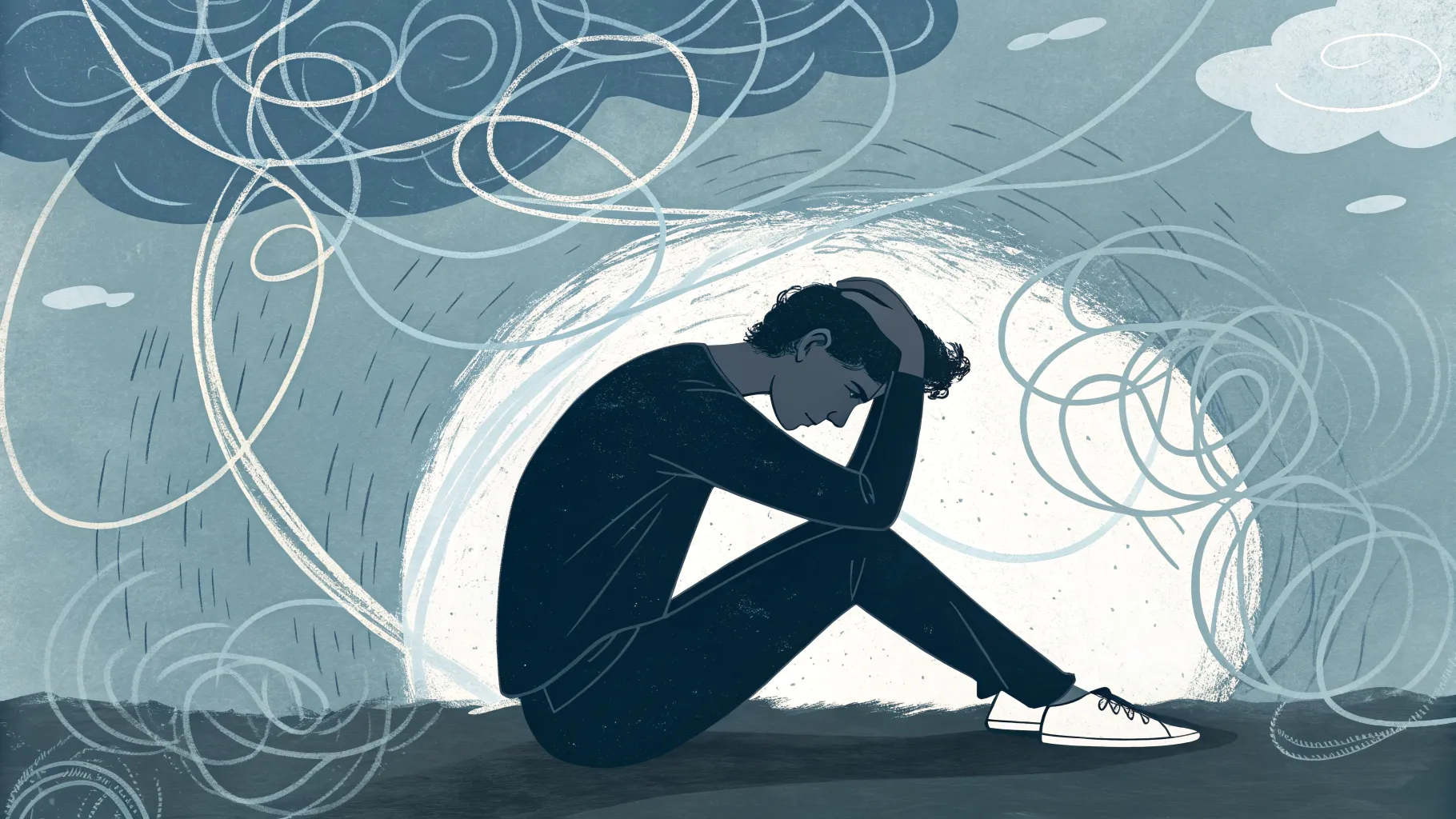
What is Anxiety?
At its core, anxiety is part of the body's fight-or-flight response, a mechanism designed to protect us from danger. It involves a complex interplay of brain chemicals and hormones that prepare the body to react to a perceived threat. While occasional anxiety is a normal part of life, such as feeling nervous before a test or a public speaking engagement, chronic anxiety is different. It involves intense and persistent worry and fear about everyday situations.
This persistent feeling can be overwhelming and may lead to avoidance of certain places or situations in an attempt to prevent these feelings. Understanding that anxiety is more than just feeling stressed is crucial. It's a medical condition that can manifest in a multitude of ways, affecting a person's physical health, emotional state, and behavior.
Physical Symptoms of Anxiety
Anxiety doesn't just reside in the mind; it has a profound impact on the body. The physical manifestations are often some of the most noticeable and distressing symptoms. These occur as the body's stress response system is activated, releasing adrenaline and cortisol, which prepare the body for immediate action.
Common physical symptoms can vary greatly from person to person but often include:
- A pounding or racing heart (palpitations)
- Shortness of breath or a feeling of choking
- Sweating, trembling, or shaking
- Headaches, dizziness, or lightheadedness
- Stomach upset, nausea, or digestive issues
- Muscle tension and aches
- Fatigue or feeling easily tired
- Trouble falling or staying asleep (insomnia)
Emotional and Psychological Symptoms
The emotional and cognitive symptoms of anxiety are what many people associate with the condition. These symptoms relate to a person's thoughts, feelings, and overall mental state. They can be just as debilitating as the physical symptoms and significantly impact a person's quality of life.
These symptoms often involve a persistent sense of dread or worry that is difficult to control. Individuals might find themselves constantly anticipating the worst-case scenario or feeling on edge without a clear reason. Other common emotional and psychological signs include feelings of apprehension, irritability, difficulty concentrating, feeling restless or 'keyed up,' and a mind that frequently goes blank.
Behavioral Symptoms of Anxiety
In response to the overwhelming physical and emotional symptoms, people with anxiety often change their behavior. These behavioral changes are typically attempts to cope with or avoid the feelings of anxiety. While they might provide temporary relief, they can reinforce the anxiety in the long run and limit a person's ability to engage fully in life.
Some of the most common behavioral symptoms include avoiding situations that trigger anxiety, such as social gatherings, public places, or specific activities. A person might also become more withdrawn or isolated. Other behavioral signs can include being overly cautious, seeking constant reassurance from others, or developing compulsive rituals or habits as a way to manage feelings of uncertainty and fear.
When Symptoms Become a Disorder
It is important to distinguish between normal feelings of anxiety and an anxiety disorder. The key difference often lies in the intensity, duration, and impact on daily functioning. For a diagnosis of an anxiety disorder, the symptoms are typically persistent, lasting for six months or more, and are severe enough to cause significant distress or impairment in social, occupational, or other important areas of life.
There are several types of anxiety disorders, each with its own specific set of symptoms. These include Generalized Anxiety Disorder (GAD), Panic Disorder, Social Anxiety Disorder, and specific phobias. While they share the core feature of excessive fear and worry, the focus of the anxiety and the specific symptoms can differ. A proper diagnosis from a healthcare professional is necessary to identify the specific type of disorder and create an appropriate treatment plan.
Differentiating Anxiety from Everyday Stress
Stress and anxiety are often used interchangeably, but they are not the same thing. Stress is typically a response to an external cause, such as a tight deadline at work or a disagreement with a loved one. It usually subsides once the situation is resolved. Anxiety, on the other hand, is more internal. It is a person's reaction to stress, and it can persist even after the external trigger is gone.
While stress can involve some of the same physical and emotional signs as anxiety, such as irritability and sleep problems, anxiety involves persistent, excessive worries that don't go away even in the absence of a stressor. If you find that your feelings of worry are constant, overwhelming, and interfere with your daily life, it might be more than just stress.