
Understanding the Common Causes of Lower Back Pain
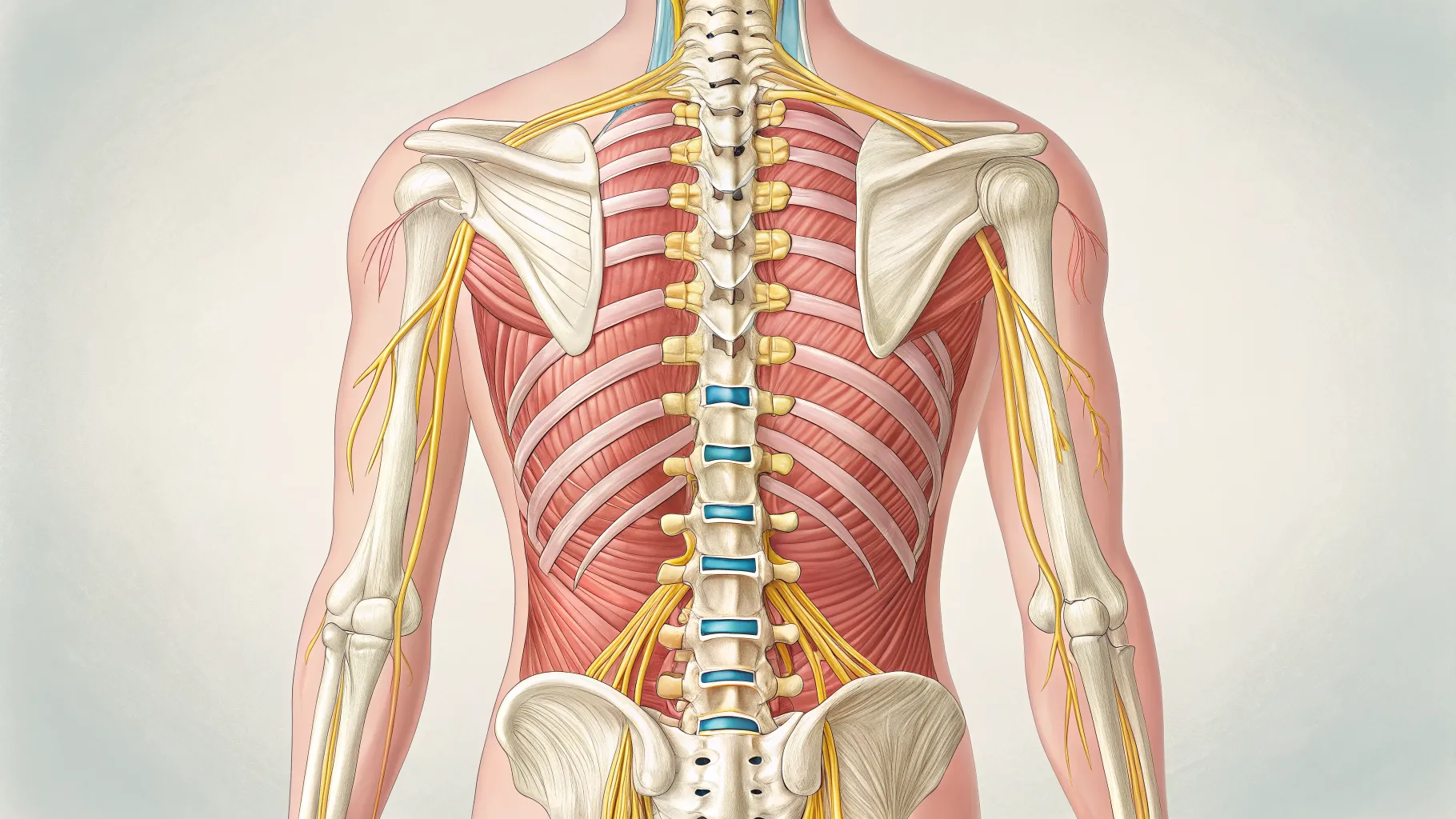
Lower back pain is one of the most common reasons people seek medical attention or miss work. It can range from a dull, constant ache to a sudden, sharp sensation that leaves you incapacitated. Understanding the root cause is the first step toward finding effective relief. The pain can stem from a wide array of sources, involving the intricate structure of bones, muscles, ligaments, and discs in your lumbar spine.
Mechanical and Muscular Issues
The most frequent culprits behind lower back pain are mechanical issues and soft tissue injuries. A lumbar muscle strain or sprain happens when muscle fibers are abnormally stretched or torn. This can occur from a sudden injury, like lifting a heavy object improperly, or from gradual overuse. When the muscles or ligaments in the lower back are strained, inflammation can occur, leading to pain and muscle spasms.
These issues are often temporary, lasting a few days to a few weeks. The pain is typically concentrated in the lower back and can feel sore to the touch. Rest, ice, and gentle stretching are common first steps for management, but chronic strain can develop if the underlying causes, such as poor body mechanics, are not addressed.
Degenerative Conditions of the Spine
As we age, the components of our spine naturally wear down, which can lead to several degenerative conditions. Degenerative disc disease is a common age-related condition where the spinal discs lose their hydration and cushioning ability. This can cause pain and may lead to other problems like herniated discs.
Another common condition is osteoarthritis of the spine, where the cartilage that cushions the facet joints breaks down, causing bones to rub against each other. This friction can lead to pain, stiffness, and the formation of bone spurs. Spinal stenosis is another age-related issue, characterized by the narrowing of the spinal canal, which can put pressure on the spinal cord and nerves.
Herniated or Ruptured Discs
Between each vertebra in your spine is a rubbery cushion called a disc. Each disc has a soft, gel-like center and a tough exterior. A herniated disc, sometimes called a slipped or ruptured disc, occurs when some of the soft center pushes out through a tear in the exterior. This can happen due to age-related wear and tear or a sudden injury.
A herniated disc in the lumbar spine can irritate nearby nerves, leading to significant pain. If the protruding disc presses on the sciatic nerve, it can cause sciatica, which is characterized by sharp, shooting pain that travels from the buttock down the back of one leg. Other symptoms may include numbness, tingling, or weakness in the affected leg or foot.
Lifestyle and Postural Triggers
Many daily habits can contribute to or worsen lower back pain. A sedentary lifestyle, particularly one that involves sitting for long periods with poor posture, puts immense pressure on the lumbar discs and can weaken back and core muscles. This makes the spine less supported and more vulnerable to injury.
Other lifestyle factors can also play a significant role. Consistently lifting heavy objects without using proper form, being overweight, and not getting enough regular exercise can all strain the back. Even choices that seem unrelated, like wearing unsupportive footwear, can alter your body's alignment and contribute to back discomfort over time.
Skeletal Irregularities
Structural problems with the spine can also be a source of chronic lower back pain. These are conditions that affect the alignment and curvature of the spinal column. One well-known example is scoliosis, a condition where the spine curves to the side. Another is kyphosis (an exaggerated outward curve) or lordosis (an exaggerated inward curve).
While minor curves may not cause any issues, significant skeletal irregularities can lead to an uneven distribution of weight on the vertebrae and discs. This imbalance can cause muscular strain, ligament stress, and eventually pain as the body tries to compensate for the abnormal curvature. These conditions are often identified during childhood or adolescence but can also develop in adults.
Underlying Medical Conditions
While less common, lower back pain can sometimes be a symptom of a more serious underlying medical issue. It's important to be aware of these possibilities, especially if the pain is severe, persistent, and accompanied by other symptoms like fever, unexplained weight loss, or problems with bladder control. These can be red flags that require immediate medical evaluation.
Some conditions that can cause back pain include spinal infections, tumors that press on the spine, and inflammatory diseases like ankylosing spondylitis, a form of arthritis that primarily affects the spine. Kidney stones or infections can also cause sharp pain in the lower back or side. Because of these possibilities, it's always wise to consult a healthcare professional for a proper diagnosis if your back pain is severe or does not improve.