Understanding the Differences Between Type 1 and Type 2 Diabetes
While many people have heard of diabetes, the specifics of its different forms can be confusing. Type 1 and Type 2 diabetes both involve problems with the hormone insulin and high blood sugar levels, but they are distinct conditions with different causes and treatment approaches. Understanding these differences is crucial for awareness and proper management of the condition.
What Is Diabetes?
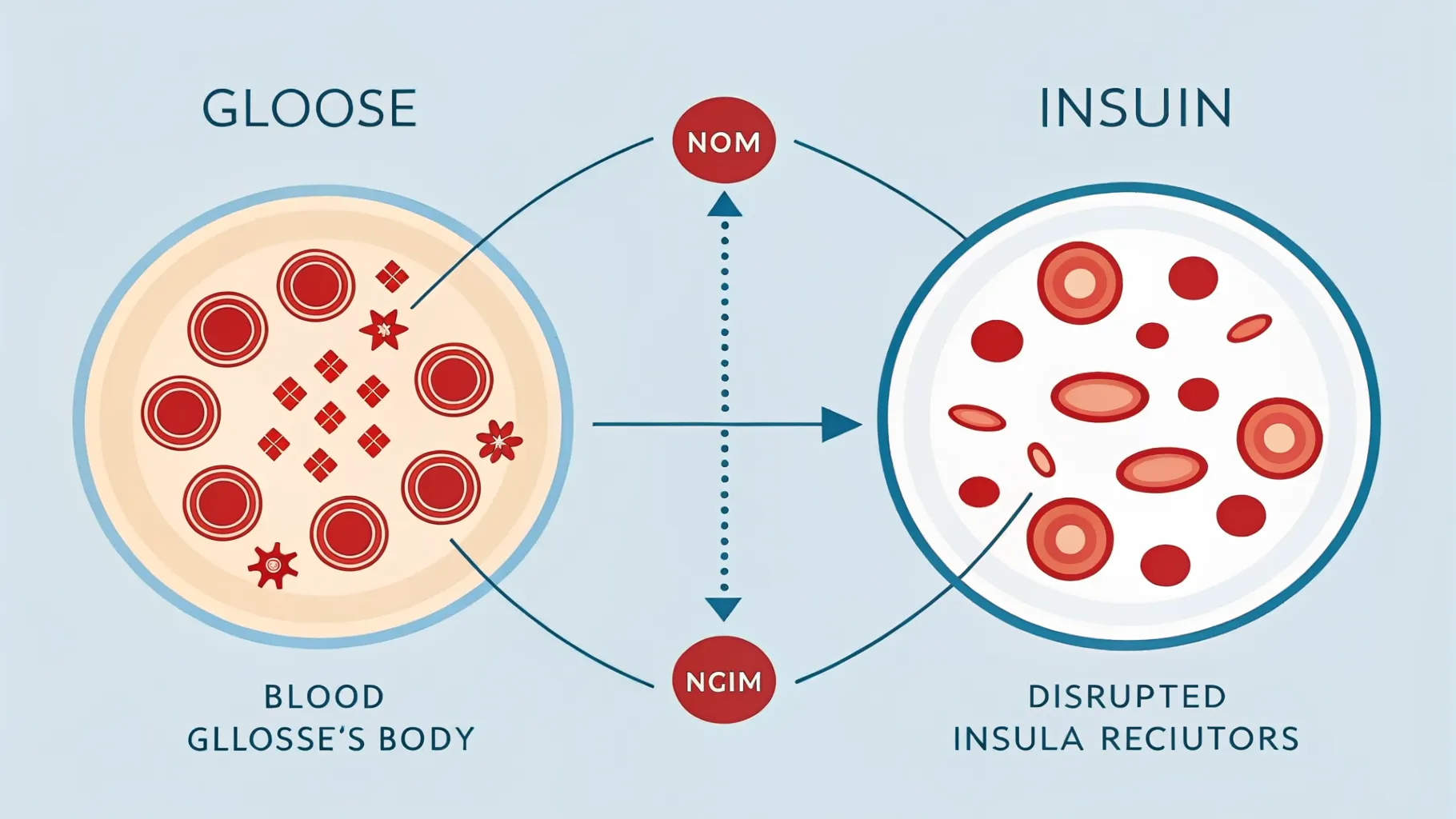
At its core, diabetes is a chronic health condition that affects how your body turns food into energy. Most of the food you eat is broken down into sugar, also called glucose, and released into your bloodstream. When your blood sugar goes up, it signals your pancreas to release insulin. Insulin acts like a key to let the blood sugar into your body’s cells for use as energy.
With diabetes, your body either doesn’t make enough insulin or can’t effectively use the insulin it does make. When there isn’t enough insulin or cells stop responding to insulin, too much blood sugar stays in your bloodstream. Over time, that can cause serious health problems, such as heart disease, vision loss, and kidney disease. The two main types, Type 1 and Type 2, represent different underlying problems with this system.
The Basics of Type 1 Diabetes
Type 1 diabetes is considered an autoimmune disease. In this condition, the body's immune system mistakenly attacks and destroys the insulin-producing cells, known as beta cells, in the pancreas. This attack leaves the body with little to no insulin. Without insulin, sugar cannot get into the cells and instead builds up in the bloodstream.
This type of diabetes is most often diagnosed in children, adolescents, and young adults, though it can develop at any age. People with Type 1 diabetes must take insulin every day to survive. This is typically done through multiple daily injections with a syringe or an insulin pen, or by using an insulin pump. The cause is thought to be a combination of genetic predisposition and environmental factors, but it is not related to diet or lifestyle.
The Basics of Type 2 Diabetes
Type 2 diabetes is the most common form of diabetes. With Type 2, the body either doesn't use insulin properly or is unable to make enough insulin to keep blood glucose at normal levels. This condition is known as insulin resistance. At first, the pancreas makes extra insulin to make up for it. But over time, it can't keep up and can't make enough insulin to maintain normal blood glucose levels.
This type of diabetes develops over many years and is usually diagnosed in adults, though it is increasingly seen in children, teens, and young adults. Risk factors are strongly linked to genetics and lifestyle. Factors that increase risk include being overweight, having a family history of Type 2 diabetes, and being physically inactive. Management often starts with lifestyle changes like diet and exercise, and may also include oral medications or, eventually, insulin.
Causes and Onset: A Tale of Two Conditions
The fundamental difference between the two types lies in their cause. Type 1 is an autoimmune reaction where the body's own defense system destroys the cells that produce insulin. The exact trigger for this autoimmune response is still not fully understood, but it is not caused by lifestyle choices. The onset of Type 1 is often sudden and the symptoms can be severe, leading to a quick diagnosis.
In contrast, Type 2 diabetes is primarily a condition of insulin resistance, compounded by a relative insulin deficiency. The body's cells don't respond effectively to insulin, and the pancreas gradually loses its ability to produce enough. This is closely linked to genetic factors but is heavily influenced by lifestyle factors like obesity and a sedentary lifestyle. The onset of Type 2 is typically gradual, and symptoms can be so mild for years that they go unnoticed.
Comparing the Symptoms
Many symptoms of Type 1 and Type 2 diabetes overlap because they are both caused by high blood sugar levels. These common symptoms can include:
- Increased thirst and frequent urination
- Increased hunger
- Unexplained weight loss
- Fatigue and irritability
- Blurred vision
- Slow-healing sores
However, the way these symptoms appear can differ significantly. In Type 1 diabetes, symptoms tend to develop rapidly over a few weeks or months and can be quite severe. This often leads to a diagnosis in an emergency setting. For Type 2 diabetes, symptoms often develop slowly over several years. They can be so mild that a person might not realize they have the condition until long-term damage has already been done.
Management and Treatment Approaches
Because the underlying causes are different, the management for each type varies. For individuals with Type 1 diabetes, treatment is centered around replacing the insulin their body can no longer produce. This means lifelong, daily insulin therapy through injections or an insulin pump. Regular blood sugar monitoring is also essential to adjust insulin doses and avoid complications.
For Type 2 diabetes, management is a more tiered approach. The initial focus is often on lifestyle modifications, including a healthy diet, regular physical activity, and weight management. If blood sugar levels remain high, oral medications are prescribed to improve insulin sensitivity or increase insulin production. For some people with Type 2 diabetes, insulin therapy may become necessary as the disease progresses.
Prevention and Risk Factors
Currently, there is no known way to prevent Type 1 diabetes. Its autoimmune nature means that it is not caused by diet or lifestyle choices, and researchers are still working to understand its triggers and find potential preventative strategies. The primary risk factors are having a parent or sibling with Type 1 diabetes.
On the other hand, Type 2 diabetes can often be prevented or delayed with healthy lifestyle changes. The risk factors are well-established and include being overweight or obese, age (45 and older), a family history of diabetes, physical inactivity, and having prediabetes. Making changes such as eating a balanced diet, getting regular exercise, and losing even a small amount of weight can significantly reduce the risk of developing Type 2 diabetes.