
Understanding the Full Dentures Cost Breakdown 2026: Your Guide to Affordable Dentures
Facts:
- Average full dentures cost varies significantly.
- Current trends indicate increasing demand for affordable dentures solutions.
Navigating the Full Dentures Cost Breakdown 2026
Understanding the intricacies of the Full Dentures Cost Breakdown 2026 is paramount for anyone considering this life-changing dental prosthetic. Many factors contribute to the overall expenditure, ranging from the type of materials used to the complexity of the dental work required. This comprehensive guide aims to demystify the various elements that influence dentures pricing, helping you make an informed decision about your oral health investment. We will explore everything from initial consultations to long-term maintenance, ensuring you have a complete picture of what to expect financially.
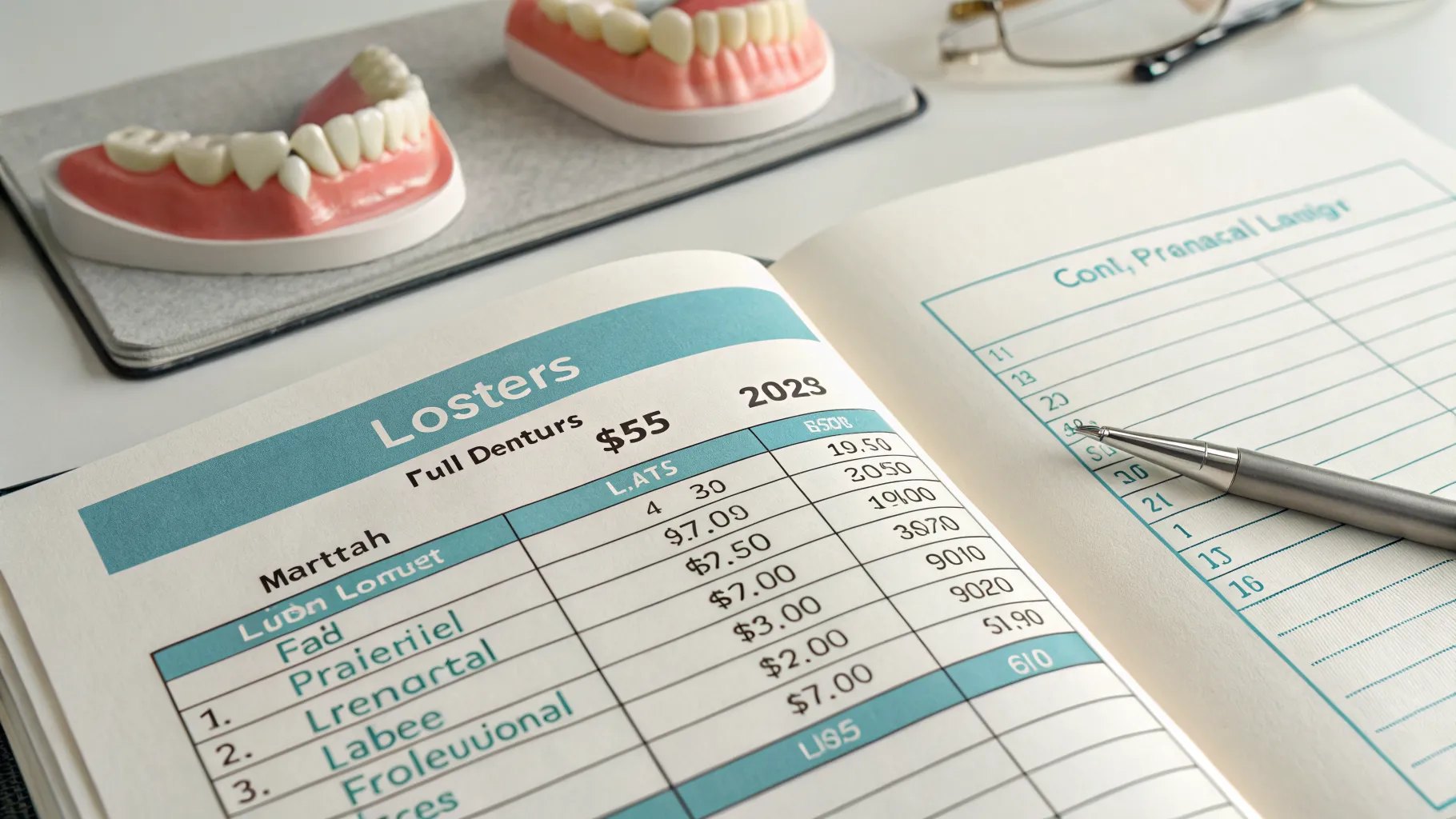
Key Factors Influencing Full Dentures Cost
The total full dentures cost is not a single, fixed number but rather a sum of several contributing factors. These elements can significantly sway the final price, making it crucial to understand each one. Material quality, the dentist's expertise, geographical location, and additional procedures all play a vital role. For instance, premium materials offer enhanced durability and aesthetics but come with a higher price tag. Conversely, basic materials might reduce the initial expenditure but could require more frequent replacements or adjustments over time. Furthermore, the complexity of your dental needs, such as the necessity for extractions or bone grafting, will also add to the overall investment in your new set of dental prosthetics.
Material Quality and Type of Dentures
One of the primary determinants of dentures pricing is the material used in their construction. Traditional full dentures are typically made from acrylic resin, which is a cost-effective and common choice. However, advancements in dental technology have introduced a range of options, including those with more durable, aesthetic, and comfortable materials like flexible resins or porcelain teeth. Flexible partial dentures, for example, often utilize a thermoplastic material that offers a more comfortable fit than traditional rigid acrylics, but this comfort usually translates into a higher price. Discussing the pros and cons of different types of dentures with your dentist will help you balance cost with desired outcomes in terms of appearance, function, and longevity.
Associated Dental Procedures and Services
Beyond the cost of the dentures themselves, several other dental procedures and services can impact the overall full dentures cost breakdown 2026. These may include initial consultations, X-rays, tooth extractions, gum preparation, and follow-up adjustments. If multiple teeth need to be removed before dentures can be fitted, the cost of these extractions will add significantly to the bill. Similarly, some patients may require bone grafting or ridge augmentation to ensure a stable foundation for their new dental prosthetics. It is essential to receive a detailed quote that itemizes all potential procedures from your dental provider to avoid unexpected expenses.
Exploring Denture Financing and Payment Options
Navigating the financial aspect of obtaining full dentures can be daunting, but numerous options exist to make the process more manageable. Understanding these avenues for denture financing is key to securing your new smile without undue financial strain. From traditional insurance to flexible payment plans, there are solutions designed to accommodate various budgets and financial situations. It's always advisable to discuss these options with your dental office's financial coordinator early in the process to clarify what choices are available to you and which might be the most beneficial.
Dental Insurance and Government Programs
Dental insurance can significantly reduce the out-of-pocket full dentures cost. Many dental plans offer partial coverage for major restorative procedures like dentures. It is crucial to review your policy details carefully to understand your deductible, co-payment, and annual maximums. Some government-assisted programs or state-specific initiatives might also provide financial aid for individuals who meet certain income or age criteria. Veterans may also find assistance through VA benefits. Investigating all available insurance and program options is a vital step in making affordable dentures a reality.
Payment Plans and Dental Loans
For individuals without comprehensive insurance coverage or those facing high out-of-pocket expenses, dental practices often offer in-house payment plans. These plans typically allow you to pay for your dental prosthetics in interest-free monthly installments. Additionally, third-party medical credit cards or personal dental loans can provide another avenue for financing. These options allow patients to receive necessary treatment immediately and pay over an extended period. Carefully compare interest rates and repayment terms to choose the most suitable denture financing solution for your circumstances, ensuring that the dentures pricing remains manageable.
Achieving Long-Term Value from Your Dentures
Investing in full dentures is a significant decision that extends beyond the initial purchase. To ensure you gain the maximum value and longevity from your dental prosthetics, proper care and regular maintenance are indispensable. Understanding the ongoing requirements for your dentures can also contribute to a more accurate long-term perspective of the Full Dentures Cost Breakdown 2026. Diligent hygiene practices, coupled with professional check-ups, will protect your investment and maintain your oral health.
Essential Denture Care and Maintenance
Maintaining the cleanliness and integrity of your dentures is critical for their durability and your oral hygiene. Daily cleaning with a non-abrasive denture cleanser and a soft-bristled brush is recommended to remove food particles and plaque. Storing dentures in water or a soaking solution when not in use helps prevent them from drying out and losing their shape. Avoiding hard, sticky foods can also extend their lifespan. Following these simple, yet crucial, care instructions will help prevent premature wear and tear, thereby minimizing future repair or replacement costs and making your full dentures cost a sound investment.
Regular Check-ups and Adjustments
Even with meticulous home care, regular dental check-ups are essential for patients with full dentures. Over time, the shape of your gums and jawbone can change, which may lead to your dentures becoming loose or ill-fitting. Your dentist can perform adjustments, relines, or rebases to ensure a proper and comfortable fit. These routine visits also allow your dentist to check for any oral health issues, such as gum disease or oral cancer, which might be masked by ill-fitting dentures. Addressing these issues promptly can prevent more extensive and costly treatments down the line, ultimately contributing to a more favorable dentures pricing experience over time.
Frequently Asked Questions
What is the average full dentures cost?
The average full dentures cost can range significantly, typically from $600 to $1,500 per arch for conventional full dentures, but can go up to $4,000 or more for premium options, including additional procedures like extractions or specialized materials. The final price depends on material quality, geographical location, and the complexity of the dental work involved.
Are there ways to get affordable dentures?
Yes, there are several ways to get affordable dentures. These include utilizing dental insurance, exploring government assistance programs, considering dental schools for lower-cost treatment, discussing in-house payment plans with your dentist, or applying for dental loans. It's important to research and compare all available options.
How often do dental prosthetics need to be replaced?
On average, dental prosthetics, including full dentures, need to be replaced every 5 to 10 years. However, this timeframe can vary based on the quality of the materials, how well they are maintained, and changes in the patient's jawbone structure. Regular dental check-ups are essential for assessing their condition and fit.
Does denture financing include all associated costs?
Denture financing typically covers the cost of the dentures themselves and often includes essential related services such as fittings and adjustments. However, it is crucial to clarify with your provider or lender whether it covers preparatory procedures like extractions, X-rays, or follow-up care. Always get a detailed breakdown of what your financing plan includes.
References
- American Dental Association
- National Institute of Dental and Craniofacial Research
- Academy of General Dentistry
- Various dental insurance provider guides
- Professional dental journals and publications