
Understanding the Most Common Types of Sleep Disorders
Good sleep is a cornerstone of health, but for many, it remains elusive. When sleep patterns are consistently disrupted, it may be due to a sleep disorder, a condition that impairs the ability to get restful sleep and can affect overall health, safety, and quality of life. Understanding the different categories of these disorders is the first step toward recognition and management.
Insomnia Disorders
Insomnia is arguably the most well-known sleep disorder, characterized by a persistent difficulty with falling asleep, staying asleep, or achieving high-quality sleep, despite having the opportunity to do so. This condition often leads to daytime fatigue, irritability, and problems with concentration. Insomnia is typically categorized based on its duration. Acute insomnia is short-term and may last for a few days or weeks, often triggered by stress or a traumatic event. Chronic insomnia, on the other hand, occurs at least three nights a week and lasts for three months or longer.
Common symptoms of insomnia extend beyond just being awake at night. Individuals might experience waking up too early and being unable to return to sleep, feeling tired upon waking, and having a general sense of unease or worry about sleep. It is not just about the quantity of sleep lost but the significant impact on the quality of life during waking hours. Management often depends on identifying the underlying causes, which can range from psychological factors to medical conditions or poor sleep habits.
Sleep Apnea
Sleep apnea is a serious sleep disorder where breathing repeatedly stops and starts during sleep. The most common form is Obstructive Sleep Apnea (OSA), which occurs when the throat muscles relax and block the airway. A less common form is Central Sleep Apnea (CSA), where the brain fails to send proper signals to the muscles that control breathing. This disruption forces the individual to wake up briefly to reopen the airway, often without their awareness, leading to fragmented and poor-quality sleep.
The hallmark sign of obstructive sleep apnea is loud snoring, though not everyone who snores has the condition. Other key indicators include episodes of gasping for air during sleep, waking up with a dry mouth, morning headaches, and significant daytime sleepiness. Because these interruptions happen many times per hour throughout the night, the body is deprived of oxygen and restorative sleep, which can contribute to serious health issues over time if left unaddressed.
Circadian Rhythm Sleep-Wake Disorders
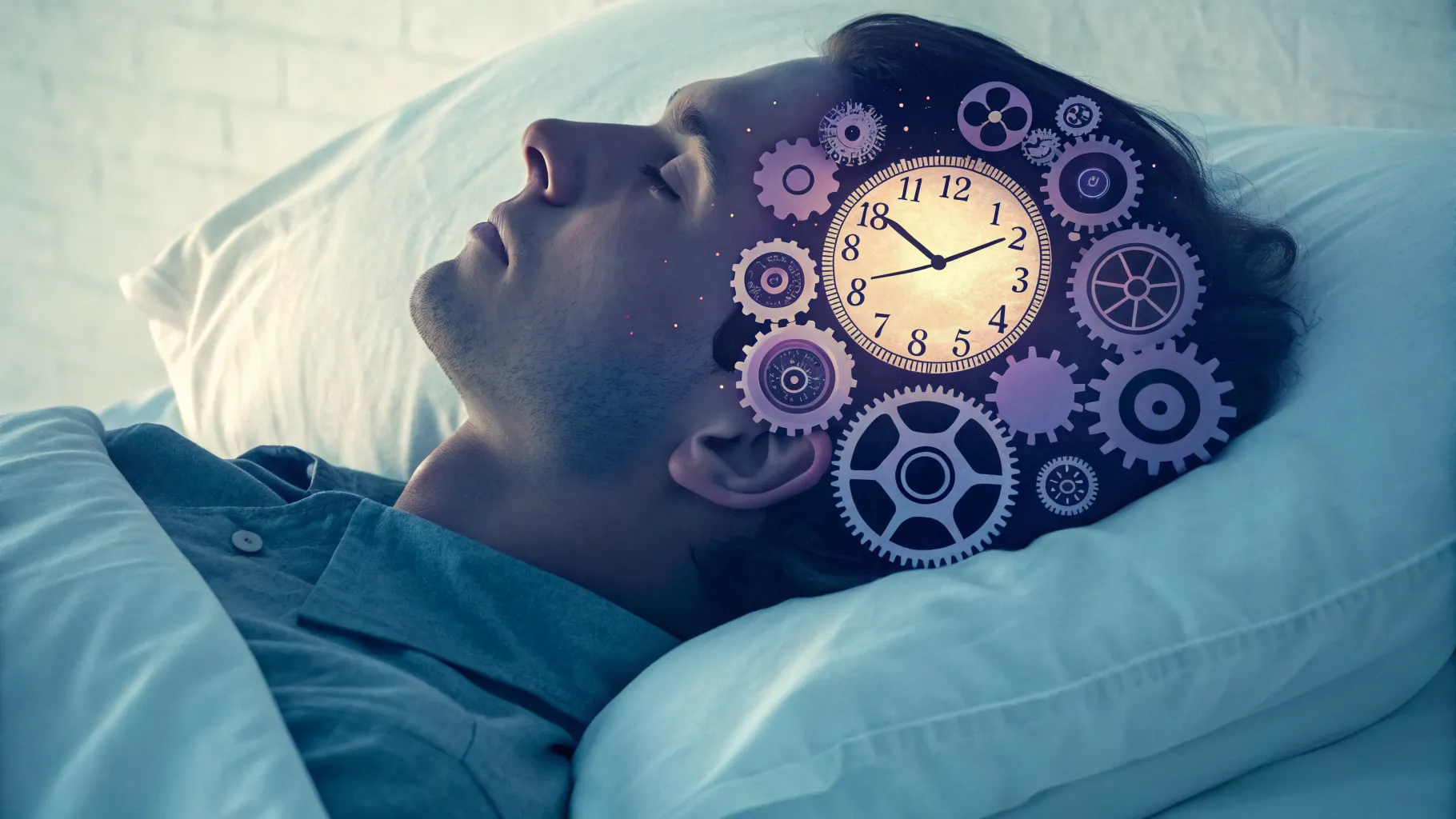
Our bodies operate on an internal 24-hour clock known as the circadian rhythm, which regulates the sleep-wake cycle. Circadian rhythm disorders occur when this internal clock is misaligned with the external environment, particularly the light-dark cycle. This misalignment makes it difficult to sleep and wake at the desired or necessary times, leading to symptoms similar to insomnia and excessive daytime sleepiness.
There are several types of circadian rhythm disorders, often influenced by lifestyle or environment. Some common examples include:
- Delayed Sleep-Wake Phase Disorder: Often seen in adolescents, this involves a sleep pattern shifted two hours or more later than conventional times, making it hard to fall asleep before the early morning hours and difficult to wake up for school or work.
- Advanced Sleep-Wake Phase Disorder: This is the opposite, where an individual feels sleepy and goes to bed very early in the evening (e.g., 6 p.m. to 9 p.m.) and wakes up very early in the morning (e.g., 2 a.m. to 5 a.m.).
- Shift Work Disorder: This affects individuals who work non-traditional hours, causing them to struggle with sleep when they have the opportunity and fight sleepiness while at work.
- Jet Lag Disorder: A temporary disorder that occurs when traveling across multiple time zones, as the body's internal clock is still synced to the original location.
Parasomnias
Parasomnias are a category of sleep disorders that involve undesirable physical events or experiences that occur while falling asleep, during sleep, or when waking up. These behaviors can be complex and may appear purposeful to an observer, but the individual often has no memory of the event. Parasomnias are generally grouped by whether they occur during non-REM or REM sleep.
Non-REM parasomnias include behaviors like sleepwalking (somnambulism), sleep terrors, and confusional arousals. These typically happen in the first third of the night during the deepest stages of sleep. REM-related parasomnias, such as REM Sleep Behavior Disorder (RBD), involve acting out vivid dreams, which can sometimes be violent. Nightmare disorder, characterized by frequent and distressing nightmares, is another common parasomnia.
Restless Legs Syndrome (RLS)
Restless Legs Syndrome (RLS), also known as Willis-Ekbom disease, is a neurological disorder characterized by an uncontrollable urge to move the legs. This urge is typically accompanied by uncomfortable sensations, often described as crawling, creeping, pulling, or itching inside the limbs. These symptoms primarily occur during periods of rest or inactivity, such as sitting or lying down, and are most severe in the evening and at night.
A defining feature of RLS is that moving the legs provides temporary relief from the unpleasant sensations. This need for constant movement can make it extremely difficult to fall asleep and stay asleep, leading to chronic sleep deprivation and fatigue. The symptoms can vary in frequency and severity, from occasional mild discomfort to a daily, debilitating problem that significantly impacts quality of life.
Hypersomnolence Disorders
Hypersomnolence disorders are a group of conditions where a person experiences excessive daytime sleepiness despite getting what should be an adequate amount of sleep. This is not just feeling tired; it is an overwhelming need to sleep that can interfere with work, school, and social activities. The sleepiness can occur at inappropriate times, such as during a conversation or a meal.
The most widely known hypersomnolence disorder is narcolepsy. Narcolepsy is characterized by severe daytime sleepiness and may include cataplexy (sudden muscle weakness triggered by strong emotion), vivid dreams, and sleep paralysis. Another condition in this category is Idiopathic Hypersomnia, where individuals experience chronic sleepiness without the features of narcolepsy like cataplexy. People with this condition may sleep for long periods at night but still not feel refreshed upon waking.