
Understanding the Price of Laser Treatment for Wrinkles: Costs, Recovery, and Results
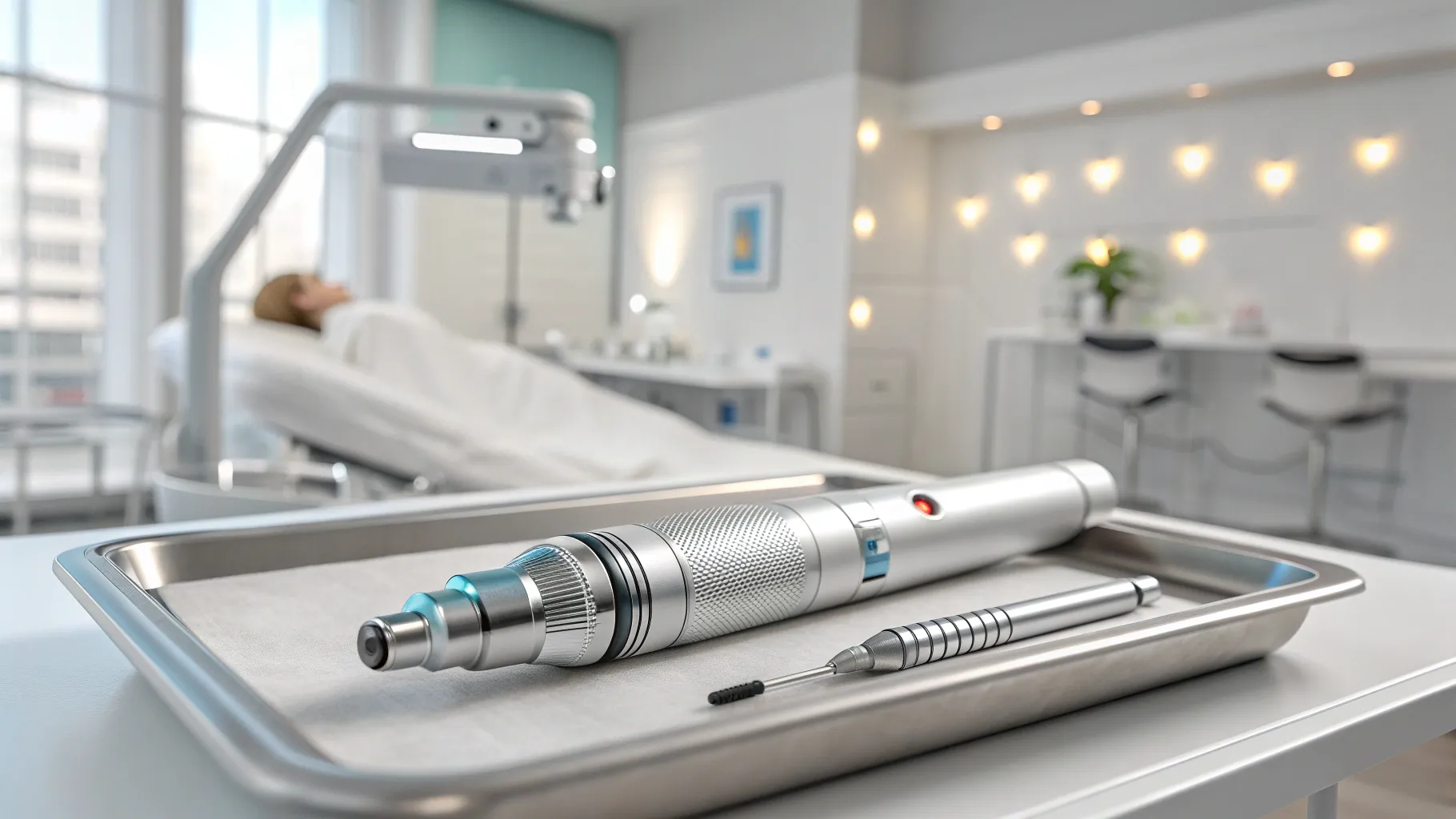
As the demand for non-invasive aesthetic procedures continues to grow, many individuals are exploring options to rejuvenate their skin and reduce the appearance of wrinkles. Laser treatment stands out as a highly effective method, but a common initial question is often about the price of Laser Treatment for Wrinkles. This article will delve into the various aspects influencing the cost, what to expect during recovery, the longevity of results, and how to find reputable providers.
The Price of Laser Treatment for Wrinkles: Factors Influencing Cost
The cost of laser treatment for wrinkles can vary significantly based on several factors, including the type of laser used, the size of the treatment area, the number of sessions required, and the geographic location of the clinic. A full-face treatment will naturally be more expensive than treating a smaller area like around the eyes or mouth. Ablative lasers, such as CO2 laser systems, which offer dramatic results, typically have a higher per-session cost than non-ablative options, though fewer sessions might be needed.
- Type of Laser: Ablative vs. Non-ablative, Fractional vs. Full field.
- Treatment Area: Face, neck, chest, hands, or specific zones.
- Number of Sessions: Often determined by the severity of wrinkles and desired outcome.
- Clinic Location and Expertise: Urban centers and highly experienced practitioners may charge more.
- Anesthesia and Post-Care: Additional costs might include topical anesthetics, oral medications, or specialized skincare products for recovery.
On average, individuals can expect a single laser resurfacing session to range from several hundred to a few thousand dollars, with complete treatment plans potentially costing more.
Understanding Recovery and Side Effects After Laser Treatment
A crucial aspect of planning for laser treatment is understanding the Recovery and Side Effects. The recovery period largely depends on the intensity of the laser used. For ablative lasers, such as advanced CO2 laser systems, downtime can range from one to three weeks, during which the skin will be red, swollen, and may ooze. Non-ablative lasers generally involve minimal downtime, often just a few days of redness.
- Common Side Effects: Redness, swelling, itching, stinging, and a feeling similar to a sunburn.
- Less Common Side Effects: Temporary hyperpigmentation or hypopigmentation, acne flare-ups, infection, or scarring (rare).
- Post-Care: Strict adherence to post-treatment care instructions, including gentle cleansing, moisturizing, and sun protection, is vital for proper healing and minimizing complications.
Proper pre-treatment consultation will provide a clear expectation of the recovery timeline and potential side effects specific to your chosen treatment.
Does it Hurt? Managing Discomfort During Laser Treatment
Many prospective patients wonder, Does it hurt? during laser treatment for wrinkles. The sensation experienced during laser resurfacing varies widely depending on the type of laser, the treatment intensity, and individual pain tolerance. For ablative lasers, a local anesthetic or nerve block is typically administered to numb the treatment area. Sedation or general anesthesia may also be offered for more extensive procedures to ensure patient comfort. Patients often describe the sensation as a rubber band snapping against the skin, or a warm, prickly feeling.
For less aggressive, non-ablative lasers, topical numbing creams are usually sufficient to manage discomfort. While some degree of discomfort is common, it is generally well-managed with various pain relief strategies, making the procedure tolerable for most individuals. Discussing pain management options with your practitioner beforehand is essential.
Results and Longevity: What to Anticipate from Laser Resurfacing
The promise of smoother, younger-looking skin makes laser treatment an attractive option. When considering Results and Longevity, it's important to have realistic expectations. Immediately after the procedure, skin will appear smoother, but the full benefits, including collagen remodeling and continued skin tightening, will become more apparent over several weeks to months as the skin heals and regenerates. For significant wrinkle reduction, especially with CO2 laser systems, results can be dramatic and long-lasting.
The longevity of results can vary from several years to a decade or more, depending on the laser type, the depth of treatment, and individual factors such as genetics, skincare regimen, and sun exposure. Maintaining a diligent skincare routine and consistent sun protection is crucial to preserve the achieved results and prevent new damage.
Exploring CO2 Laser Systems and Finding the Best Clinics Contacts
Among the various laser technologies, CO2 laser systems are renowned for their effectiveness in treating deep wrinkles, sun damage, and textural irregularities. These ablative lasers remove thin layers of skin, stimulating significant collagen production and yielding impressive rejuvenation. When considering such an advanced treatment, finding the right provider is paramount. To locate the best clinics contacts, begin by researching board-certified dermatologists or plastic surgeons with extensive experience in laser resurfacing. Look for clinics with a strong track record, positive patient reviews, and state-of-the-art equipment. A thorough consultation should include a detailed discussion of your goals, medical history, a skin assessment, and a clear explanation of the procedure, potential risks, and expected outcomes.
References:
ExampleSource1.com/laser-treatment-costs
DermReviewInfo.org/laser-recovery
AestheticJournal.net/co2-laser-benefits