
Understanding the Signs and Symptoms of a Slipped Disc
The term 'slipped disc' can sound alarming, but it's a common condition that affects many people. It occurs when one of the soft cushions of tissue between the bones in your spine pushes out. While some people may not experience any symptoms, for others, it can lead to pain, numbness, or weakness. Understanding the signs is the first step toward managing the condition effectively.
What Is a Slipped Disc?
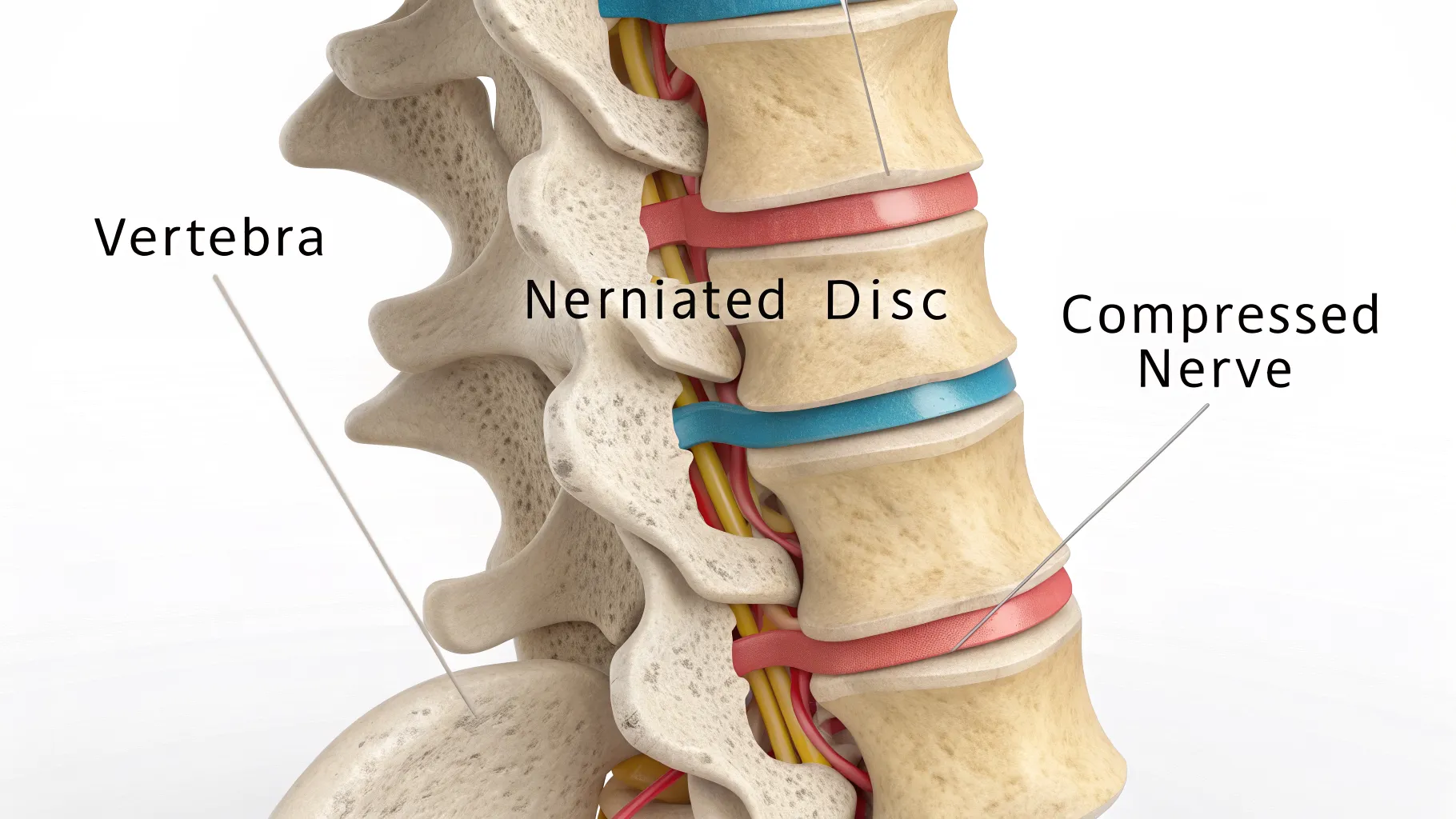
A slipped disc is more accurately known as a herniated or prolapsed disc. Your spine is made up of a series of bones called vertebrae, which are cushioned by discs. These discs are like small, jelly-filled donuts with a tougher exterior. They act as shock absorbers and allow your spine to be flexible. A herniation happens when the soft, gel-like center of a disc pushes out through a tear in its tougher exterior.
This condition most often occurs in the lower back (lumbar spine) but can also affect the neck (cervical spine). The bulging disc can press on nearby nerves, which is what causes the various symptoms associated with the condition. The causes can range from age-related wear and tear, known as disc degeneration, to injuries from lifting heavy objects improperly or sudden, jarring movements.
Pain in the Back, Arms, or Legs
One of the most common indicators of a slipped disc is pain. The location of the pain depends on which disc has herniated and which nerve it's affecting. If the problem is in your lower back, you'll likely feel an intense pain in your buttocks, thigh, and calf. This specific type of radiating pain is often referred to as sciatica because it follows the path of the sciatic nerve.
If the slipped disc is in your neck, the pain will typically be felt in your shoulder and arm. The pain is often described as sharp or burning. It might worsen with certain movements, like turning your head, bending over, or even after standing or sitting for a while. Coughing, sneezing, or laughing can also suddenly increase the pressure and intensify the pain.
Numbness and Tingling Sensations
Because a herniated disc often presses on the nerves branching out from your spinal cord, it can interfere with the signals they transmit. This can lead to sensations of numbness or tingling in the parts of the body served by those affected nerves. This feeling is medically known as paresthesia and is often described as 'pins and needles'.
For a lumbar herniated disc, you might experience numbness in your leg or foot. For a cervical herniated disc, the numbness or tingling could be felt in your shoulder, arm, or fingers. This symptom can be constant or intermittent and may accompany the pain or occur on its own. It's a clear sign that a nerve is being compressed.
Noticeable Muscle Weakness
The nerves that emerge from your spinal cord are responsible for controlling your muscles. When a slipped disc compresses these nerves, it can lead to weakness in the muscles they control. This can affect your ability to perform everyday tasks. You might find yourself stumbling, having difficulty holding onto items, or struggling to lift things.
For instance, if the affected nerve is in your lower back, you may experience weakness in your leg muscles, which could cause a condition known as 'foot drop,' making it difficult to lift the front part of your foot. If the nerve compression is in your neck, you might notice a weakened grip in one of your hands. This weakness can develop gradually or appear suddenly.
Symptoms Worsened by Specific Actions
The symptoms of a slipped disc are often dynamic, meaning they can change in intensity depending on your posture and activities. Many people find their pain and discomfort worsen after certain actions that increase pressure on the spine and the affected nerve root. These triggers often include:
- Sitting for extended periods, especially in a slouched position.
- Bending forward or twisting the waist.
- Lifting objects, even if they are not particularly heavy.
- Actions that cause a sudden jolt, such as coughing or sneezing.
Conversely, you might find some relief when lying down in a particular position, such as on your back with your knees bent, as this can take pressure off the spinal nerve. Walking or standing may sometimes feel better than sitting.
When to Seek Immediate Medical Help
While many cases of a slipped disc can be managed with conservative treatments, certain symptoms are red flags that indicate a more serious problem requiring urgent medical attention. One such condition is cauda equina syndrome, which occurs when the nerve roots at the very bottom of the spinal cord are compressed.
You should go to the emergency room immediately if you experience any of the following symptoms:
- Loss of bladder or bowel control.
- Numbness in the 'saddle' area, which includes the inner thighs, back of the legs, and the area around the rectum.
- Worsening pain, numbness, or weakness that spreads to one or both legs, making it difficult to walk or stand up.
These signs can indicate severe nerve compression that may lead to permanent paralysis or other serious complications if not treated promptly.