
Understanding the Symptoms of a Panic Attack
Panic attacks can be frightening and often occur without warning. They are sudden, intense episodes of fear or anxiety that trigger severe physical reactions, even when there is no real danger or apparent cause. Understanding the wide range of symptoms associated with a panic attack is the first step toward recognizing what is happening and seeking appropriate support.
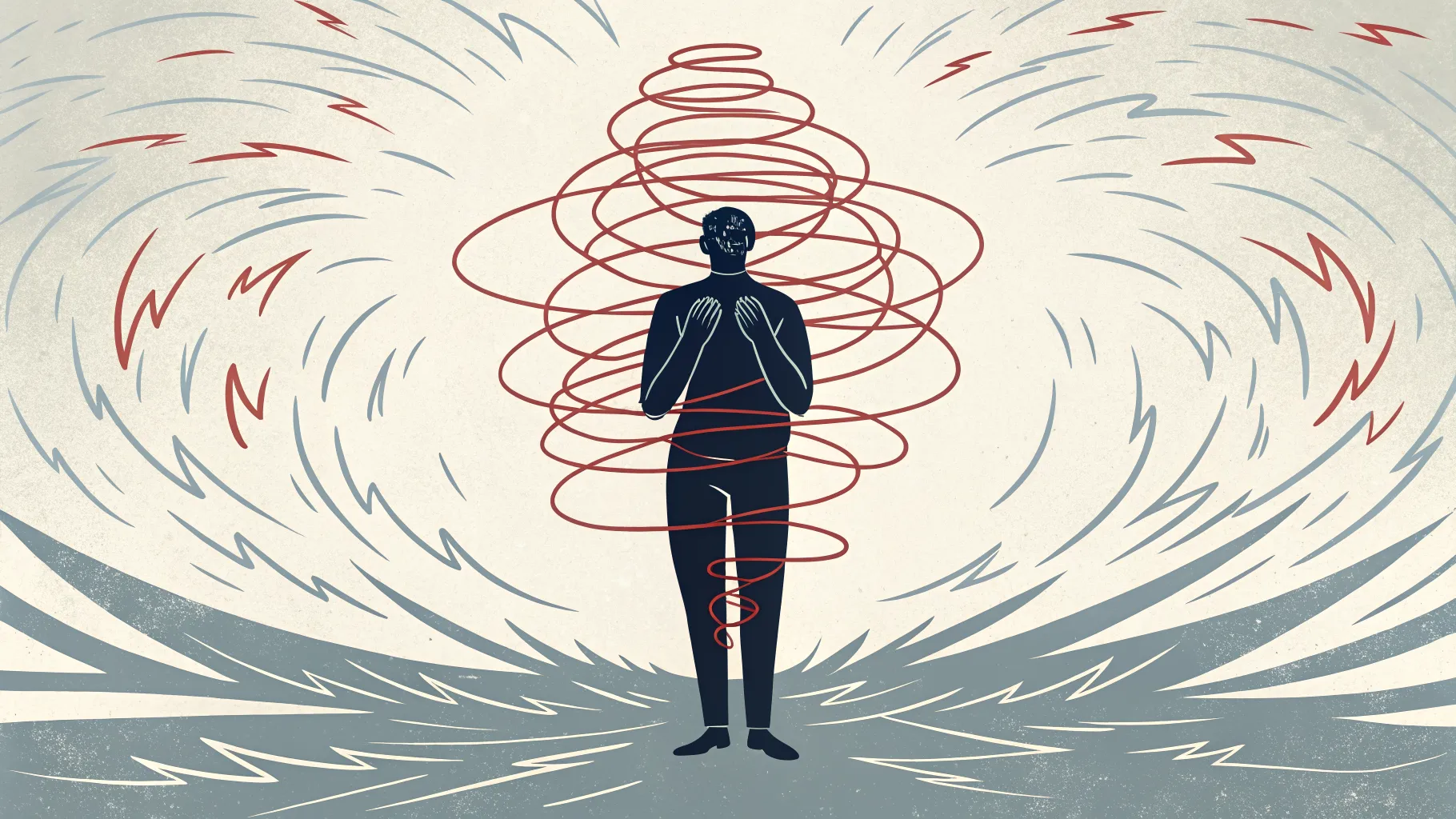
What is a Panic Attack?
A panic attack is distinct from the general feeling of anxiety. While anxiety can build gradually, a panic attack is an abrupt surge of overwhelming fear or discomfort that reaches a peak within minutes. During this time, a person experiences a combination of intense physical and psychological symptoms.
These episodes can happen anytime, anywhere, even waking someone from sleep. For some, panic attacks are a one-time occurrence, but for others, they happen repeatedly. Recurrent panic attacks can be a sign of panic disorder, a type of anxiety disorder.
Common Physical Symptoms
The physical sensations of a panic attack are often so intense that people may believe they are having a heart attack or another life-threatening medical emergency. The body's 'fight or flight' response is activated, leading to a cascade of physiological changes. Key physical symptoms include:
- Heart palpitations, a pounding heart, or an accelerated heart rate
- Sweating and chills or hot flashes
- Trembling or shaking
- Sensations of shortness of breath, smothering, or choking
- Chest pain or discomfort
- Nausea or abdominal distress
- Feeling dizzy, unsteady, lightheaded, or faint
- Numbness or tingling sensations, particularly in the hands and feet
Psychological and Cognitive Symptoms
Alongside the powerful physical symptoms, a panic attack brings a wave of distressing thoughts and feelings. These psychological symptoms can be just as debilitating and are a core part of the experience. They often revolve around a sense of losing touch with reality or facing an immediate, catastrophic threat.
Common cognitive and psychological symptoms include an intense fear of dying, a fear of losing control or 'going crazy,' and a sense of impending doom. Many people also experience derealization, which is a feeling that one's surroundings are unreal, or depersonalization, a feeling of being detached from oneself, as if observing your own actions from a distance.
The Onset and Duration of Symptoms
One of the defining features of a panic attack is its sudden onset. The symptoms typically escalate rapidly, reaching their peak intensity within about 10 minutes. This swift escalation is a primary reason why panic attacks feel so overwhelming and terrifying for the person experiencing them.
After the peak, the symptoms usually begin to subside. Most panic attacks last for 20 to 30 minutes in total, although some symptoms may linger for a longer period. It's common to feel exhausted, shaken, and drained for several hours after the main episode has passed.
Distinguishing Panic Attacks from Other Medical Conditions
Many physical symptoms of a panic attack overlap with those of serious medical conditions, most notably a heart attack. Symptoms like chest pain, shortness of breath, a racing heart, and dizziness can be signs of a cardiovascular event. This similarity is why many people who experience a panic attack for the first time seek emergency medical care.
It is crucial to get a medical evaluation to rule out other potential causes for these symptoms, especially if it is the first time you have experienced them. A healthcare professional can perform tests to ensure there isn't an underlying physical health problem and can provide an accurate diagnosis, which is an important step in managing the condition.
When to Seek Professional Guidance
While an isolated panic attack can be a distressing event, it may not necessarily require long-term treatment. However, it's advisable to consult with a doctor or mental health professional if you experience recurrent, unexpected panic attacks that cause you to live in fear of another episode.
Professional help is also recommended if the attacks are causing significant disruption to your daily life, work, or relationships. A healthcare provider can help determine if you have panic disorder or another condition and can discuss various approaches to management, including therapy and other supportive strategies.