
Understanding the Symptoms of Chronic Back Pain
Chronic back pain is defined as pain that persists for three months or longer, even after an initial injury or underlying cause has been treated. Unlike acute pain, which is a normal sensation that alerts us to possible injury, chronic pain is often more complex. Recognizing its various symptoms is the first step toward understanding the condition and finding appropriate ways to manage it.
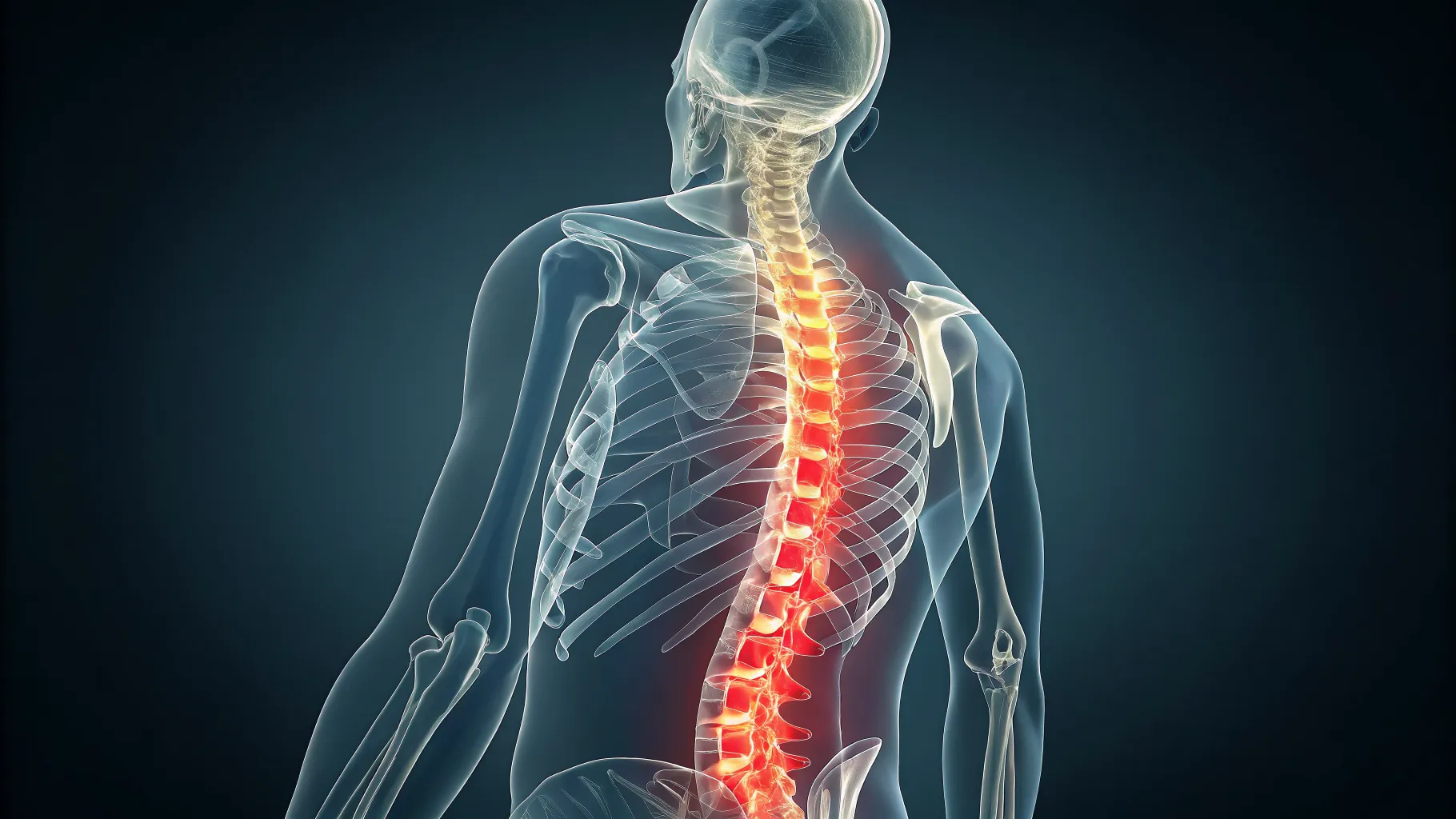
Persistent Aching and Stiffness
One of the most common symptoms of chronic back pain is a constant, dull ache along the spine. This pain might be localized to the lower back, which is the most frequently affected area, but it can also occur in the upper back or neck. The intensity can vary from a mild, annoying ache to severe, debilitating pain that interferes with daily activities.
Alongside the aching, many people experience significant stiffness. This stiffness is often most pronounced upon waking in the morning or after long periods of sitting or standing still. It can make it difficult to move, bend, or twist, and it may take some time and gentle movement to loosen up the muscles and joints.
Sharp, Shooting, or Stabbing Pain
In contrast to a dull ache, some individuals experience episodes of sharp, shooting, or stabbing pain. This type of pain can be sudden and intense, sometimes feeling like an electric shock. It may be triggered by specific movements, such as twisting, lifting something heavy, or even coughing or sneezing.
This sharp pain often indicates nerve involvement. For example, sciatica is a common condition where pain radiates from the lower back down one or both legs along the path of the sciatic nerve. This radiating pain can be a key symptom that distinguishes certain types of chronic back problems from simple muscle strain.
Pain That Worsens with Certain Activities
Chronic back pain frequently changes in intensity depending on your activity level and posture. For many, the pain worsens after prolonged periods of standing or sitting. Activities that involve bending, lifting, or twisting can also significantly aggravate the condition, leading to increased pain and discomfort.
Interestingly, while rest may provide temporary relief, too much inactivity can also be detrimental. Long periods of bed rest can lead to increased stiffness, muscle deconditioning, and ironically, more pain in the long run. Finding a balance between gentle activity and rest is often a key part of managing chronic back pain.
Numbness, Tingling, or Weakness
When chronic back pain is caused by nerve compression or damage, it can produce neurological symptoms. These are often felt in the extremities, particularly the legs and feet. You might experience sensations of numbness, tingling, or a 'pins and needles' feeling.
In more severe cases, nerve pressure can lead to muscle weakness in the legs. This might manifest as difficulty lifting the front part of your foot (foot drop) or a feeling that a leg might 'give way.' These symptoms are significant and signal that you should consult with a healthcare professional to determine the underlying cause.
Limited Range of Motion and Flexibility
Living with constant pain and stiffness naturally leads to a reduced ability to move freely. Chronic back pain can severely limit your range of motion, making everyday tasks difficult. Bending over to tie your shoes, reaching for something on a high shelf, or twisting to look behind you can become challenging and painful movements.
This loss of flexibility is often a result of the body's attempt to guard against painful movements. Over time, muscles can tighten and shorten, further restricting mobility. This creates a cycle where pain leads to less movement, and less movement leads to more stiffness and pain.
Emotional and Psychological Effects
The impact of chronic back pain extends beyond the physical symptoms. Living with constant discomfort can take a significant toll on your mental and emotional well-being. It is very common for individuals with chronic pain to experience related issues.
These can include a range of challenges. Some of the most common are:
- Sleep Disturbances: Pain can make it very difficult to find a comfortable position and stay asleep through the night.
- Fatigue: A combination of poor sleep and the constant physical stress of pain can lead to persistent exhaustion.
- Irritability and Anxiety: Dealing with limitations and discomfort day after day can lead to frustration, anxiety, and a shorter temper.
- Depression: The ongoing nature of chronic pain and its impact on one's ability to work, socialize, and enjoy hobbies can lead to feelings of hopelessness and depression.