
Understanding the Teeth Whitening Treatments for a Brighter Smile
A bright, white smile is often associated with good health and confidence. Many people seek ways to lighten the shade of their teeth, and a variety of treatments have been developed to meet this demand. Understanding the options, from what causes discoloration to how each method works, can help individuals make informed decisions about their dental care.
What Causes Tooth Discoloration?
Teeth can become discolored for several reasons, and the type of staining often influences which whitening treatment will be most effective. Stains are generally categorized as either extrinsic or intrinsic. Extrinsic stains appear on the surface of the tooth enamel. These are typically caused by consuming dark-colored foods and beverages like coffee, tea, red wine, and berries, as well as by smoking or tobacco use. Over time, these pigments accumulate and can lead to a yellow or brown appearance.
Intrinsic stains, on the other hand, occur within the tooth's inner structure, known as dentin. This type of discoloration can result from excessive fluoride exposure during childhood, trauma to a tooth, certain medications, or simply the natural aging process, which causes the enamel to thin and the yellowish dentin to show through. Intrinsic stains are generally more difficult to remove than extrinsic ones and may require more intensive professional treatment.
Professional In-Office Whitening
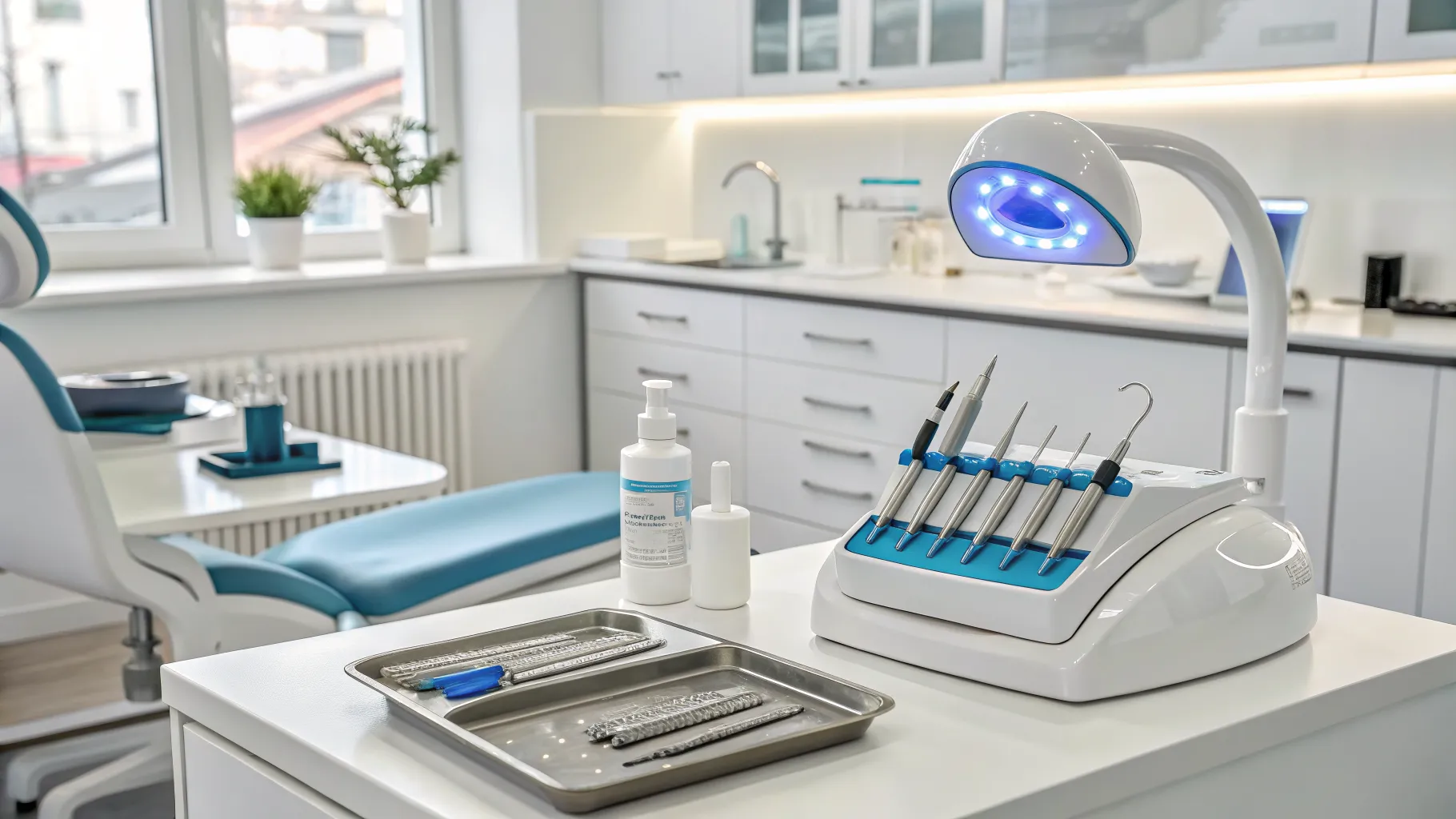
For those seeking immediate and dramatic results, professional in-office whitening is often the preferred method. This procedure is performed by a dentist or a qualified dental professional in a controlled clinical environment. It involves the application of a high-concentration whitening gel, typically containing hydrogen peroxide or carbamide peroxide as the active ingredient. The concentration is much higher than what is available in over-the-counter products, allowing for more significant shade improvement in a short period.
During the treatment, the dentist will first protect the gums and soft tissues of the mouth with a special barrier. The whitening agent is then carefully applied to the teeth. In many cases, a special light or laser is used to activate the gel, accelerating the whitening process. A typical in-office session lasts between 60 to 90 minutes, and many patients see their teeth lighten by several shades in just one visit.
Dentist-Dispensed At-Home Kits
A popular alternative to in-office procedures is the professional at-home whitening kit provided by a dentist. This method combines professional-grade materials with the convenience of at-home use. The process begins with a dental visit where the dentist takes impressions of your teeth to create custom-fitted whitening trays. These trays are designed to fit your mouth perfectly, ensuring that the whitening gel is applied evenly and kept away from the gums to minimize irritation.
The patient is given a supply of professional-strength whitening gel and instructions on how to use the trays at home. Typically, the trays are worn for a specific period each day, such as 30 minutes to an hour, over the course of one to two weeks. While the results are more gradual than an in-office treatment, this method is highly effective and often produces results comparable to a single in-office session over the full treatment period.
Over-the-Counter Whitening Options
For those looking for a more accessible and affordable option, numerous over-the-counter (OTC) whitening products are available at drugstores and supermarkets. These products contain lower concentrations of bleaching agents than professional treatments. Common OTC options include:
- Whitening Strips: These are thin, flexible plastic strips coated with a peroxide-based whitening gel. They are applied directly to the teeth and worn for a set amount of time each day, usually for two to three weeks.
- Whitening Toothpastes: Most whitening toothpastes contain mild abrasives that help polish the teeth and remove surface stains. Some may also contain low concentrations of peroxide to provide a subtle whitening effect.
- Whitening Rinses: These are mouthwashes that contain whitening agents like hydrogen peroxide. They are typically used daily to help reduce new stains and provide a minor whitening boost.
While OTC products can be effective for removing mild surface stains, they are generally less potent than professional treatments and may not produce the same level of whitening, especially for deeper stains.
Potential Side Effects and Important Considerations
Although teeth whitening is widely considered safe, some individuals may experience side effects. The most common one is tooth sensitivity, which occurs when the peroxide in the whitening agent penetrates the enamel and irritates the nerve of the tooth. This sensitivity is usually temporary and subsides shortly after the treatment is completed. Gum irritation can also occur if the whitening gel comes into contact with the gums for an extended period.
It is important to note that whitening treatments are not effective on all types of dental work. Restorations such as crowns, veneers, and fillings will not change color with whitening products. This can lead to an uneven appearance if you have these restorations on your front teeth. Individuals with gum disease, worn enamel, or cavities should consult a dentist before undergoing any whitening procedure, as these conditions may need to be addressed first.
Maintaining Your Whiter Smile
After achieving a desired shade, the next step is to maintain the results. The longevity of a whitening treatment depends largely on lifestyle and oral hygiene habits. To keep your smile bright for as long as possible, it is advisable to limit your consumption of staining foods and beverages. If you do consume them, rinsing your mouth with water afterward or drinking through a straw can help minimize contact with your teeth.
Consistent and thorough oral hygiene is also crucial. Brushing your teeth at least twice a day, flossing daily, and attending regular dental checkups and cleanings will help prevent the buildup of new stains. Using a whitening toothpaste occasionally can also help manage surface stains between more intensive treatments. By following these practices, you can help prolong the effects of your whitening treatment and enjoy a brighter smile for months or even years.