Understanding Your Sleep Apnea Treatment Options
Living with sleep apnea can be challenging, affecting not just your sleep but your overall health and quality of life. Fortunately, a wide range of effective treatments exists to help manage the condition, restore restful sleep, and reduce associated health risks. The right treatment depends on the type and severity of your sleep apnea, your physical health, and personal preferences. Understanding the available options is the first step toward finding a solution that works for you.
Identifying the Types of Sleep Apnea
Before exploring treatments, it's important to understand what kind of sleep apnea you have, as this will guide the therapeutic approach. A doctor or sleep specialist will perform tests, often an overnight sleep study called a polysomnogram, to make a diagnosis and determine the type and severity.
The three main types of sleep apnea are:
- Obstructive Sleep Apnea (OSA): This is the most common form. It occurs when the throat muscles relax excessively during sleep, physically blocking the airway and causing breathing to stop and start.
- Central Sleep Apnea (CSA): This type is less common and happens when the brain fails to send the proper signals to the muscles that control breathing. There is no physical blockage, but breathing still pauses.
- Complex (or Mixed) Sleep Apnea Syndrome: This is a combination of both obstructive and central sleep apnea. A person with this condition experiences features of both types.
Lifestyle Modifications for Milder Cases
For individuals with mild obstructive sleep apnea, lifestyle changes can sometimes be enough to resolve the issue or significantly reduce symptoms. These modifications are often recommended as the first line of defense or in conjunction with other therapies for more severe cases. They focus on reducing factors that can contribute to airway collapse.
Key lifestyle adjustments include weight management, as excess weight is a major risk factor for OSA. Regular exercise, even without significant weight loss, can also improve sleep apnea symptoms. Other helpful changes include sleeping on your side instead of your back, avoiding alcohol and sedatives before bedtime (as they can relax throat muscles), and quitting smoking, which can worsen airway inflammation.
Continuous Positive Airway Pressure (CPAP) Therapy
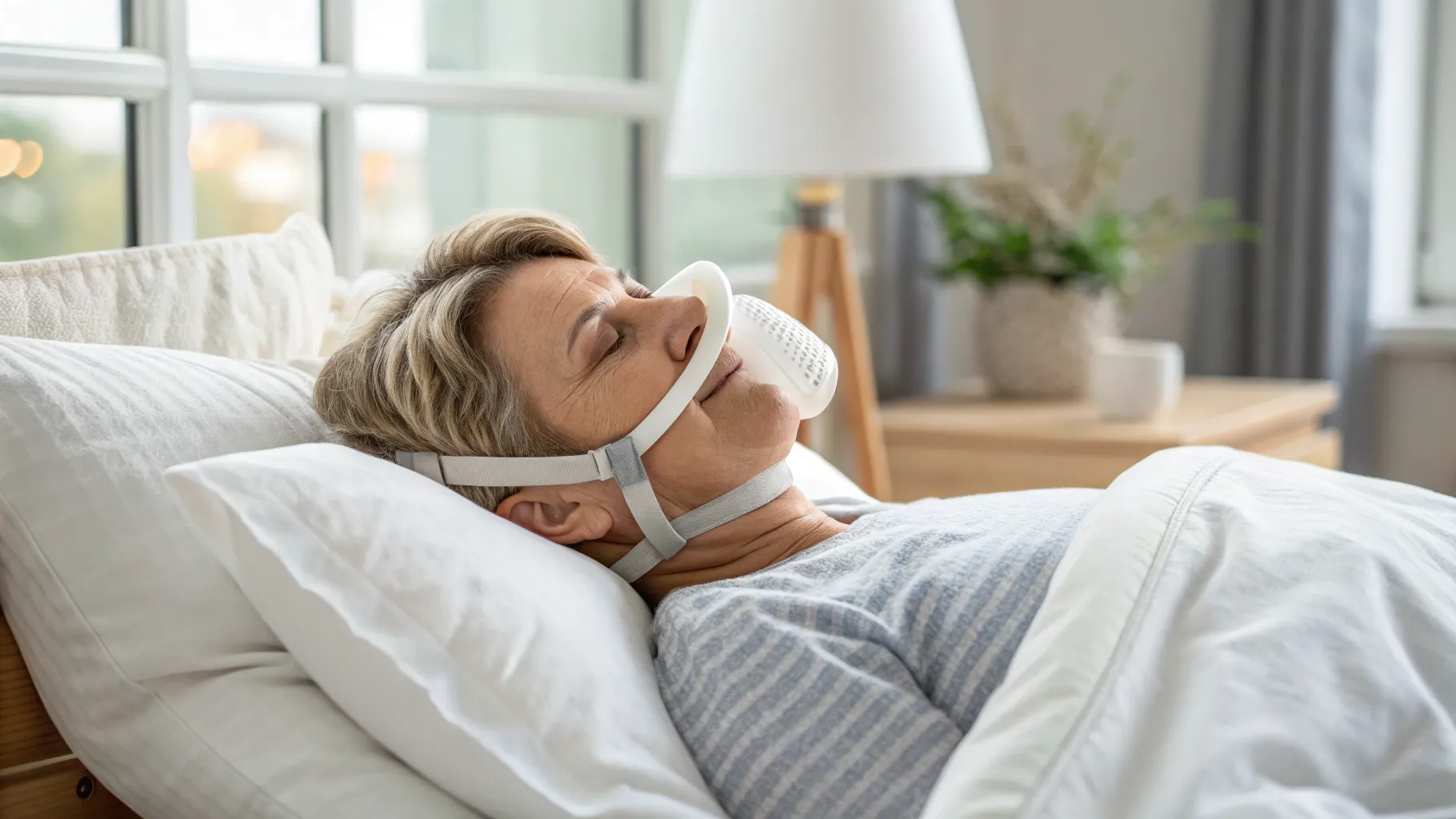
CPAP therapy is the gold standard and most common treatment for moderate to severe obstructive sleep apnea. A CPAP machine delivers a constant stream of pressurized air through a mask worn over the nose, mouth, or both. This continuous airflow acts as a splint, keeping the upper airway open and preventing the pauses in breathing characteristic of sleep apnea.
While highly effective, some people find CPAP machines uncomfortable or cumbersome at first. Modern machines are quieter and more compact than older models, and a variety of mask styles are available to improve comfort and fit. Working with a sleep specialist to find the right mask and pressure settings is crucial for successful therapy. Consistent use is key to experiencing the full benefits, which include improved sleep quality, reduced daytime sleepiness, and lower blood pressure.
Oral Appliances and Dental Devices
For those with mild to moderate OSA who cannot tolerate CPAP, oral appliances are a popular alternative. These devices, which look similar to a sports mouthguard or orthodontic retainer, are custom-fitted by a dentist or orthodontist with expertise in sleep medicine. They work by repositioning the jaw or tongue to keep the airway open during sleep.
The most common type is the Mandibular Advancement Device (MAD), which gently pushes the lower jaw forward and slightly down. This movement tightens the soft tissues and muscles of the upper airway, preventing obstruction. Another type is a tongue-retaining device, which uses suction to hold the tongue in a forward position. Oral appliances are portable, silent, and easy to use, making them a convenient option for many people.
Surgical Interventions for Sleep Apnea
Surgery is typically considered a last resort when other treatments have failed or are not suitable. The goal of surgery is to physically alter and enlarge the airway. The specific procedure depends on the location and nature of the obstruction. It's important to discuss the potential risks and benefits thoroughly with a surgeon, as success rates can vary.
Common surgical options include Uvulopalatopharyngoplasty (UPPP), which removes excess tissue from the soft palate and pharynx. Maxillomandibular advancement surgery moves the upper and lower jaws forward to create more space behind the tongue. Other procedures might involve removing tonsils and adenoids, reducing the size of the tongue, or implanting stiffening rods into the soft palate.
Advanced and Emerging Therapies
For individuals who haven't found success with traditional treatments, newer technologies offer promising alternatives. One of the most significant advancements is hypoglossal nerve stimulation. This involves implanting a small device, similar to a pacemaker, that monitors breathing patterns during sleep.
When the device detects a pause in breathing, it sends a mild electrical impulse to the hypoglossal nerve, which controls tongue movement. This stimulation causes the tongue to move forward, opening the airway without waking the person up. This therapy is an option for certain patients with moderate to severe OSA who are unable to use CPAP therapy, and it represents a significant step forward in personalized sleep apnea treatment.