
Unlock Wellness: The Profound Benefits of Hijama Therapy for Holistic Health
Facts:
- Hijama therapy dates back thousands of years.
- Increasing trend in holistic wellness treatment for chronic conditions.
Exploring the Holistic Advantages of Traditional Hijama Therapy
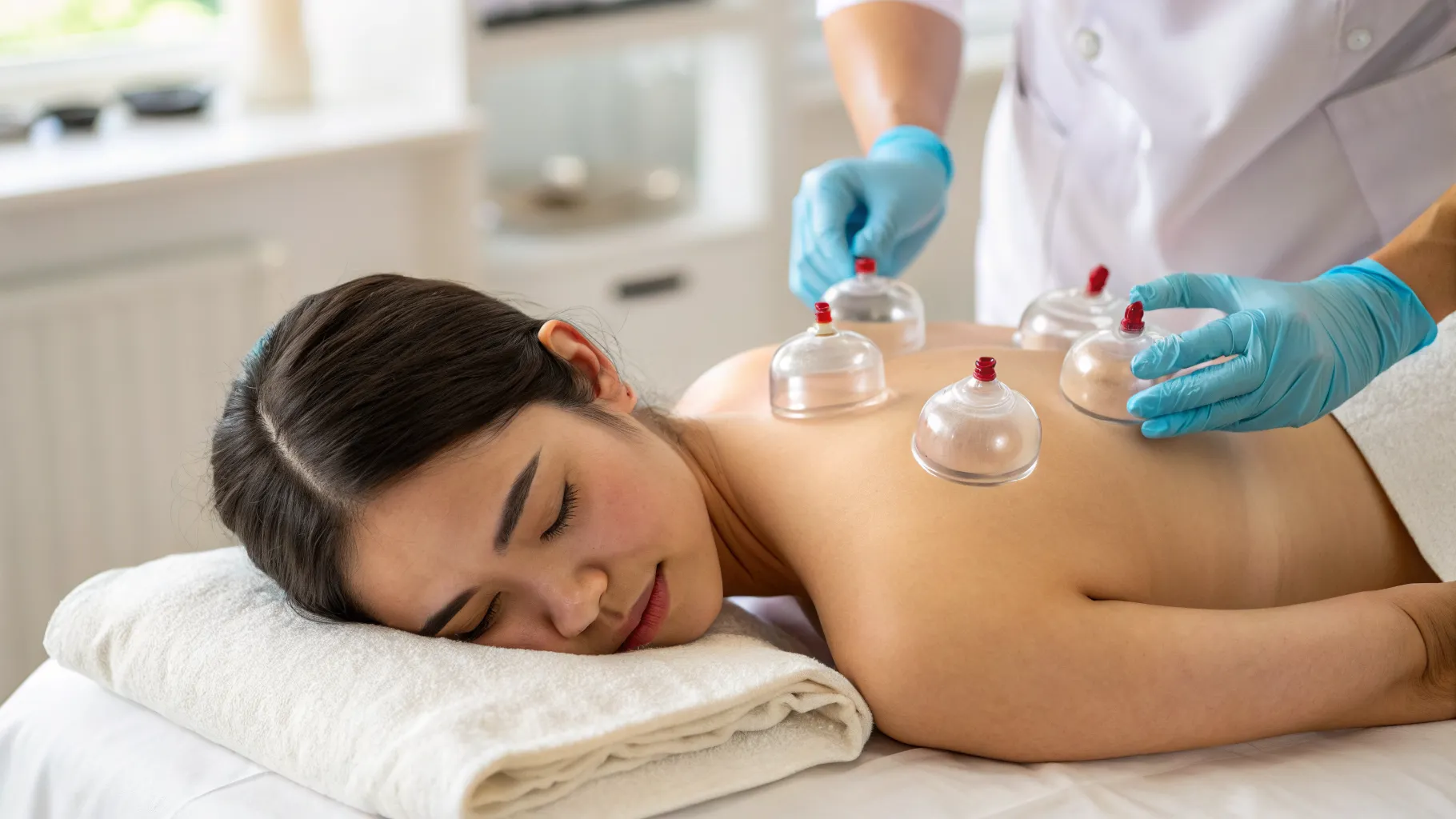
In the realm of holistic health, Hijama therapy, also known as wet cupping, stands out as an ancient practice revered for its wide array of therapeutic advantages. This traditional form of wellness treatment involves creating localized suction on the skin, often combined with minor incisions, to draw out stagnant blood and toxins. Its roots trace back to various ancient civilizations, including Egyptian, Chinese, and Middle Eastern cultures, where it was utilized to restore balance and promote healing within the body. Today, a growing number of individuals are rediscovering the profound potential of cupping therapy benefits as a complementary approach to modern medicine, seeking natural ways to alleviate pain, reduce inflammation, and enhance overall well-being. Understanding the mechanism and widespread applications of this practice is crucial for appreciating its enduring relevance in contemporary health paradigms, especially as people increasingly seek natural solutions for health management and detoxification.
Understanding the Mechanism Behind Hijama's Efficacy
The therapeutic efficacy of Hijama therapy is rooted in several physiological principles. The suction created by the cups draws stagnant blood and metabolic waste products to the surface, where small superficial incisions allow for their removal. This process is believed to stimulate the peripheral nervous system, enhance local blood circulation, and trigger a natural healing response within the body. By removing toxins and promoting fresh blood flow, Hijama can aid in cellular regeneration and tissue repair. Furthermore, the localized trauma induced by the procedure encourages the body to release endorphins, which are natural painkillers, contributing to the significant pain relief reported by many patients. This multifaceted mechanism underscores why Hijama therapy is considered a powerful tool in traditional medicine for addressing a wide range of ailments and promoting systemic balance, making its cupping therapy benefits widely sought after for those pursuing a holistic path to wellness.
Key Benefits of Hijama Therapy for Modern Health
Pain Relief and Muscle Relaxation
One of the most widely acknowledged benefits of Hijama therapy is its effectiveness in providing natural pain relief. The suction from the cups, particularly in areas of chronic muscle tension or injury, helps to decompress tissues and release myofascial restrictions. This action significantly reduces stiffness and promotes deep muscle relaxation. Individuals suffering from conditions such as back pain, neck pain, headaches, migraines, and fibromyalgia often report substantial improvement after sessions. By targeting specific pain points and improving circulation to the affected areas, Hijama therapy facilitates the removal of lactic acid and other pain-inducing metabolites, allowing for a more comfortable and mobile state. This makes it an invaluable addition to a comprehensive pain management strategy, offering a non-pharmacological route to comfort.
Enhanced Blood Circulation and Detoxification
Hijama therapy is exceptionally effective at enhancing blood circulation throughout the body. The localized suction and subsequent removal of stagnant blood encourage the body to produce fresh, oxygenated blood, which is vital for optimal organ function and tissue health. This improved blood flow helps in delivering essential nutrients and oxygen to cells more efficiently. Simultaneously, the practice is a potent method for detoxification, as it aids in extracting accumulated toxins, heavy metals, and inflammatory substances from the body. By clearing these harmful elements, Hijama supports the liver and kidneys in their natural detoxification processes, leading to improved overall systemic health and vitality. The cleansing effect is often felt as an immediate sense of lightness and renewed energy.
Immune System Boost
The stimulation of the body’s healing mechanisms during Hijama therapy extends to strengthening the immune system. By promoting better blood circulation and assisting in the removal of waste products, Hijama helps the immune cells to function more effectively. It is believed to activate the lymphatic system, which plays a critical role in filtering waste and combating infections. Regular sessions can bolster the body's natural defenses, making it more resilient against various pathogens and diseases. This boost to the immune response contributes to a reduction in the frequency and severity of common illnesses, positioning Hijama therapy as a preventive as well as a curative wellness treatment.
Stress Reduction and Mental Clarity
Beyond its physical attributes, Hijama therapy also offers significant psychological benefits, primarily through stress reduction. The gentle yet powerful sensation of the cups, combined with the physiological release of endorphins, induces a state of deep relaxation during and after the treatment. Many individuals report feeling a profound sense of calm, tranquility, and improved mental clarity following a session. This reduction in stress and anxiety can lead to better sleep quality, enhanced mood, and improved focus. As a holistic practice, Hijama addresses the interconnectedness of mind and body, providing a therapeutic experience that nurtures mental well-being alongside physical health, making it an excellent choice for combating the pressures of modern life.
Improved Digestive Health
Digestive issues are a common complaint in contemporary society, and Hijama therapy can play a beneficial role in addressing them. By applying cups to specific points on the abdomen or back corresponding to digestive organs, the therapy can stimulate peristalsis, enhance nutrient absorption, and alleviate symptoms such as bloating, constipation, and irritable bowel syndrome (IBS). The improved blood flow to the digestive tract helps in its optimal functioning and contributes to a healthier gut microbiome. This targeted approach of traditional medicine provides a gentle yet effective way to support the digestive system, fostering better overall gut health and alleviating discomfort, which are crucial cupping therapy benefits often overlooked.
Skin Health and Anti-Inflammatory Effects
The aesthetic and dermatological benefits of Hijama therapy are increasingly recognized. By enhancing blood circulation and facilitating detoxification, Hijama can contribute to clearer, healthier skin. Improved blood flow brings vital nutrients and oxygen to skin cells, aiding in regeneration and repair, while the removal of toxins can reduce inflammatory conditions like acne, eczema, and psoriasis. Furthermore, the anti-inflammatory effects of Hijama extend beyond skin conditions, helping to reduce systemic inflammation throughout the body. This broad anti-inflammatory action is crucial for managing chronic diseases and promoting overall tissue health, making Hijama therapy a truly comprehensive wellness treatment.
Who Can Benefit from Hijama Therapy?
A wide range of individuals can experience the profound cupping therapy benefits of Hijama therapy. It is particularly beneficial for those suffering from chronic pain conditions such as back pain, neck stiffness, and headaches, offering a natural alternative to conventional pain management strategies. Athletes often seek Hijama for muscle recovery, reducing soreness, and preventing injuries. Individuals experiencing fatigue, low energy levels, or those looking for a natural detoxification method can also benefit significantly. Furthermore, people struggling with digestive issues, stress, anxiety, or compromised immune function may find relief and improvement through regular sessions. However, it is important to note that certain conditions, such as severe anemia, bleeding disorders, or pregnancy, may contraindicate the therapy, emphasizing the importance of consulting a qualified practitioner to ensure suitability and safety for this traditional medicine practice.
Integrating Hijama into Your Wellness Journey
Consult with a Qualified Practitioner:
Before undergoing Hijama therapy, it is paramount to consult with a certified and experienced practitioner. They can assess your individual health condition, discuss any underlying medical issues, and determine the most appropriate treatment plan tailored to your needs. This initial consultation ensures safety and optimizes the therapeutic outcomes of this traditional wellness treatment.
Prepare for Your Session:
To maximize the benefits of Hijama therapy, it is often recommended to fast or have a light meal a few hours before the session. Hydration is also key. Inform your practitioner about any medications you are taking or any recent health changes to ensure a safe and effective experience. Proper preparation contributes significantly to the overall effectiveness of the detoxification process.
Follow Post-Treatment Care:
After a session, practitioners typically advise resting and avoiding strenuous activities for 24-48 hours. It's crucial to keep the treated areas clean and dry to prevent infection. You might notice temporary marks on your skin, which are normal and usually fade within a few days to a week. Adhering to post-treatment instructions helps to consolidate the cupping therapy benefits and supports the body's healing.
Maintain a Healthy Lifestyle:
While Hijama therapy offers significant advantages, its benefits are amplified when integrated into a broader healthy lifestyle. This includes maintaining a balanced diet, engaging in regular physical activity, ensuring adequate sleep, and managing stress effectively. Combining Hijama with these practices creates a synergistic approach to holistic well-being, enhancing immune system function and promoting long-term health.
Frequently Asked Questions
Is Hijama therapy painful?
While the sensation of suction might feel strange or slightly uncomfortable for some, Hijama therapy is generally not considered painful. The process involves creating a vacuum on the skin, and any minor incisions are usually superficial, resulting in minimal discomfort. Many individuals describe the experience as a relieving pressure rather than pain, especially when seeking pain relief for chronic conditions.
How often should one undergo Hijama therapy?
The frequency of Hijama therapy sessions varies depending on individual health conditions, the severity of symptoms, and the desired outcomes. Some individuals may benefit from monthly sessions for general wellness and detoxification, while others with chronic issues might require more frequent initial treatments. A qualified practitioner will recommend a personalized treatment plan based on your specific needs to optimize the cupping therapy benefits.
Are there any side effects of Hijama therapy?
Generally, Hijama therapy is considered safe when performed by a trained and certified practitioner. Common side effects include temporary marks or bruises on the skin, which typically fade within a few days. In rare cases, minor infections or scarring can occur if proper hygiene protocols are not followed. It is crucial to choose a reputable clinic that adheres to strict sterilization standards to minimize any risks and ensure the full range of wellness treatment benefits.
References
- The practice of Hijama (wet cupping) in light of modern medicine.
- Therapeutic Efficacy of Cupping Therapy in Pain Management.
- Ancient Egyptian and Traditional Chinese Medicine perspectives on therapeutic cupping.