
Unpacking the Physical Symptoms of Anxiety
Anxiety is more than just a feeling of worry or fear; it's a complex response that involves both the mind and the body. The physical sensations of anxiety can be intense and sometimes frightening, leading individuals to believe they are experiencing a serious medical emergency. Understanding these symptoms is the first step toward managing them and recognizing them as a part of the body's natural, albeit overactive, stress response.
The 'Fight-or-Flight' Response Explained
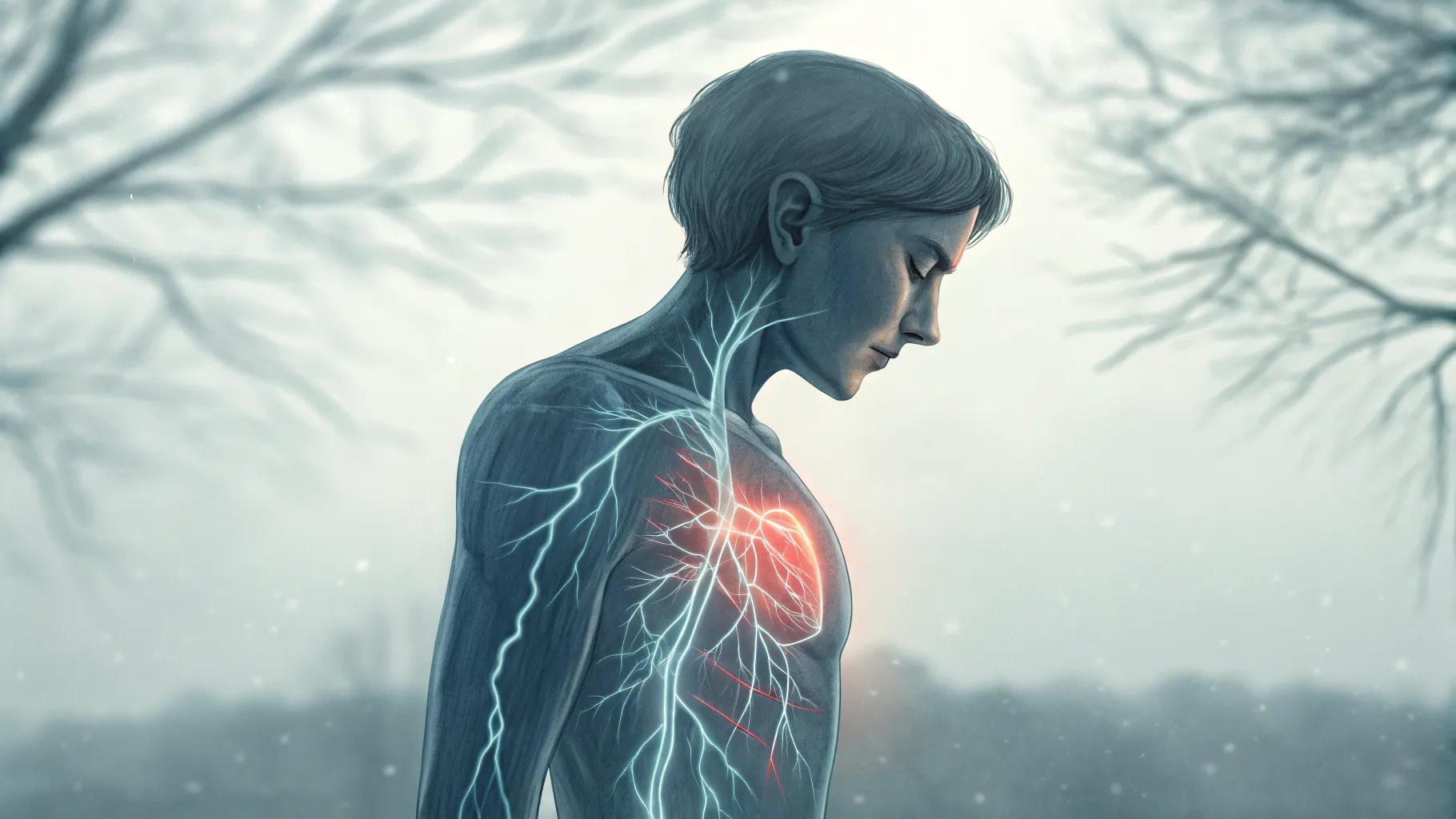
Many physical anxiety symptoms are rooted in the body’s 'fight-or-flight' response. This is an automatic physiological reaction to an event that is perceived as stressful or frightening. When triggered, the adrenal glands release hormones like adrenaline and cortisol. These hormones prepare the body for immediate action by increasing heart rate, blood pressure, and breathing rate.
In people with anxiety disorders, this response can be triggered by situations that are not actually life-threatening. The body goes on high alert, but with no physical threat to fight or flee from, the energy and readiness have nowhere to go. This sustained state of arousal leads to a wide range of uncomfortable and persistent physical symptoms that can interfere with daily life.
Cardiovascular and Respiratory Symptoms
The cardiovascular and respiratory systems are often the first to react during an anxiety response. The surge of adrenaline can cause the heart to beat faster and more forcefully, leading to a sensation known as heart palpitations. You might feel like your heart is pounding, fluttering, or skipping beats. This is often accompanied by an increase in blood pressure.
Breathing can also become rapid and shallow, a condition called hyperventilation. This can lead to a feeling of breathlessness or being unable to get enough air. Other related symptoms include:
- Chest tightness or pain
- A feeling of choking or smothering
- Frequent sighing or yawning
- Dizziness due to changes in blood oxygen and carbon dioxide levels
Neurological and Sensory Effects
Anxiety significantly impacts the central nervous system, which can cause a variety of neurological and sensory symptoms. One common complaint is dizziness or lightheadedness, which can create a feeling of unsteadiness. Headaches, particularly tension headaches, are also frequently associated with chronic anxiety due to persistent muscle tension in the neck, shoulders, and scalp.
Many people also experience paresthesia, which is a sensation of tingling or numbness, often in the hands, feet, or face. This is typically caused by changes in breathing patterns that affect blood flow and nerve function. Additionally, the senses can become heightened, making you more sensitive to light, sound, and other environmental stimuli, which can feel overwhelming.
Gastrointestinal and Digestive Upset
The brain and the gut are closely linked, often referred to as the brain-gut axis. When you feel anxious, stress hormones can disrupt the delicate balance of your digestive system. This can lead to a host of uncomfortable gastrointestinal issues. Nausea, stomach cramps, and a 'butterflies' sensation are very common during acute moments of anxiety.
For those with chronic anxiety, digestive problems can become more persistent. Symptoms can include indigestion, bloating, gas, diarrhea, or constipation. Over time, chronic stress can exacerbate conditions like Irritable Bowel Syndrome (IBS) and acid reflux, creating a cycle where digestive distress and anxiety can worsen one another.
Muscle Tension and Skin Reactions
When you're anxious, your muscles tense up as part of the fight-or-flight response. If the anxiety is ongoing, this muscle tension can become chronic, leading to persistent aches and pains, stiffness, and soreness, especially in the neck, back, and shoulders. Some people may also experience trembling, shaking, or muscle twitches that they cannot control.
The skin can also react to stress and anxiety. Increased sweating is a very common physical symptom, particularly on the palms, feet, and underarms. Some individuals may experience skin flare-ups, such as hives, rashes, or exacerbations of pre-existing conditions like eczema or psoriasis. This is because stress hormones can affect immune function and increase inflammation in the body.
Long-Term Impacts on Physical Health
Living with chronic anxiety can take a toll on your overall physical health over the long term. The constant state of high alert and the circulation of stress hormones can weaken the immune system, making you more susceptible to infections and illnesses. Chronic fatigue is also common, as the body and mind are constantly exhausted from being in a state of hyperarousal.
Prolonged anxiety can also contribute to more serious health problems. The sustained increase in heart rate and blood pressure can put a strain on the cardiovascular system, potentially increasing the risk of heart conditions over time. It's a clear demonstration of how mental well-being is intrinsically linked to physical health, highlighting the importance of addressing anxiety for both mind and body.