Vaginoplasty: Understanding Reconstructive Pelvic Surgery
Fast Facts:
- Enhanced Quality of Life: Improved comfort and confidence.
- Trending for individuals seeking anatomical and functional restoration.
Exploring Vaginoplasty: The Procedure Explained
Vaginoplasty, often referred to as vaginal reconstructive surgery, is a medical procedure performed for a variety of reasons, ranging from cosmetic enhancements to functional restoration. For many, understanding reconstructive pelvic surgery is the first step toward making an informed decision about this life-changing intervention. It involves reshaping the vaginal canal and its surrounding structures to address concerns related to laxity, trauma, or congenital conditions. This comprehensive guide aims to demystify the process, offering clarity on what to expect before, during, and after a vaginoplasty.
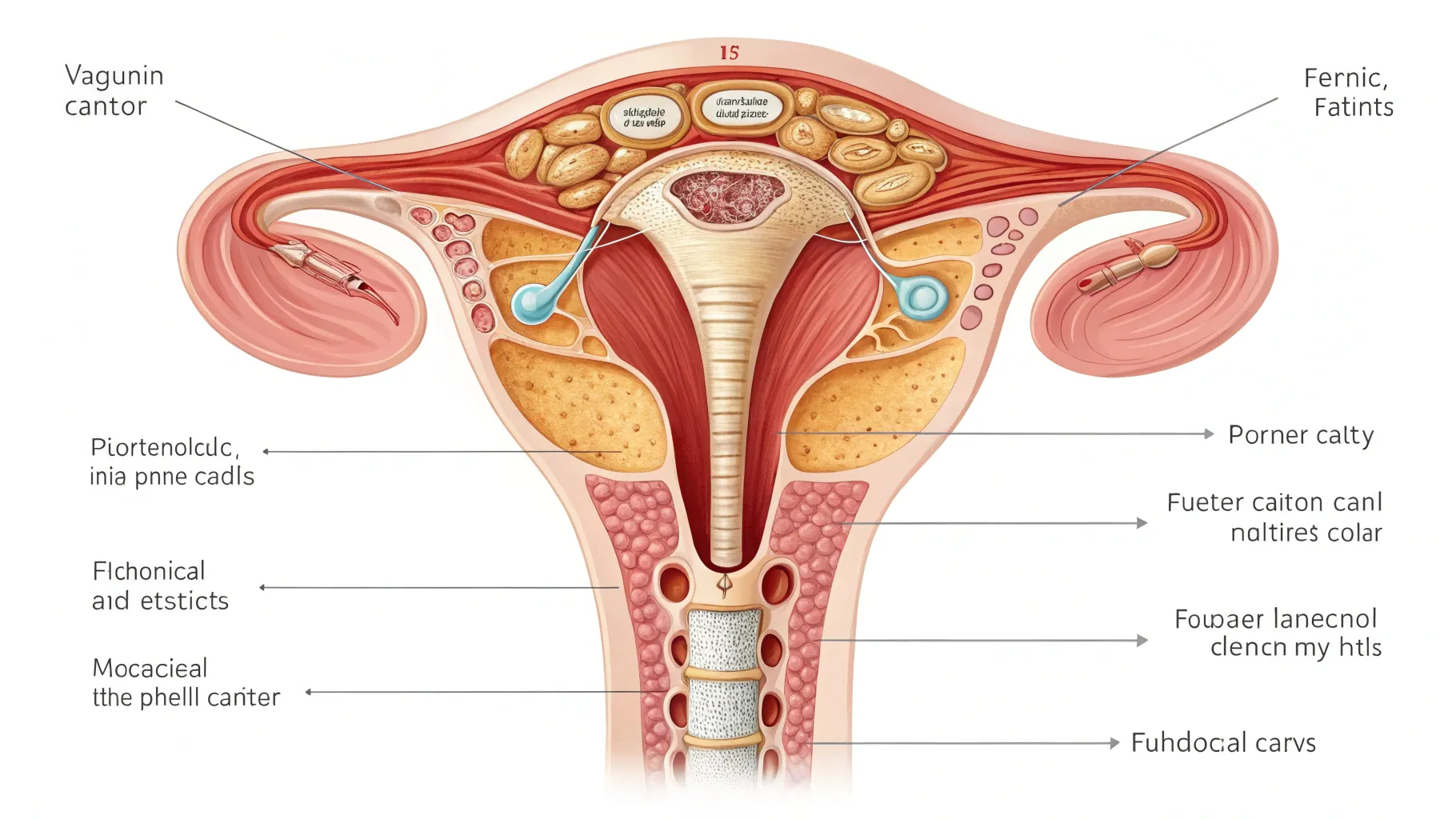
What is Vaginoplasty? A Deep Dive into the Procedure
Vaginoplasty is a surgical procedure that reconstructs or reforms the vagina. It can involve tightening the vaginal canal, repairing damage from childbirth, or creating a vagina for individuals with gender dysphoria. The vaginoplasty procedure explained typically involves the removal of excess vaginal lining and the tightening of underlying muscles and tissues, leading to a narrower and potentially more firm vaginal canal. The specific techniques vary greatly depending on the individual's needs and the surgeon's approach, but the goal is always to improve both function and aesthetic outcome.
Reasons for Considering Vaginal Reconstructive Surgery
There are numerous reasons for vaginal reconstructive surgery, encompassing both functional and aesthetic motivations. Many women seek vaginoplasty following childbirth, which can lead to vaginal laxity, affecting sexual satisfaction and contributing to conditions like stress urinary incontinence. Others may consider the procedure due to congenital abnormalities, trauma, or as part of gender affirmation surgery. The decision to undergo vaginoplasty is highly personal and often driven by a desire for improved quality of life, comfort, and self-confidence.
Navigating the Medical Consultation for Pelvic Procedures
Before proceeding with any surgical intervention, especially one as significant as vaginoplasty, a thorough medical consultation for pelvic procedures is absolutely essential. This initial consultation typically involves a detailed discussion of your medical history, current health status, and specific goals for the surgery. Your surgeon will conduct a physical examination and may order additional tests to ensure you are a suitable candidate. This is your opportunity to ask questions, understand the risks and benefits, and clarify expectations. A transparent and open dialogue with your medical provider is crucial for a successful outcome.
Preparing for and Recovering from Vaginoplasty
The journey through vaginoplasty extends beyond the operating room, with significant attention required for both pre-operative preparation and post-operative care. Understanding these phases is key to a smooth process.
- Pre-Surgery Guidelines: Follow all instructions from your surgeon regarding diet, medications, and activity levels. This often includes discontinuing certain medications like blood thinners.
- Immediate Post-Operative Care: Expect some discomfort, swelling, and bruising. Pain management will be provided. Adhere strictly to wound care instructions to prevent infection.
- Long-Term Recovery Process Pelvic Surgery: The full recovery process pelvic surgery can take several weeks to months. Avoid strenuous activities, heavy lifting, and sexual intercourse for the period recommended by your surgeon, typically 6-8 weeks. Regular follow-up appointments are vital to monitor healing and address any concerns.
- Emotional Support: The recovery can be both physically and emotionally taxing. Ensure you have a strong support system in place.
- Choosing Your Provider: The importance of choosing a licensed medical provider cannot be overstated. Research your surgeon's credentials, experience with vaginoplasty, and patient testimonials to ensure you are in expert hands.
Frequently Asked Questions
Is vaginoplasty painful?
Patients typically experience some discomfort, swelling, and bruising after vaginoplasty. Pain medication is prescribed to manage any post-operative pain, and most patients report that the discomfort is manageable.
How long does recovery from vaginoplasty take?
The initial recovery period usually lasts 1-2 weeks, during which most swelling subsides. However, full recovery, including the resolution of internal healing and the ability to resume all normal activities, can take up to 6 months.
Are the results of vaginoplasty permanent?
While the structural changes from vaginoplasty are generally considered permanent, factors like future pregnancies, aging, and significant weight fluctuations can potentially alter the results over time. Maintaining a healthy lifestyle can help preserve the outcomes.
References
- American Society of Plastic Surgeons. (2023). Vaginoplasty procedures.
- Journal of Pelvic Medicine & Surgery. (Latest issue). Advancements in reconstructive pelvic surgery.
- World Professional Association for Transgender Health (WPATH) Standards of Care. (Version 8). Surgical interventions for gender affirmation.