
10 Proven Ways to Keep Living Spaces Warm During Winter
Fast Facts:
- Energy Savings: Proper insulation can cut heating costs by up to 20%.
- Smart thermostats are a top trend for Homeowners.
Key Information & Options
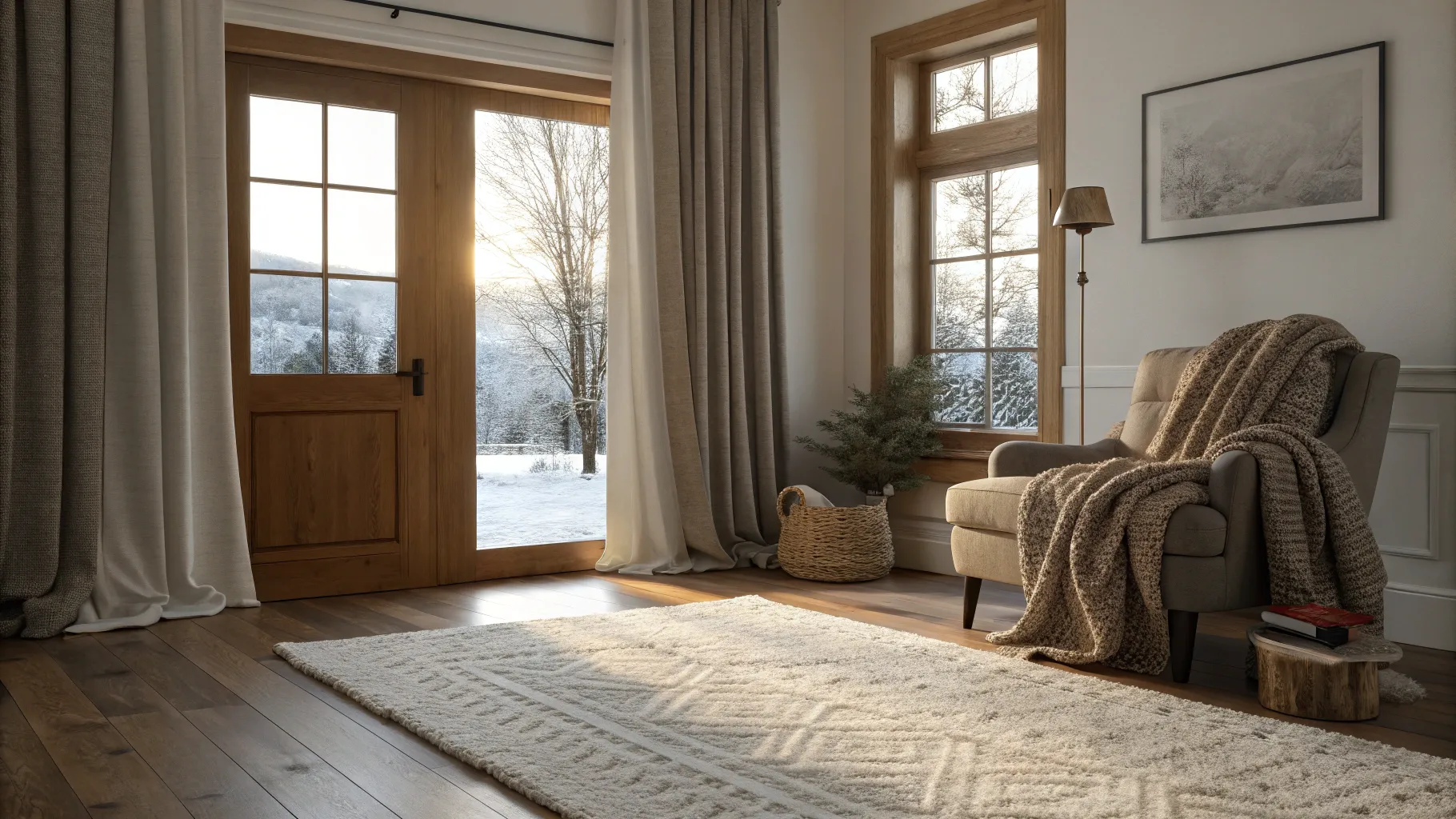
As the temperature drops, finding effective ways to keep home warm winter becomes a top priority. Beyond simply turning up the thermostat, there are numerous strategies and winter heating tips that can enhance your home's coziness without inflating your energy bills. From simple DIY fixes to more significant upgrades, these solutions ensure your comfort throughout the colder months.
Key Benefits
- Lower Energy Bills: Implementing these strategies directly reduces your reliance on central heating, leading to significant cost savings.
- Increased Comfort: Eliminate cold spots and drafts for a consistently comfortable indoor environment. These are great home comfort ideas.
- Improved Home Value: Upgrades like better insulation and energy-efficient windows can increase your property's market value.
- Eco-Friendly: Consuming less energy reduces your carbon footprint, contributing to a healthier planet.
When comparing options, simple fixes like using draft stoppers and thermal curtains offer immediate, low-cost benefits. In contrast, long-term cold weather insulation suggestions such as upgrading attic insulation or installing double-glazed windows require a larger initial investment but provide substantial, long-term energy savings and superior thermal performance. A balanced approach often involves combining both short-term tactics and long-term investments for optimal results.
Essential Winter Warmth Checklist
- Seal air leaks around windows and doors with weatherstripping.
- Use heavy, thermal-lined curtains to insulate windows.
- Place rugs or carpets on bare floors to add a layer of insulation.
- Reverse your ceiling fan's direction to push warm air down.
- Ensure heating vents are clean and unobstructed by furniture.
- Check and upgrade attic insulation if necessary.
Frequently Asked Questions
What is the cheapest way to keep a room warm?
The cheapest method is to prevent heat loss. Seal drafts around windows and doors, use thick curtains, and close off unused rooms to concentrate heat where you need it most. These are fundamental seasonal warmth solutions.
Do thermal curtains really work?
Yes, thermal curtains are highly effective. They have an insulated lining that can reduce heat loss through windows by up to 25%, making them a worthwhile investment for winter comfort.
Is it better to leave the heating on low all day?
For well-insulated homes, it can be more efficient to leave the heating on a low, constant temperature. However, for homes with poor insulation, it's generally better to only heat it when you need it, using a programmable thermostat.
References
- U.S. Department of Energy - Energy Saver Guide
- Environmental Protection Agency (EPA) - Home Weatherization Tips
- National Renewable Energy Laboratory (NREL) - Insulation Studies