
Unlocking Bone Health: What Affects Bone Strength and How to Improve It
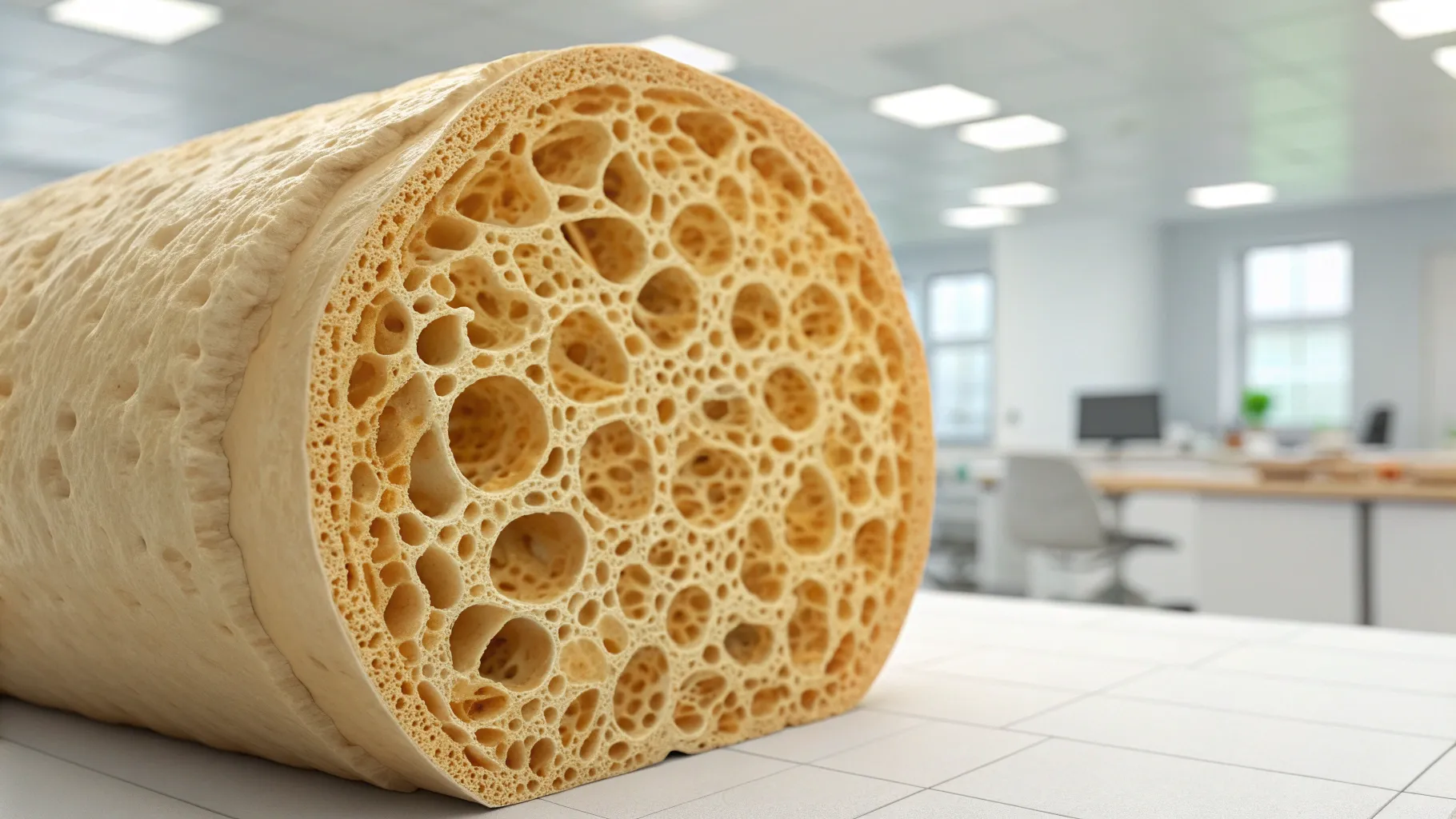
Strong bones are the foundation of a healthy, active life, yet we often take them for granted until a problem arises. Understanding what affects bone strength is the first step toward proactive care. Throughout our lives, our bones are constantly being broken down and rebuilt in a process called remodeling. Several key factors can influence this delicate balance, determining whether our bones remain dense and resilient or become weak and prone to fracture.
Dietary Foundations for Strong Bones
Nutrition plays a pivotal role in maintaining skeletal integrity. The nutrients you consume provide the essential building blocks for your bones. What affects bone strength most significantly in your diet includes:
- Calcium: This mineral is the primary component of bone tissue. Insufficient calcium intake forces the body to draw it from the bones, weakening them over time.
- Vitamin D: Essential for calcium absorption, Vitamin D acts as a key that unlocks the door for calcium to enter the bloodstream and be used by the body.
- Protein and Other Minerals: Protein makes up a significant portion of bone mass, while minerals like magnesium, phosphorus, and potassium also contribute to bone density.
The Impact of Physical Activity
Bones, like muscles, respond to stress by becoming stronger. Weight-bearing and resistance exercises are crucial for stimulating bone formation. When you engage in activities like walking, jogging, dancing, or weightlifting, you put mechanical stress on your skeleton. This signals the bone-building cells (osteoblasts) to get to work, increasing bone density. A sedentary lifestyle, conversely, can lead to a gradual loss of bone mass.
Lifestyle Choices: What Affects Bone Strength Daily?
Your daily habits have a profound impact on your skeletal health. Certain choices can either support or sabotage your efforts to maintain strong bones.
Key Lifestyle Considerations:
- Tobacco and Alcohol Use: Smoking can prevent the body from efficiently absorbing calcium, leading to lower bone density. Excessive alcohol consumption can also interfere with the body's calcium balance and the hormones that regulate it.
- Body Weight: Being underweight (with a BMI below 18.5) is a risk factor for low bone mass and fractures. Conversely, while higher body weight can mean greater bone density, obesity is associated with an increased risk of fractures in some areas, like the ankle and upper arm.
Hormonal Balances and Their Influence
Hormones are powerful chemical messengers that regulate numerous bodily functions, including bone remodeling. A decline in certain hormones is a primary factor in what affects bone strength, particularly as we age. For women, the sharp drop in estrogen levels during menopause accelerates bone loss. In men, low testosterone levels can also contribute to a decrease in bone density. Additionally, imbalances in thyroid hormones or parathyroid hormones can disrupt the bone-building process.
Unchangeable Factors: Age and Genetics
While you can control many aspects of your bone health, some factors are predetermined. Bone mass typically peaks in our late 20s or early 30s. After this point, we gradually begin to lose more bone than we build. Genetics also play a significant role; a family history of osteoporosis or fractures can indicate a higher personal risk. Understanding these unchangeable factors helps in focusing more intently on the modifiable ones, like diet and exercise, to mitigate potential risks.
References:
https://www.bones.nih.gov/health-info/bone/bone-health/bone-health-life-health-information-basics-you-and-your-family
https://www.mayoclinic.org/healthy-lifestyle/adult-health/in-depth/bone-health/art-20045060
https://orthoinfo.aaos.org/en/staying-healthy/bone-health-basics/