
What Affects Bone Strength? Key Factors for a Healthy Skeleton in 2025
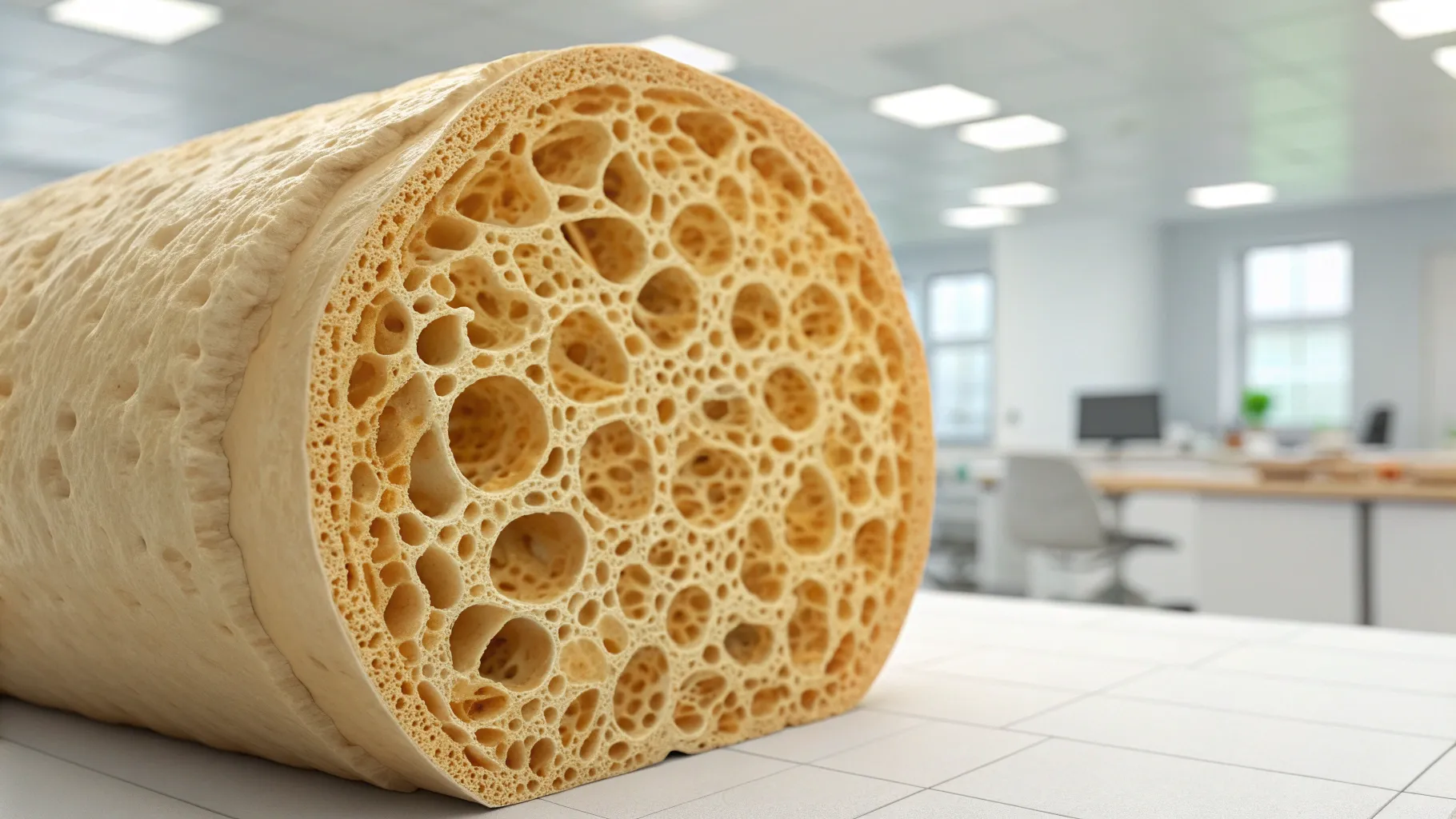
Our bones provide the fundamental structure for our bodies, protect our vital organs, and store essential minerals. Maintaining their strength is crucial throughout our lives, yet many people don't consider their bone health until it's too late. As we head into 2026, understanding what affects bone strength is more important than ever. A combination of dietary choices, physical activity, lifestyle habits, and genetics all play a significant role in determining the health and density of your skeleton. This guide explores the key factors you need to know.
The Critical Role of Diet and Nutrition
Proper nutrition is the cornerstone of building and maintaining strong bones. Certain vitamins and minerals are indispensable for this process. Calcium is perhaps the most well-known, as it is the primary building block of bone tissue. Dairy products, leafy green vegetables, and fortified foods are excellent sources. However, calcium cannot be properly absorbed without Vitamin D, which our bodies primarily synthesize from sun exposure, but can also be found in fatty fish and fortified milk. Other crucial nutrients include protein, which makes up a significant portion of bone mass, and minerals like magnesium and phosphorus which contribute to the bone mineral matrix.
Physical Activity: The Foundation of Strong Bones
Bones are living tissue that respond to stress by becoming stronger. This is why physical activity is a non-negotiable factor in bone health. Engaging in regular exercise, particularly weight-bearing and muscle-strengthening activities, stimulates bone-forming cells. Understanding this is key to knowing what affects bone strength in a positive way. These exercises create mechanical force on the skeleton, signaling it to increase its density and strength.
- Weight-bearing exercises: Activities like walking, jogging, hiking, and dancing force your body to work against gravity.
- Muscle-strengthening exercises: Lifting weights, using resistance bands, or practicing yoga helps build muscle, which pulls on bones and fortifies them.
Lifestyle Habits: What Affects Bone Strength Daily?
Your daily habits have a profound impact on your skeleton. Negative lifestyle choices can significantly undermine bone density over time. Tobacco use is directly linked to decreased bone density and a higher risk of fractures. Similarly, excessive alcohol consumption (more than two drinks per day for men or one for women) can interfere with the body's ability to absorb calcium and regulate bone-building hormones. Maintaining a healthy body weight is also crucial, as being underweight can lead to lower bone mass, while obesity can put excessive stress on joints, indirectly affecting skeletal health.
Hormonal Influences on Bone Density
Hormones are powerful chemical messengers that regulate numerous bodily functions, including bone remodeling. Sex hormones, in particular, are vital. In women, estrogen plays a protective role in maintaining bone density. The sharp drop in estrogen during menopause is a primary reason why women are at a higher risk for osteoporosis. In men, testosterone is converted into bone-preserving estrogen. An imbalance in other hormones, such as an overactive thyroid (hyperthyroidism), can also accelerate bone loss. This hormonal component is a major consideration in what affects bone strength throughout different life stages.
Age and Genetics: The Unchangeable Factors
While we can control our diet, exercise, and lifestyle, some factors affecting bone strength are beyond our influence. Bone mass typically peaks in our late 20s. After that, we gradually begin to lose more bone than we build. This natural aging process makes bones more susceptible to weakening over time. Furthermore, genetics plays a significant role. If you have a family history of osteoporosis or fractures, you may be predisposed to having lower bone density. While you cannot change your genes or stop the aging process, being aware of these risks allows you to be more proactive with the lifestyle and nutritional factors you can control.
References:
https://www.bones.nih.gov/health-info/bone/bone-health/what-is-bone
https://www.mayoclinic.org/healthy-lifestyle/adult-health/in-depth/bone-health/art-20045060
https://www.nof.org/patients/what-is-osteoporosis/