
What Are Symptoms of Colitis? Early Signs, Causes, and Diagnosis
Facts:
- Colitis affects millions of people worldwide.
- Awareness of early symptoms is trending for proactive health management.
Recognizing the Telltale Signs: A Deep Dive into Colitis Symptoms
Colitis, an inflammation of the colon's inner lining, can manifest through a variety of uncomfortable and disruptive symptoms. Understanding these indicators is the first step toward getting an accurate diagnosis and effective treatment. Many people wonder, What are symptoms of colitis? The answer can vary depending on the type and severity of the condition, but there are common signs to watch for. It's also vital to recognize what are the early signs of colitis, as prompt medical attention can significantly improve outcomes and quality of life. This guide will explore the full spectrum of symptoms, from the most common digestive issues to less obvious systemic signs, providing clarity on this complex condition.
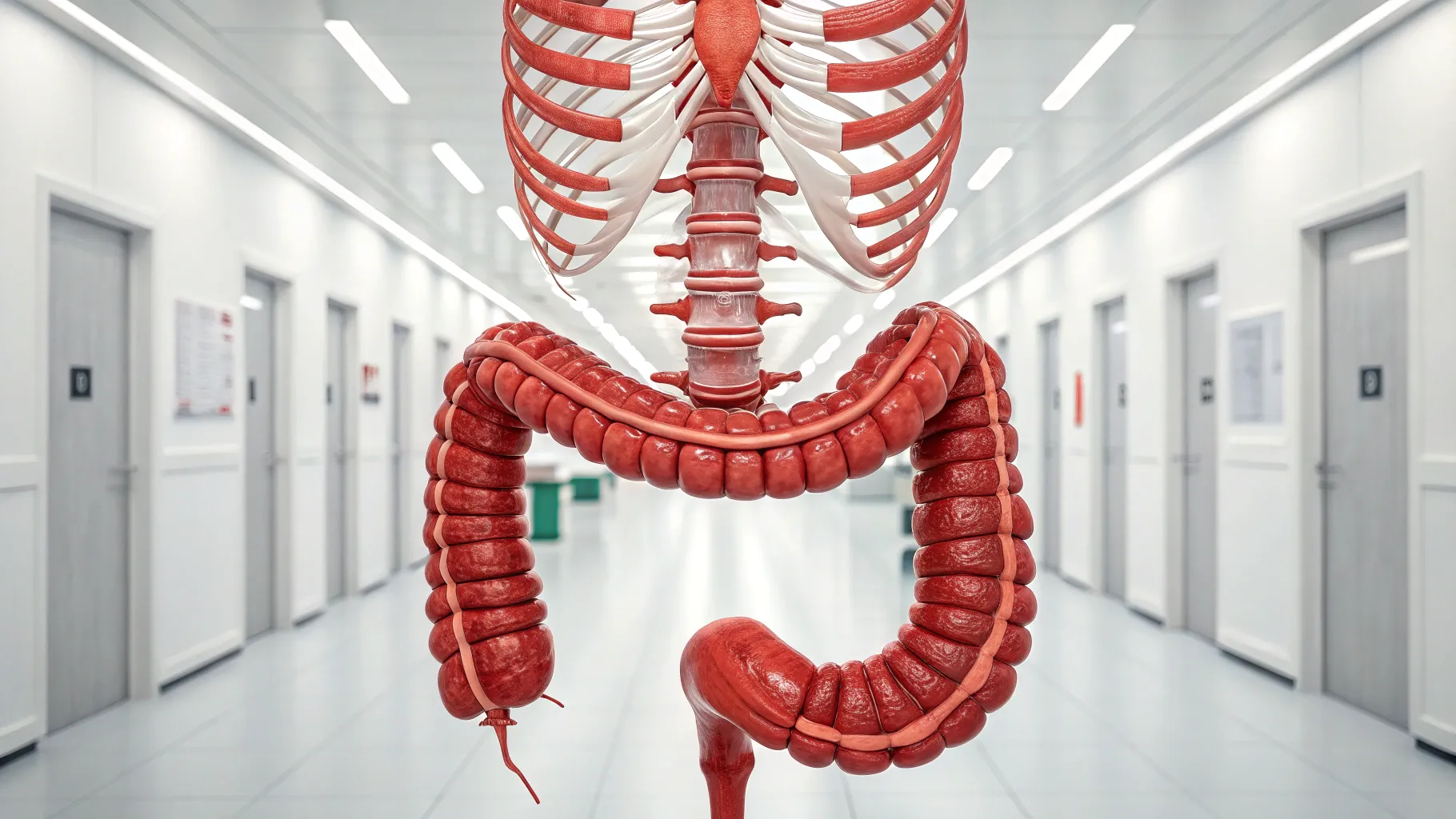
Primary Gastrointestinal Symptoms of Colitis
The most direct indicators of colitis involve the digestive system. Persistent diarrhea is a hallmark symptom, often accompanied by a sense of urgency that can be difficult to control. Abdominal pain and cramping are also very common, ranging from mild discomfort to severe, debilitating pain. One of the more alarming signs is the presence of blood in the stool or rectal bleeding. This happens because the inflammation can cause ulcers in the colon lining to bleed. Individuals may also experience a constant feeling of needing to have a bowel movement, a condition known as tenesmus. For many, understanding what are the symptoms of colitis begins with recognizing these disruptive gastrointestinal changes.
Systemic Symptoms: When Colitis Affects the Whole Body
Colitis is not just a disease of the colon; its inflammatory nature can impact the entire body. Systemic symptoms are common and can sometimes be confusing before a diagnosis is made. Unexplained weight loss, a persistent low-grade fever, and a profound sense of fatigue are often reported. The body expends a significant amount of energy dealing with chronic inflammation, leading to exhaustion that isn't relieved by rest. Some individuals also experience joint pain and swelling (arthritis), skin rashes, and inflammation in the eyes. These signs highlight the systemic nature of the disease and are a crucial part of the overall clinical picture when determining what causes colitis symptoms on a broader scale.
Investigating the Triggers: What Causes Colitis Symptoms?
While the exact cause of many types of colitis remains unknown, research points to a combination of factors. The leading theory is that it involves an abnormal immune system response. The immune system mistakenly attacks healthy bacteria and cells in the colon, triggering chronic inflammation. Genetics also play a significant role; having a close relative with inflammatory bowel disease increases your risk. Environmental factors are also believed to be triggers, including diet, stress, smoking, and certain medications like nonsteroidal anti-inflammatory drugs (NSAIDs). An infection can also lead to specific types of colitis. Exploring what causes colitis symptoms is a critical part of the diagnostic process, helping to tailor the right treatment plan.
The Diagnostic Pathway: How is Colitis Diagnosed?
If you are experiencing persistent symptoms, a doctor will follow a specific pathway to determine if you have colitis. The process of how is colitis diagnosed is comprehensive and designed to rule out other conditions. It typically begins with a physical exam and a detailed medical history. Blood tests are used to check for signs of inflammation, anemia, or infection. A stool sample analysis is crucial to look for blood, bacteria, and markers of inflammation. The most definitive diagnostic tools are endoscopic procedures, such as a colonoscopy or sigmoidoscopy. During these tests, a doctor uses a thin, flexible tube with a camera to view the entire colon, check for inflammation, and take small tissue samples (biopsies) for analysis. This confirms the diagnosis and helps identify the specific type of colitis.
Knowing When to Act: When Should You See a Doctor for Colitis Symptoms?
It is essential to know when professional medical advice is necessary. While occasional digestive upset can be normal, certain signs should prompt an immediate consultation with a healthcare provider. Understanding when should you see a doctor for colitis symptoms can prevent complications and lead to a faster diagnosis and treatment. You should seek medical attention if you experience any of the following:
- Persistent Diarrhea: If diarrhea lasts for more than a few days, especially if it's accompanied by blood or severe cramping.
- Blood in Stool: Any amount of rectal bleeding or blood mixed in your stool is not normal and requires immediate evaluation.
- Severe Abdominal Pain: Intense, persistent abdominal pain that doesn't go away is a significant red flag.
- Unexplained Weight Loss: Losing weight without trying, coupled with other digestive symptoms, warrants a doctor's visit.
- High Fever: A fever lasting more than a day or two, especially with other colitis symptoms, could indicate a severe flare-up or infection.
Frequently Asked Questions
What are the early signs of colitis?
The earliest signs often include subtle changes in bowel habits. You might notice more frequent urges to use the restroom, milder abdominal cramping, and persistent diarrhea that you might initially dismiss. Recognizing what are the early signs of colitis is key, as these symptoms can gradually worsen over time. Fatigue and a general feeling of being unwell are also common initial indicators.
Can stress cause colitis symptoms to flare up?
While stress doesn't directly cause colitis, it is a well-known trigger for symptom flare-ups in people who already have the condition. Managing stress through techniques like mindfulness, exercise, and therapy can be an important part of a comprehensive treatment plan to control symptoms.
How is colitis diagnosed differently from other bowel conditions like IBS?
The process of how is colitis diagnosed involves identifying physical evidence of inflammation in the colon. While Irritable Bowel Syndrome (IBS) can have similar symptoms like cramping and diarrhea, it does not cause inflammation, bleeding, or ulcers that are visible during a colonoscopy. Biopsies taken during a colonoscopy confirm the presence of colitis, definitively distinguishing it from IBS.
References
- Crohn's & Colitis Foundation
- National Institute of Diabetes and Digestive and Kidney Diseases (NIDDK)
- American College of Gastroenterology
- Mayo Clinic Patient Care & Health Information