
What Are Symptoms of Colitis? A Comprehensive Guide to Early Signs
Facts:
- Colitis describes inflammation of the colon's inner lining.
- Understanding the specific symptoms is key for early diagnosis.
Recognizing the Telltale Signs: A Deep Dive into Colitis Symptoms
Colitis is a condition characterized by inflammation of the colon, which can lead to a range of uncomfortable and often distressing symptoms. Understanding what are symptoms of colitis is the first and most critical step toward seeking a proper diagnosis and effective treatment. The presentation of these symptoms can vary significantly from person to person, depending on the severity of the inflammation and the specific type of colitis. Many people first become aware of a problem when they notice persistent changes in their digestive health. It's crucial to identify what are the early signs of colitis to prevent the condition from progressing and to manage it effectively. This guide will provide a comprehensive overview of the symptoms, causes, and diagnostic procedures associated with this condition.
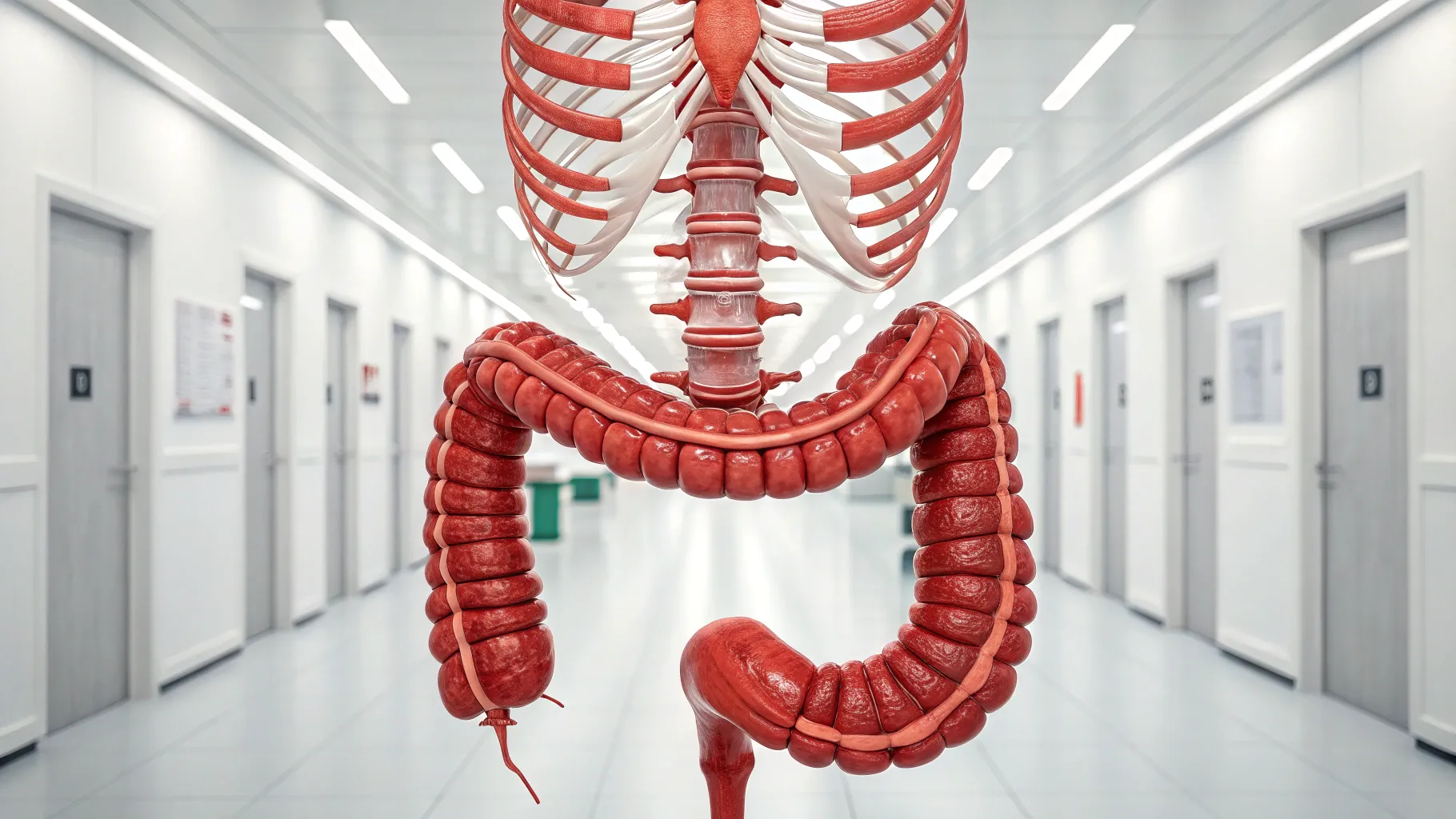
Understanding the Primary Symptoms of Colitis
When discussing what are the symptoms of colitis, it's important to recognize that they often revolve around digestive distress. The intensity can range from mild and intermittent to severe and constant, significantly impacting daily life. Paying close attention to these indicators is vital for your health.
Abdominal Pain and Cramping
One of the most common signs is persistent abdominal pain, which can feel like cramping. This discomfort is typically located in the lower abdomen and can vary in intensity. The pain results from the inflammation of the colon lining, causing irritation and muscle spasms.
Persistent Diarrhea
Inflammation in the colon can interfere with its ability to absorb water from stool, leading to frequent, watery bowel movements. The diarrhea may be accompanied by a sense of urgency and can sometimes contain blood, mucus, or pus, which are definitive signs of significant inflammation.
Rectal Bleeding or Blood in Stool
Seeing blood in your stool is an alarming symptom that should never be ignored. In colitis, this occurs because the inflamed lining of the colon can develop ulcers that bleed. The blood may appear bright red, indicating it's from the lower part of the colon or rectum.
Tenesmus (Urgent Need to Defecate)
Tenesmus is the feeling that you need to pass stools, even though your bowels are already empty. This constant urge is caused by the rectal inflammation tricking the nerves into signaling a full bowel. It can be a very frustrating and uncomfortable part of living with colitis.
What Causes Colitis Symptoms?
Understanding what causes colitis symptoms is complex, as several factors can contribute to the inflammation of the colon. While the exact cause is often unknown, particularly in cases of inflammatory bowel disease (IBD) like ulcerative colitis, researchers have identified several potential triggers and contributing factors that lead to the onset of symptoms. These can include autoimmune responses, genetic predispositions, infections, and even environmental factors. A proper diagnosis is key to identifying the specific type of colitis and, therefore, the likely cause, which in turn guides the treatment plan.
Early Detection: What Are the Early Signs of Colitis?
Identifying what are the early signs of colitis can be challenging, as they are often subtle and can be mistaken for other, less serious digestive issues. However, early detection is crucial for effective management. Initial symptoms might include a gradual change in bowel habits, such as moving from regular movements to more frequent, looser stools. You might also experience mild but persistent abdominal discomfort, increased gas, or a general feeling of bloating. Another early sign can be unexplained fatigue or a low-grade fever, as your body uses energy to fight the underlying inflammation. Recognizing these early signals is a key part of knowing when should you see a doctor for colitis symptoms before they become more severe.
How is Colitis Diagnosed by Medical Professionals?
A definitive answer to how is colitis diagnosed involves a multi-step process undertaken by a gastroenterologist. A diagnosis is rarely made based on symptoms alone. Your doctor will likely start with a physical exam and a detailed medical history. This is followed by a series of tests to rule out other conditions and confirm the presence of colon inflammation. These tests typically include blood tests to check for signs of inflammation or anemia, stool samples to detect infections or blood, and imaging studies. The gold standard for diagnosis is often a colonoscopy, a procedure where a thin, flexible tube with a camera is used to view the entire colon. During the colonoscopy, small tissue samples (biopsies) may be taken for laboratory analysis to confirm the diagnosis and determine the specific type of colitis.
Actionable Steps: When Should You See a Doctor for Colitis Symptoms?
Knowing when should you see a doctor for colitis symptoms is vital for protecting your long-term health. While occasional digestive upset is normal, certain signs should prompt you to seek immediate medical advice. Do not delay making an appointment if you experience any of the following, as they could indicate a significant underlying issue.
- Blood in Your Stool: This is a major red flag. Whether it's bright red or dark, any rectal bleeding warrants a medical evaluation.
- Persistent Diarrhea: If you have diarrhea that lasts for more than a few days, especially if it's accompanied by pain or wakes you up at night, it's time to see a doctor.
- Severe Abdominal Pain: Intense, persistent abdominal pain or cramping that doesn't resolve is not normal and needs to be investigated.
- Unexplained Weight Loss: Losing weight without trying can be a sign that your body isn't absorbing nutrients properly due to inflammation, which is a key concern with colitis.
- High Fever: A fever accompanied by digestive symptoms can indicate a severe infection or significant inflammation that requires medical intervention.
Frequently Asked Questions
What are the most common early symptoms of colitis?
The most common early signs often include persistent diarrhea, abdominal cramping, and an urgent need to have a bowel movement. Some people also experience fatigue and notice mucus or a small amount of blood in their stool as an initial indicator. Understanding what are the early signs of colitis helps in seeking timely medical care.
How is colitis diagnosed if the symptoms are mild?
Even with mild symptoms, the diagnostic process remains thorough. A doctor will typically use a combination of blood tests, stool analysis, and often a colonoscopy or sigmoidoscopy to visually inspect the colon for inflammation and take biopsies. This process is crucial because how is colitis diagnosed accurately determines the correct treatment plan, even in less severe cases.
Can stress be one of the things that causes colitis symptoms?
While stress itself does not directly cause colitis, it is a well-known trigger that can cause symptoms to flare up or worsen in individuals who already have the condition. Therefore, managing stress is a key component of managing colitis, but it is not the root cause. The question of what causes colitis symptoms is more often linked to autoimmune responses, genetics, or infections.
References
- National Institute of Diabetes and Digestive and Kidney Diseases (NIDDK)
- Crohn's & Colitis Foundation
- American College of Gastroenterology
- Mayo Clinic Patient Care & Health Information