
What Are the Risks of Reocclusion and Complications in Patients with Stents?
Facts:
- Reocclusion incidence varies by stent type and patient factors.
- Improved stent technology significantly reduces the risk of re-blockage for many patients.
Exploring the Dynamics of Stent Re-blockage and Post-Procedure Complications
Patients undergoing stent placement for coronary artery disease often experience significant relief from symptoms and improved blood flow. However, a crucial aspect of post-procedure care involves understanding the potential for reocclusion and other associated complications. The primary concern is the risk of re-blockage within the stented vessel, known as in-stent restenosis or stent thrombosis, which can necessitate additional procedures. This article delves into these risks, comparing outcomes, particularly for vulnerable populations like older adults with multiple diseases, and discussing strategies for managing long-term outcomes and preventing the need for repeat interventions.
The Nature of Reocclusion and In-Stent Restenosis
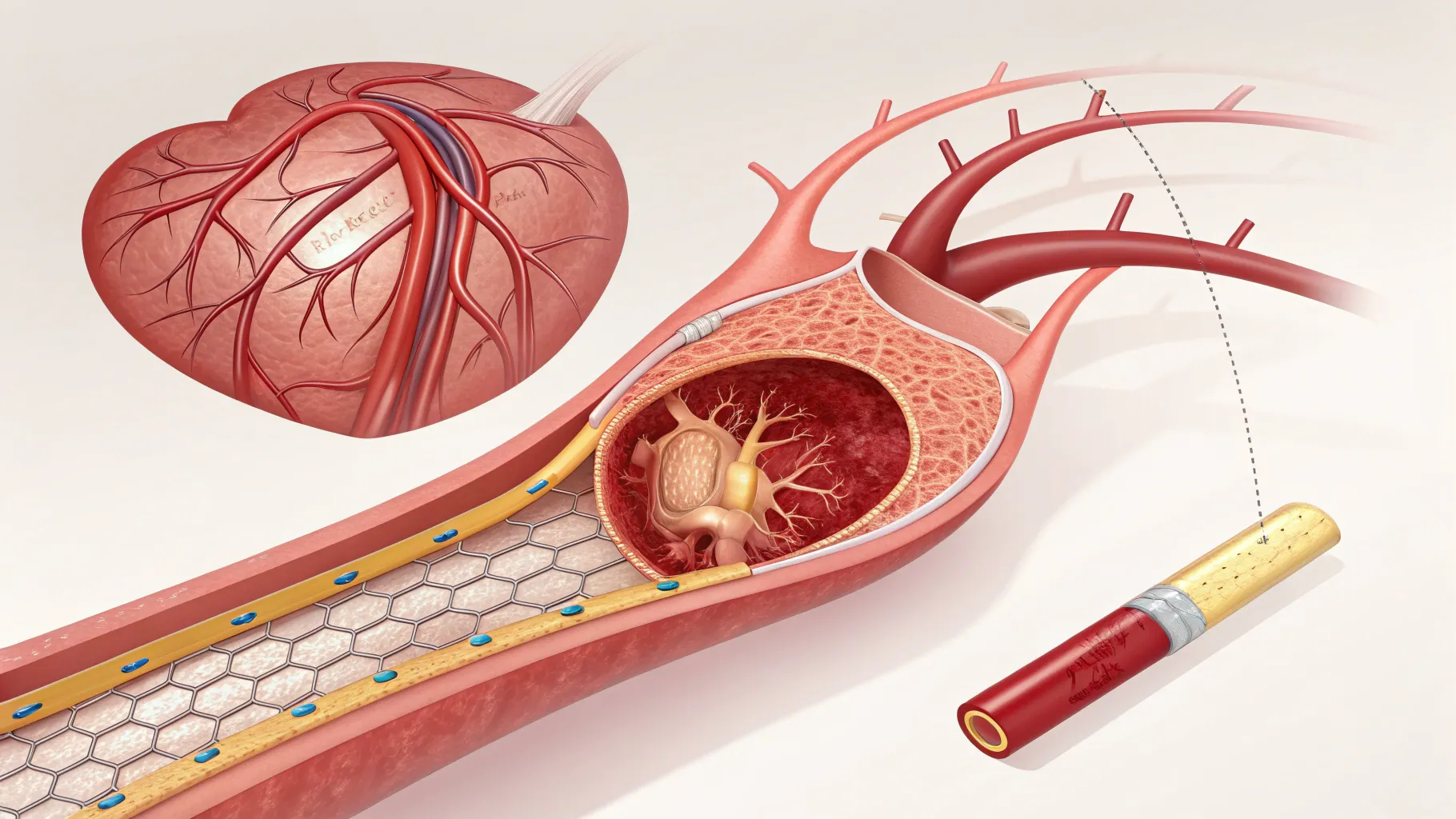
Reocclusion refers to the re-narrowing or complete blockage of a blood vessel that has previously been opened, often occurring within or around a stent. This phenomenon, particularly in-stent restenosis, represents a significant aspect of the risk of re-blockage following percutaneous coronary intervention. It typically involves the overgrowth of smooth muscle cells and extracellular matrix within the stent, reducing the vessel lumen and impeding blood flow. Understanding the biological and mechanical factors contributing to this process is paramount for predicting and mitigating the need for additional procedures and improving patient long-term outcomes.
Identifying Key Factors Contributing to Complications
Several factors contribute to the risk of re-blockage and other complications after stent implantation. These can be broadly categorized into patient-specific characteristics, procedural details, and stent-related issues. For instance, patients with diabetes, chronic kidney disease, or extensive coronary artery disease are inherently at a higher risk. Furthermore, challenges become more pronounced in populations such as older adults with multiple diseases, where systemic inflammation and impaired healing processes can exacerbate the propensity for restenosis and other adverse events, potentially leading to repeat interventions sooner.
Mechanical and Biological Factors
Mechanical factors, such as stent fracture, incomplete stent expansion, or stent malapposition, can contribute to the risk of re-blockage. Biologically, the vessel's response to injury from stent placement initiates a healing cascade that, in some cases, leads to excessive neointimal hyperplasia, thereby narrowing the vessel lumen. Stent type, particularly the evolution from bare-metal stents to drug-eluting stents (DES), has drastically improved long-term outcomes by delivering antiproliferative drugs locally to suppress this overgrowth, reducing the need for additional procedures. However, even with DES, the risk, though significantly lower, is not entirely eliminated.
Patient Comorbidities and Lifestyle
Patient-specific comorbidities play a crucial role in the likelihood of reocclusion. Conditions such as uncontrolled diabetes, hyperlipidemia, and chronic inflammation accelerate atherosclerosis and impair vascular healing, increasing the risk of re-blockage. Lifestyle choices, including smoking, poor diet, and lack of exercise, further compound these risks. Adherence to prescribed medications, especially dual antiplatelet therapy, is critical in preventing stent thrombosis, a severe form of reocclusion, particularly vital for older adults with multiple diseases who often manage complex medication regimens.
Stent vs. Bypass: A Comparative Look at Complications
When considering revascularization options for coronary artery disease, patients and clinicians often weigh the benefits and risks of stent implantation (PCI) versus coronary artery bypass graft (CABG) surgery. The comparison of stent vs bypass complications highlights distinct profiles. While PCI is less invasive and has a quicker recovery time, it often carries a higher risk of re-blockage and may require repeat interventions over time, especially in multi-vessel disease or complex anatomies. CABG, though more invasive initially, generally offers more durable revascularization and better long-term outcomes for specific patient groups, such as those with extensive or left main coronary artery disease. The decision often depends on the individual patient's anatomy, comorbidities, and the expertise of the treating team, aiming to minimize the need for additional procedures in the future.
Navigating Post-Stent Complications and the Need for Interventions
Beyond reocclusion, patients with stents can face other complications, including bleeding from antiplatelet therapy, vascular access site complications, and, rarely, severe allergic reactions. Timely recognition and management of these issues are essential. The need for repeat interventions, whether another PCI or eventually CABG, is a reality for a subset of patients. Proactive measures and close monitoring are key to managing these challenges and improving long-term outcomes.
- Adherence to Medication: Consistent and correct use of prescribed antiplatelet and cholesterol-lowering medications is paramount to minimize the risk of re-blockage and prevent life-threatening complications like stent thrombosis. Patients, especially older adults with multiple diseases, need clear instructions and support to manage their medication regimen effectively, which directly impacts their long-term outcomes.
- Regular Follow-ups: Scheduled visits with cardiologists are crucial for monitoring stent integrity, assessing overall cardiovascular health, and identifying early signs of potential complications that might necessitate additional procedures. These follow-ups often include stress tests or imaging to detect silent ischemia or restenosis.
- Lifestyle Modifications: Adopting a heart-healthy lifestyle, including a balanced diet, regular physical activity, maintaining a healthy weight, and quitting smoking, significantly reduces the risk of re-blockage and enhances overall long-term outcomes. These changes empower patients to take an active role in their health management.
- Recognizing Warning Signs: Patients should be educated on the symptoms of reocclusion or other stent-related complications, such as chest pain, shortness of breath, or fatigue. Prompt recognition and seeking medical attention for these signs can prevent severe adverse events and facilitate timely repeat interventions.
Ensuring Optimal Long-Term Outcomes After Stent Placement
Achieving optimal long-term outcomes after stent placement is a multifaceted endeavor that involves a combination of advanced medical technology, diligent patient adherence to therapy, and comprehensive lifestyle management. For patients, particularly older adults with multiple diseases, the journey extends beyond the initial procedure. It requires ongoing vigilance to mitigate the risk of re-blockage and other complications. By integrating personalized care plans, robust patient education, and continuous medical innovation, healthcare providers can significantly improve the quality of life and reduce the necessity for additional procedures, ensuring patients lead healthier, longer lives.
Frequently Asked Questions
What is the primary risk of re-blockage after stent placement?
The primary risk after stent placement is in-stent restenosis or stent thrombosis, where the artery narrows again within or around the stent, potentially requiring repeat interventions to restore blood flow.
How do stent vs bypass complications compare in terms of requiring additional procedures?
While stents (PCI) are less invasive initially, they may have a higher rate of needing additional procedures or repeat interventions over time compared to bypass surgery (CABG), which is more invasive but often provides more durable long-term outcomes, especially for complex coronary artery disease or in older adults with multiple diseases.
What factors increase the likelihood of needing additional procedures due to reocclusion?
Factors that increase the likelihood include uncontrolled diabetes, active smoking, complex lesion characteristics, smaller vessel diameter, and non-adherence to antiplatelet medication, all of which heighten the risk of re-blockage.
References
- European Society of Cardiology Guidelines on Myocardial Revascularization.
- American Heart Association Scientific Statements on Coronary Artery Disease.
- Clinical trial data on drug-eluting stent efficacy and safety.
- Studies on cardiovascular disease management in geriatric populations.