
What Can Slow Down Recovery After Areola Reduction?
Facts:
- Areola reduction is a common cosmetic procedure.
- Post-operative care greatly influences recovery for surgical patients.
Navigating the Healing Journey: Potential Roadblocks After Areola Reduction
Undergoing areola reduction surgery is a significant step towards achieving desired aesthetic results, but the journey to full recovery can sometimes encounter unexpected hurdles. Patients often anticipate a smooth healing process, yet certain complications can emerge, potentially slowing down progress and requiring further medical attention. Understanding these potential issues, such as infection and redness, is paramount for proactive management and ensuring the best possible outcome. A thorough understanding empowers patients to recognize early warning signs, facilitating timely intervention and minimizing the impact of these setbacks.
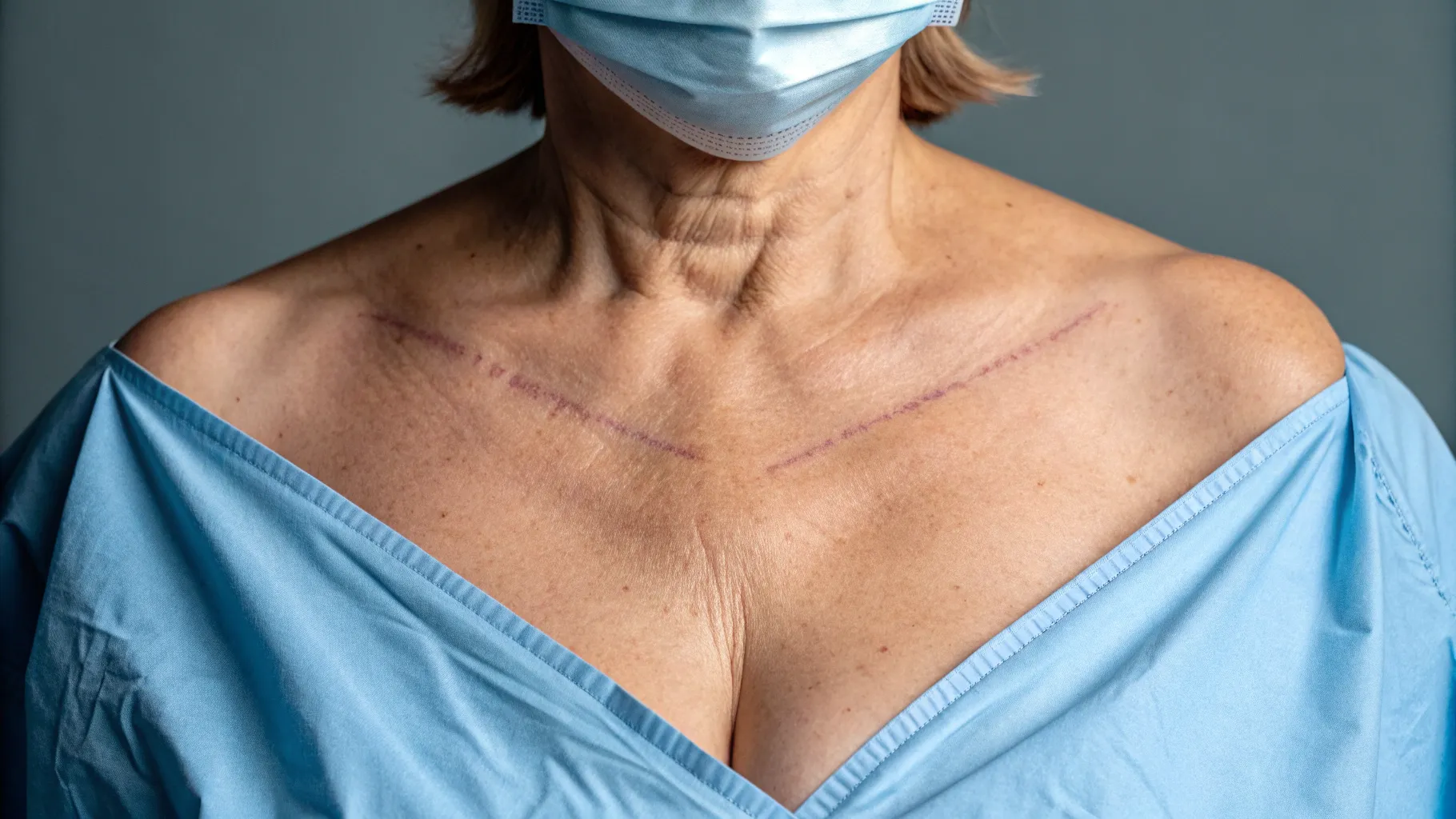
Common Complications That Can Impede Recovery
While many patients experience an uneventful recovery, awareness of potential complications is crucial. Identifying these issues early can significantly impact the speed and success of your healing. Ignoring symptoms can lead to more serious problems and a prolonged recovery period. Therefore, vigilance and prompt communication with your surgical team are always recommended.
The Threat of Infection and Redness
One of the most frequently encountered complications after any surgery, including areola reduction, is infection and redness. This can manifest as increased warmth, swelling, or tenderness around the surgical site, accompanied by a noticeable reddening of the skin. An infection occurs when bacteria enter the incision site, potentially delaying wound healing and causing discomfort. It is critical to differentiate between normal post-operative inflammation and signs of infection. While some mild redness is expected as part of the healing process, escalating or spreading redness, especially when accompanied by fever or pus, signals a need for immediate medical evaluation. Early detection and treatment with antibiotics are vital to prevent the infection from worsening and affecting the overall outcome of the surgery.
Recognizing Unusual Discharge
Another alarming symptom that can arise is unusual discharge from the incision site. A small amount of clear or light pink fluid is typically normal in the initial days following surgery. However, if the discharge becomes thick, cloudy, yellowish, greenish, or has a foul odor, it often indicates an infection. Persistent or increasing discharge, even if clear, can also be a sign of a seroma (fluid collection) or hematoma (blood collection) that may need drainage. Any significant change in the nature, color, or quantity of discharge warrants immediate attention from your surgeon. Prompt assessment can help identify the underlying cause and guide appropriate management, preventing further complications.
Coping with Increased Pain
Pain is a natural component of post-operative recovery, and surgeons typically prescribe medication to manage it. However, increased pain that is sudden, severe, or not relieved by prescribed medication, particularly when localized to the surgical area, is a red flag. This could signify an underlying issue such as an infection, hematoma, nerve irritation, or even an allergic reaction to sutures. While some fluctuations in discomfort are normal, a consistent escalation in pain levels, especially beyond the first few days, should never be ignored. Your surgical team needs to be informed so they can evaluate the cause and adjust your treatment plan accordingly, ensuring your comfort and safety.
Importance of Monitoring Symptoms Diligently
Effective monitoring symptoms is not just a recommendation; it's a critical component of a successful recovery. This involves regularly checking the incision sites for changes in appearance, sensation, or discharge. Patients should keep a log of their pain levels, temperature, and any observations related to the wound. Paying close attention to how your body is reacting and healing can provide early clues to potential problems. It empowers you to be an active participant in your recovery process and ensures that any concerning developments are brought to the attention of medical professionals without delay. Consistent and accurate symptom monitoring can prevent minor issues from escalating into major complications.
When to Seek Urgent Medical Advice
Knowing when to elevate concerns from self-monitoring to professional consultation is vital. Certain symptoms demand immediate attention and should prompt urgent contact with a surgeon. These include, but are not limited to, a high fever (above 101°F or 38.3°C), severe and unmanageable pain, sudden significant swelling, spreading redness, pus-like or foul-smelling discharge, or any signs of an allergic reaction such as widespread rash or difficulty breathing. Waiting too long can allow complications to worsen, potentially leading to more complex treatments or affecting the final aesthetic outcome. Your surgical team is your primary resource for post-operative care, and they prefer to be informed about any concerning changes promptly.
Strategies for Safety and Prevention During Recovery
Proactive measures are key to fostering a smooth recovery and minimizing the risk of complications. Adhering strictly to post-operative instructions is the cornerstone of safety and prevention. This includes proper wound care, taking prescribed medications as directed, avoiding strenuous activities, refraining from smoking, and maintaining a healthy diet. Good hygiene, gentle cleaning of the surgical area, and wearing appropriate support garments can all contribute significantly to successful healing. Attending all follow-up appointments allows your surgeon to monitor your progress, address any concerns, and provide personalized advice. By taking an active and responsible approach to your recovery, you can greatly enhance your chances of a problem-free healing period.
Frequently Asked Questions
Can minor swelling and bruising indicate an infection after areola reduction?
While some swelling and bruising are normal post-surgery, if they significantly worsen, become accompanied by heat, spreading redness, or severe increased pain, it could be a sign of infection. It's crucial to distinguish between typical post-operative effects and developing complications by closely monitoring symptoms and consulting your surgeon.
What should I do if I notice unusual discharge a week after my areola reduction?
If you observe unusual discharge – especially if it's thick, colored (yellow, green), or malodorous – you should make urgent contact with a surgeon immediately. This is a strong indicator of a potential infection or other complication requiring prompt medical evaluation and possibly antibiotics.
How can I ensure my safety and prevention against complications during my recovery?
To ensure safety and prevention, strictly follow all post-operative instructions provided by your surgeon. This includes proper wound care, avoiding strenuous activity, taking prescribed medications, and attending all follow-up appointments. Regular and diligent monitoring symptoms is also crucial for early detection of any issues.
Is it normal to experience increased pain a few days after areola reduction?
Some degree of pain is expected, but persistent or significantly increased pain that is not alleviated by medication, or pain that develops suddenly after an initial improvement, is not normal. This warrants urgent contact with a surgeon to rule out complications like infection or hematoma.
References
- Plastic and Reconstructive Surgery Journal
- American Society of Plastic Surgeons official guidelines
- Clinical Plastic Surgery textbooks
- Peer-reviewed studies on post-operative complications in aesthetic breast surgery
- Patient care protocols for areola reduction procedures