
What Causes Chronic Back Pain? A Comprehensive 2025 Guide
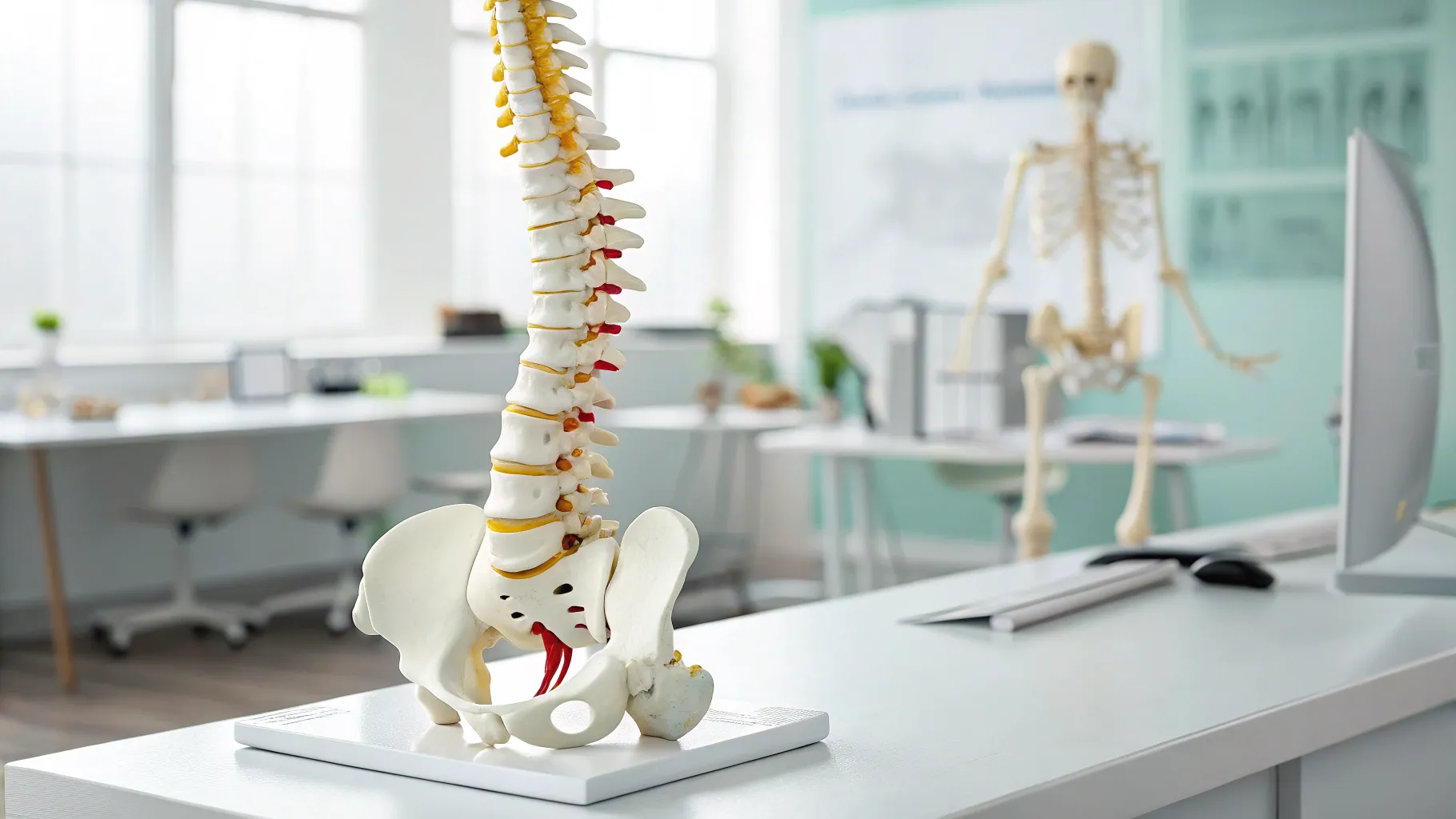
Chronic back pain is a persistent and often debilitating condition affecting millions of people worldwide. Unlike acute pain, which is a temporary response to an injury, chronic pain lasts for 12 weeks or longer. As of December 2025, understanding what causes chronic back pain is the first crucial step toward finding effective management and relief. The causes can be complex, often involving a combination of physical, psychological, and lifestyle factors.
Mechanical Problems and Past Injuries
One of the most common answers to 'what causes chronic back pain?' lies in mechanical issues affecting the spine's structure. These problems can stem from a sudden injury or gradual wear and tear over many years.
- Sprains and Strains: Overstretching or tearing ligaments (sprains) and muscles or tendons (strains) can lead to chronic pain if they do not heal properly, creating a cycle of weakness and re-injury.
- Herniated or Bulging Discs: The rubbery discs between your vertebrae can bulge or rupture, putting pressure on nearby nerves. This pressure is a frequent source of sciatica and persistent back pain.
- Degenerative Disc Disease: Over time, these spinal discs can wear down, losing their cushioning ability and leading to pain, stiffness, and reduced flexibility.
Underlying Medical Conditions
Sometimes, the issue is not a direct injury but an underlying disease. Several medical conditions are known for what causes chronic back pain, including:
- Arthritis: Osteoarthritis can cause the cartilage in the joints of the spine to break down, while inflammatory conditions like ankylosing spondylitis can cause vertebrae to fuse.
- Spinal Stenosis: This condition involves the narrowing of the spinal canal, which can put significant pressure on the spinal cord and nerves, leading to pain and numbness.
- Scoliosis: An abnormal curvature of the spine can lead to uneven weight distribution and chronic muscular strain over time.
- Fibromyalgia: A condition characterized by widespread musculoskeletal pain, which often includes significant and chronic back pain as a primary symptom.
Lifestyle and Postural Habits
Our daily routines and habits play a significant role in spinal health. Understanding how your lifestyle contributes is key to figuring out what causes chronic back pain in your specific case.
Common Lifestyle Culprits Include:
Poor Posture: Slouching at a desk or while standing puts unnecessary and prolonged strain on your back muscles and spine, leading to chronic aches.
Sedentary Lifestyle: A lack of regular physical activity can lead to weak core and back muscles, which are essential for properly supporting the spine.
Obesity: Excess body weight, particularly around the abdomen, puts added and constant stress on the structures of the lower back.
Improper Lifting: Consistently using your back instead of your legs to lift heavy objects is a classic cause of acute injuries that can evolve into chronic pain.
Psychological and Emotional Factors
The connection between the mind and body is powerful. It is increasingly clear that psychological factors are a significant piece of the puzzle when determining what causes chronic back pain. Stress, anxiety, and depression can amplify pain perception and even manifest as physical symptoms. The fear of movement due to pain can create a vicious cycle, leading to muscle weakness and even more discomfort.
When to Seek a Professional Diagnosis
If you have been struggling with back pain for more than a few weeks, it is essential to consult a healthcare professional. They can perform a thorough examination, which may include imaging tests like X-rays or MRIs, to get to the root of the problem. A proper diagnosis is the foundation for creating an effective treatment plan, which might include physical therapy, medication, lifestyle adjustments, or other interventions. Do not guess what causes chronic back pain; get an expert opinion to start on the path to recovery.
References:
https://www.ninds.nih.gov/health-information/disorders/back-pain
https://www.mayoclinic.org/diseases-conditions/back-pain/symptoms-causes/syc-20369906
https://my.clevelandclinic.org/health/diseases/21873-chronic-back-pain