
What Causes Frequent Urination at Night? A Deep Dive into Nocturia
Facts:
- Nocturia affects over 50% of adults over age 50.
- Fluid intake timing is a major trend for people wondering what causes frequent urination at night.
Decoding Nocturia: Understanding the Root Causes of Nighttime Urination
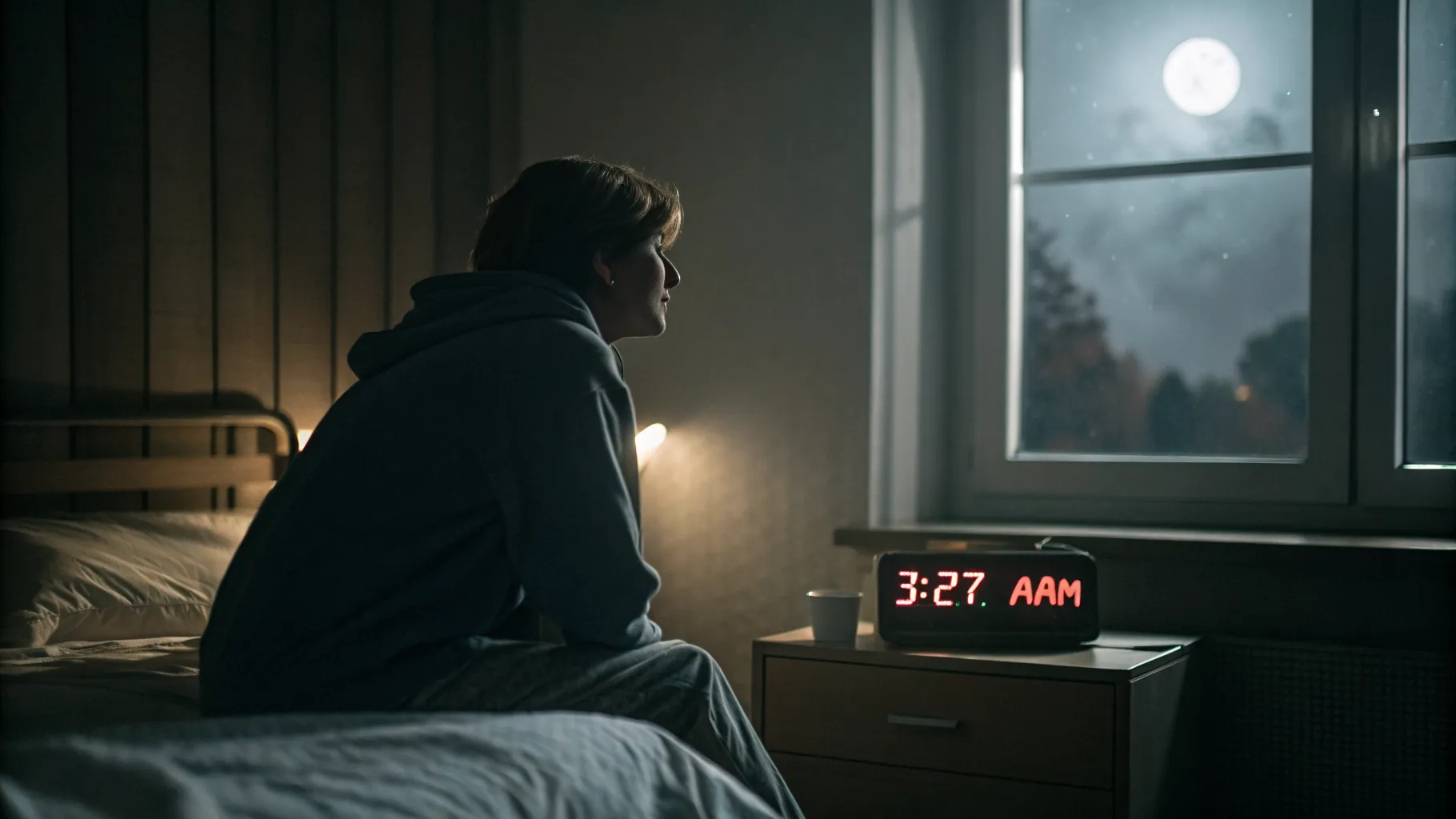
Waking from a deep sleep with an urgent need to use the restroom is a frustratingly common experience for many. This condition, medically known as nocturia, can significantly disrupt sleep quality and overall well-being. Understanding what causes frequent urination at night is the first critical step toward finding relief and reclaiming restful nights. It's not just a minor inconvenience but can often be a signal from your body about underlying lifestyle habits or health conditions that require attention. Exploring the various factors is essential for managing the symptoms effectively.
Common Lifestyle Factors Contributing to Nighttime Urination
Often, the answer to what causes frequent urination at night lies in daily habits. The most significant factor is fluid intake, particularly the timing and type of beverages consumed. Drinking large amounts of any liquid, especially water, juice, or milk, in the hours leading up to bedtime can overload your bladder while you sleep. Additionally, certain beverages act as diuretics, meaning they increase urine production. Caffeine, found in coffee, tea, soda, and chocolate, and alcohol are two of the most common culprits. Consuming them in the late afternoon or evening can directly lead to more trips to the bathroom overnight. A high-salt diet can also contribute, as your body works to flush out excess sodium, pulling water with it and increasing urine volume.
Underlying Medical Conditions Linked to Frequent Urination
While lifestyle is a major contributor, persistent nocturia can be a symptom of an underlying medical issue. It is a key reason many seek to understand what causes frequent urination at night. For instance, a urinary tract infection (UTI) can irritate the bladder, creating a frequent and urgent need to urinate day and night. In men, an enlarged prostate, known as benign prostatic hyperplasia (BPH), can compress the urethra and prevent the bladder from emptying completely, leading to more frequent voids. For both men and women, conditions like diabetes (both type 1 and type 2) can cause excess sugar to be flushed out through the urine, increasing its volume. Other potential medical causes include bladder or kidney stones, overactive bladder (OAB), and even obstructive sleep apnea, which can affect hormone levels that regulate urine production during sleep.
How Age and Hormonal Changes Play a Role
Age is a significant, non-modifiable factor when considering what causes frequent urination at night. As we get older, our bodies produce less of the antidiuretic hormone (ADH), which helps concentrate urine and reduce its volume overnight. This natural decline means the bladder fills more quickly during sleep. Furthermore, the bladder muscle itself can lose elasticity with age, reducing its capacity to hold urine. In women, menopause leads to lower estrogen levels, which can weaken the pelvic floor muscles and affect the lining of the urethra, contributing to increased urgency and frequency. These age-related physiological changes are a primary reason why nocturia becomes more common in middle-aged and older adults.
Practical Strategies to Manage and Reduce Nighttime Urination
Fortunately, there are many actionable steps you can take to manage nocturia. Addressing these can provide significant relief for those struggling with what causes frequent urination at night.
- Limit Fluids Before Bed: Stop drinking all liquids at least two to three hours before you plan to go to sleep. This gives your body time to process the fluids before you lie down.
- Reduce Diuretics: Avoid or significantly limit caffeine and alcohol, especially from the late afternoon onwards. This can dramatically reduce nighttime urine production.
- Elevate Your Legs: If you have fluid retention (edema) in your legs or ankles, elevating them for a few hours in the evening can help your body reabsorb the fluid and excrete it before you go to bed.
- Practice Bladder Training: Consciously try to hold your urine for longer periods during the day. This can help train your bladder to hold more, which can carry over into the night.
- Perform Pelvic Floor Exercises: Kegel exercises can strengthen the muscles that support the bladder and urethra, improving bladder control and reducing urgency.
When to Consult a Doctor About Nocturia
While manageable lifestyle changes can help, it is crucial to know when to seek professional medical advice. If your nighttime urination is accompanied by other symptoms such as pain, burning, fever, or blood in the urine, you should see a doctor promptly. If nocturia begins suddenly, worsens significantly, or consistently disrupts your sleep to the point of causing daytime fatigue and distress, a medical evaluation is warranted. A doctor can help determine the specific reason for what causes frequent urination at night in your case, rule out serious conditions, and recommend targeted treatments, which may include medication, further therapies, or specialist consultations.
Frequently Asked Questions
Is waking up twice a night to urinate considered normal?
Waking up once per night is often considered within the normal range for many adults, especially as they age. However, waking up two or more times per night is clinically defined as nocturia and can significantly impact sleep quality. It's a sign that you should investigate what causes frequent urination at night for your specific situation.
Can stress and anxiety be what causes frequent urination at night?
Yes, psychological factors like stress and anxiety can contribute to an overactive bladder and increased urinary frequency. When you're stressed, your body is in a heightened state of arousal, which can make you more aware of bladder sensations and increase the urge to urinate, even at night.
If I have nocturia, should I stop drinking water entirely in the evening?
You should not stop drinking water entirely, as hydration is crucial for overall health. The key is timing. Concentrate your fluid intake earlier in the day and significantly taper off in the 2-3 hours before bedtime. A few sips of water if you are thirsty or need to take medication is generally fine.
References
- National Institute on Aging studies on nocturia.
- Urology Care Foundation clinical guidelines on overactive bladder.
- Journal of Clinical Sleep Medicine research on sleep apnea and nocturia.
- American Urological Association data on Benign Prostatic Hyperplasia (BPH).