
What Digestive Bloating May Be Linked To: Understanding the Causes
Facts:
- Nearly one in three adults report experiencing regular bloating.
- Rising consumer interest in gut health related bloating is driving new research and solutions.
Decoding the Discomfort: What is Digestive Bloating?
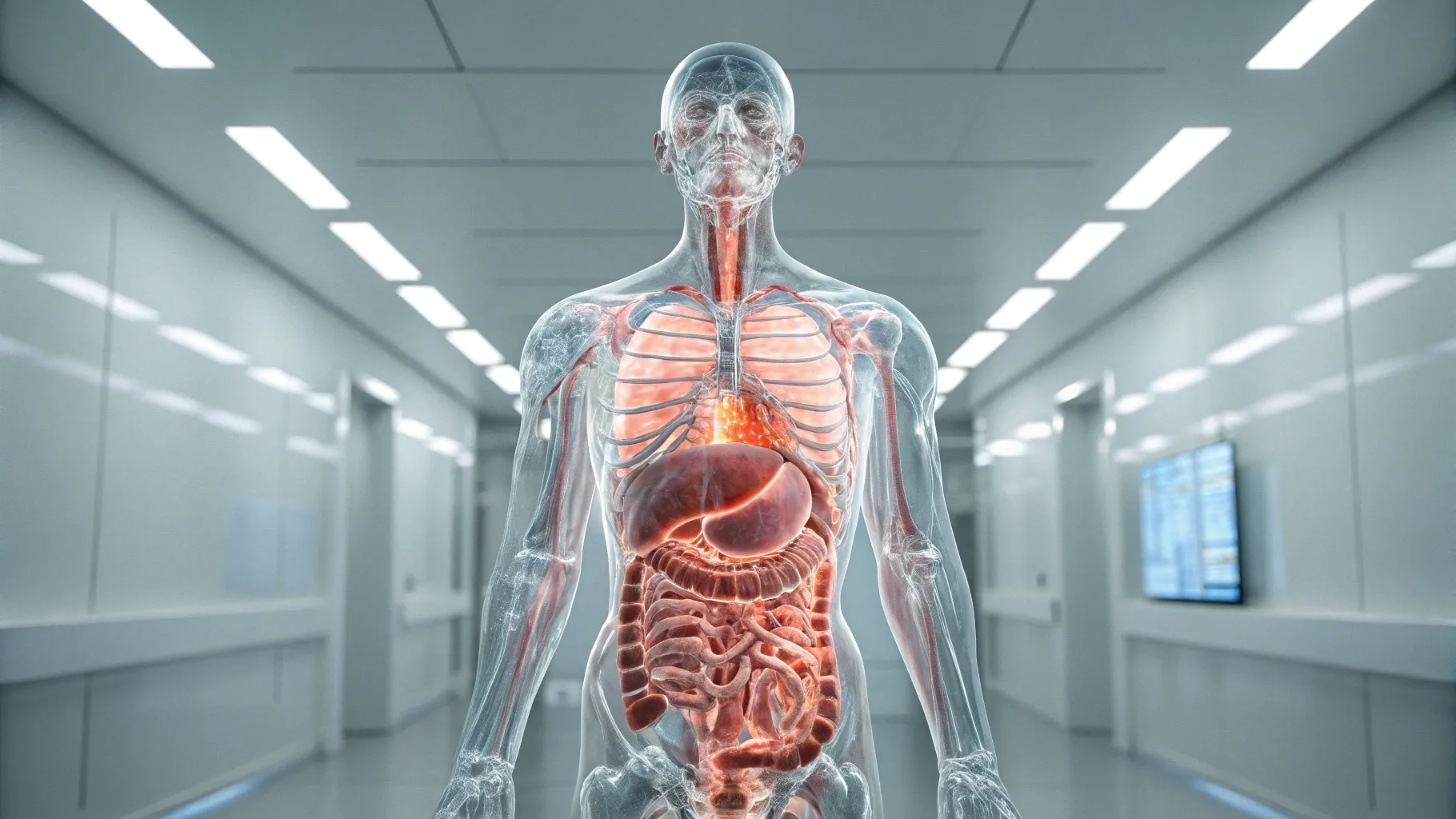
That uncomfortable, tight feeling in your abdomen, often making your stomach look swollen, is a common complaint for many. But what is it really? Understanding what digestive bloating may be linked to is the first step toward finding relief. This condition is more than just feeling full; it often involves excess gas, fluid, or disturbed digestive tract movement. Many people find the causes of digestive bloating to be complex and multifactorial, ranging from diet to underlying health conditions. This guide will delve into the specifics, helping to get the phenomenon of bloating after meals explained in detail.
Common Culprits: Exploring the Primary Causes of Digestive Bloating
When trying to understand what digestive bloating may be linked to, it's essential to look at the most frequent triggers. One of the primary causes of digestive bloating is the accumulation of gas in the gastrointestinal (GI) tract. This can happen from swallowing air while eating too quickly, drinking carbonated beverages, or from the natural breakdown of certain foods by gut bacteria. Foods high in fiber, like beans, lentils, and certain vegetables, can produce more gas during digestion. Furthermore, constipation is a significant factor. When stool moves too slowly through the colon, it allows more time for fermentation and gas production, leading to that swollen feeling. Many people seek to have their bloating after meals explained, and often, the answer lies in these common dietary and lifestyle habits.
When Your Diet is the Enemy: Understanding Food Sensitivities and Bloating
A major piece of the puzzle involves food sensitivities and bloating. Unlike food allergies, which trigger an immune system response, food sensitivities or intolerances cause digestive distress. Lactose intolerance, for example, results from a deficiency in the enzyme needed to digest milk sugar, leading to gas, pain, and bloating. Similarly, fructose malabsorption can cause issues with fruits, honey, and high-fructose corn syrup. Gluten sensitivity, even in the absence of celiac disease, is another common trigger. Identifying these sensitivities is crucial for managing gut health related bloating. Keeping a detailed food diary can help pinpoint which foods are causing the problem, providing clarity on what digestive bloating may be linked to in your specific case. These are often overlooked causes of digestive bloating that require careful attention.
Digestive System Imbalance Signs You Shouldn't Ignore
Persistent bloating can be one of several digestive system imbalance signs. Your gut is a complex ecosystem of bacteria, and when the balance between good and bad bacteria is disrupted—a condition known as dysbiosis—it can lead to a host of problems, including chronic bloating. This is a core component of gut health related bloating. Other digestive system imbalance signs to watch for include irregular bowel movements (diarrhea or constipation), heartburn, unexpected weight changes, and skin irritations like eczema. Conditions like Small Intestinal Bacterial Overgrowth (SIBO), where bacteria from the large intestine overgrow in the small intestine, are a classic example of this imbalance and a primary reason people need bloating after meals explained by a professional. Ignoring these signs can lead to more significant health issues down the line.
Actionable Steps to Alleviate Gut Health Related Bloating
Once you have a better idea of what your digestive bloating may be linked to, you can take proactive steps to find relief. Managing gut health related bloating often involves a combination of dietary changes and lifestyle adjustments.
- Keep a Detailed Food Diary: Track everything you eat and drink, along with your symptoms. This is the most effective way to identify patterns related to food sensitivities and bloating. Note the time you eat and when symptoms appear.
- Increase Probiotic Intake: Consume foods rich in probiotics like yogurt, kefir, and sauerkraut, or consider a high-quality supplement. Probiotics help restore the balance of good bacteria in your gut, addressing one of the key causes of digestive bloating.
- Practice Mindful Eating: Eat slowly, chew your food thoroughly, and avoid talking while eating to reduce the amount of air you swallow. This simple change can make a significant difference for those wanting their bloating after meals explained and resolved.
- Stay Hydrated and Manage Fiber: Drink plenty of water to aid digestion and prevent constipation. While fiber is important, introducing it too quickly can cause bloating. Increase your intake gradually to allow your system to adjust.
Frequently Asked Questions
What are the most common causes of digestive bloating?
The most common causes of digestive bloating include excess gas from diet (like carbonated drinks and high-fiber foods), swallowing air, constipation, and food intolerances such as lactose or gluten sensitivity. Hormonal changes, particularly during the menstrual cycle, can also be a significant factor.
How can I tell if I have food sensitivities and bloating?
Identifying food sensitivities and bloating typically involves an elimination diet. You remove common trigger foods (like dairy, gluten, soy) for a few weeks and then reintroduce them one by one to see if symptoms return. Keeping a detailed food and symptom journal during this process is crucial for accurate results.
What are the key digestive system imbalance signs?
Beyond bloating, key digestive system imbalance signs include chronic gas, heartburn, constipation, diarrhea, stomach cramps, and even non-digestive symptoms like fatigue, skin problems (acne, eczema), and mood swings. These signs suggest that your gut microbiome may be out of balance.
References
- Journal of Gastroenterology and Hepatology: Studies on Bloating and Abdominal Distension.
- American College of Gastroenterology: Guidelines on Irritable Bowel Syndrome and Bloating.
- National Institute of Diabetes and Digestive and Kidney Diseases (NIDDK): Information on Gas in the Digestive Tract.