
What to Know Before Buying Partial Dentures
When you have one or more missing teeth but still have healthy natural teeth remaining, a partial denture can be an effective solution to restore your smile and ability to chew. Navigating the options available can seem complex, with various materials, costs, and fitting processes to consider. Understanding these key aspects can help you make an informed decision that best suits your needs, budget, and long-term oral health.
What Exactly Are Partial Dentures?
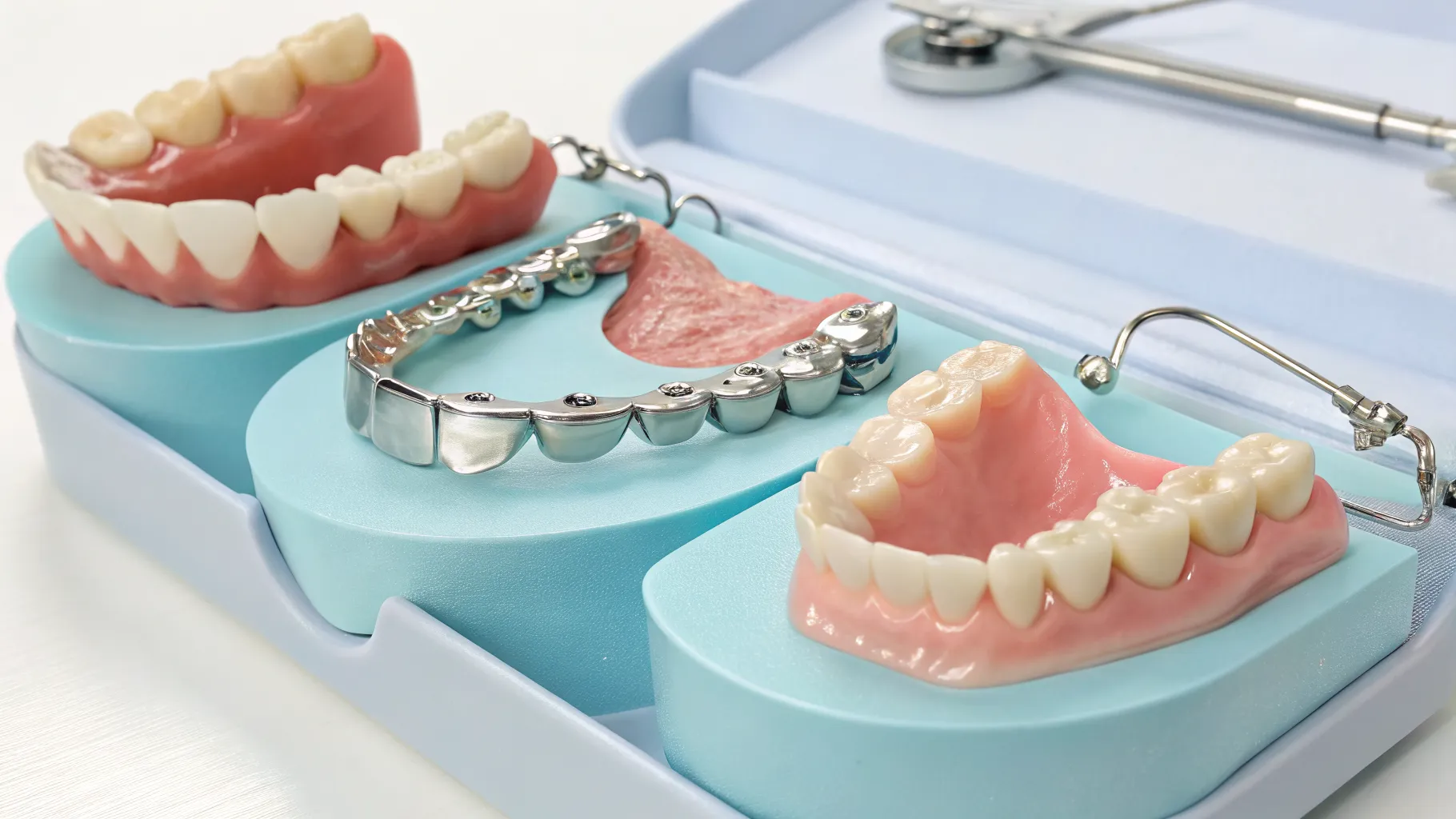
A removable partial denture is a dental appliance that replaces multiple missing teeth in either the upper or lower jaw. Unlike a full denture, which replaces all teeth in an arch, a partial denture is designed to fit around your existing natural teeth. It typically consists of replacement teeth attached to a pink or gum-colored plastic base, which may be connected by a metal framework or made of a more flexible material.
The primary purpose of a partial denture is to fill the gaps left by missing teeth, which helps with chewing and speaking more clearly. It also provides support for your cheeks and lips, preventing a sunken facial appearance. Furthermore, it helps keep your remaining natural teeth from shifting out of position, which can lead to other dental problems over time. They are a common alternative to other tooth replacement options like fixed bridges or dental implants.
Common Types of Partial Dentures
When you explore partial dentures, you will find they are made from several different materials, each with its own set of characteristics. The choice often depends on your specific needs, budget, and the location of the missing teeth.
- Cast Metal Partial Dentures: These are a very common and durable option. They feature a rigid, custom-cast metal framework that holds the acrylic base and replacement teeth. The framework includes metal clasps that grip onto nearby natural teeth for stability. They are known for their strength, durability, and precise fit, though the metal clasps can sometimes be visible.
- Flexible Partial Dentures: Made from a thin, lightweight thermoplastic material like nylon, these dentures offer a comfortable and metal-free alternative. Their flexibility allows them to adapt to the contours of your mouth. The clasps are made from the same pink, gum-colored material, making them virtually invisible and a great aesthetic choice.
- Acrylic Partial Dentures: Often called 'flippers', these are typically the most affordable option. The base is made entirely of acrylic, and it may have wire clasps to help hold it in place. While less expensive, they are also bulkier and less durable than metal or flexible partials. They are often used as a temporary solution while a more permanent appliance is being made.
The Process for Getting Custom-Fitted Dentures
Obtaining a well-fitting partial denture from a dental professional involves several steps to ensure it is comfortable, functional, and looks natural. The process begins with a thorough examination of your mouth. The dentist will assess the health of your remaining teeth, gums, and the underlying bone structure to confirm you are a good candidate for a partial denture.
Following the initial consultation, the dentist will take precise impressions and measurements of your jaws. These impressions are used to create a model of your mouth, upon which the dental laboratory will fabricate your custom denture. You will likely have one or more try-in appointments where you will test a wax version of the denture. This allows the dentist to check the fit, bite, and appearance and make any necessary adjustments before the final denture is created. Once complete, you'll have a final fitting appointment to ensure it is secure and comfortable.
Understanding the Costs Involved
The price of partial dentures can vary significantly based on several key factors. The materials used are a primary driver of cost, with cast metal and high-end flexible partials generally being more expensive than basic acrylic models. The complexity of the denture, including the number of teeth it replaces and the design of the framework, also plays a major role in the final price.
Other elements that influence cost include your geographic location and the specific fees of the dental practice. Dental insurance may cover a portion of the cost, so it is important to check your plan's benefits for removable prosthetics. As a general estimate, an acrylic partial might cost a few hundred to over a thousand dollars, while a cast metal or flexible partial can range from approximately $1,000 to over $3,000 per arch, depending on all these variables.
Considering Mail-Order and Online Options
In the search for affordable dentures, some people explore direct-to-consumer, mail-order options. These services typically provide an at-home impression kit, which you use to create a mold of your mouth and send back to their lab. The company then fabricates and mails the partial denture directly to you, bypassing traditional dental office visits.
While this route may present a lower upfront cost, it comes with considerations. The accuracy of a self-made impression is critical to the fit of the final product, and an improper fit can lead to discomfort, sore spots, and potential damage to your gums or remaining teeth. Without the oversight of a dental professional to make adjustments and assess your oral health, there is a greater risk of complications. It is important to weigh the potential savings against the value of a professional fitting and follow-up care.
Proper Care and Maintenance for Your Dentures
To ensure the longevity of your partial denture and maintain good oral health, proper care is essential. It is important to remove and rinse your denture after eating to wash away food particles. You should also clean it thoroughly at least once a day using a soft-bristled brush and a non-abrasive denture cleanser. Avoid using regular toothpaste, as it can be too abrasive and create microscopic scratches where bacteria can accumulate.
When you are not wearing your partial denture, it should be kept moist to prevent it from warping or drying out. Soaking it in a denture solution or plain water is a common practice. Always handle your denture carefully over a folded towel or a sink full of water to prevent it from breaking if accidentally dropped. Regular dental check-ups are also crucial so your dentist can examine the fit of your denture and the health of your entire mouth.