
What Women Should Know Before Considering Areola Reduction
For many women, the size or shape of their areolas can be a source of self-consciousness. Factors like genetics, pregnancy, breastfeeding, or significant weight changes can alter their appearance. An areola reduction is a surgical procedure designed to address these concerns by reducing the diameter of the areola, the pigmented skin surrounding the nipple. Before moving forward with such a decision, it's essential to be fully informed about every aspect of the procedure.
Understanding Areola Reduction
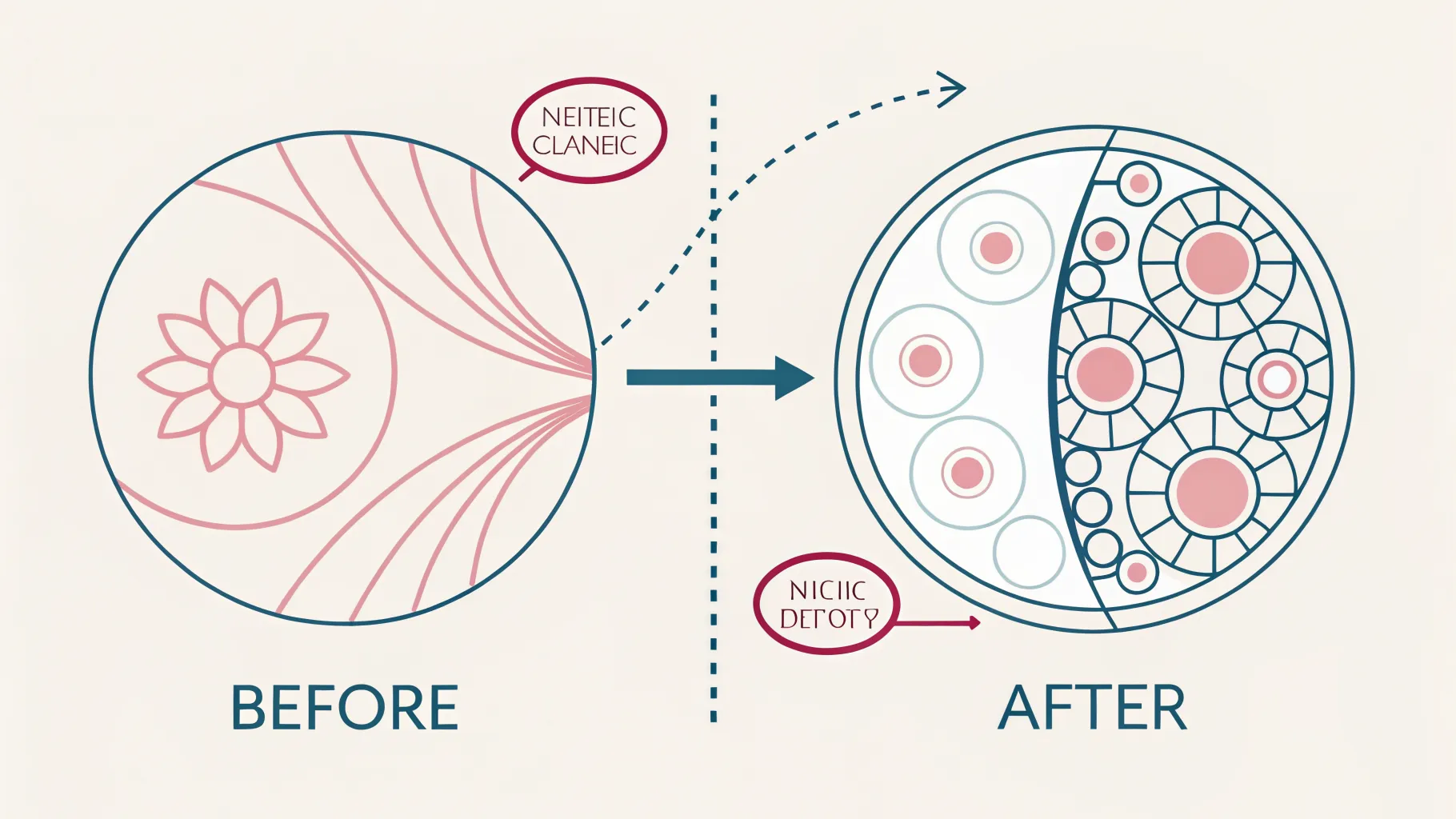
Areola reduction surgery, also known as areola mammoplasty, is a cosmetic procedure that aims to create a more proportionate appearance between the areola and the rest of the breast. It's often performed as a standalone procedure but can also be combined with other breast surgeries like a breast lift, breast reduction, or breast augmentation. The primary goal is to remove a circular section of the pigmented skin from the outer edge of the areola and then suture the remaining skin closer to the base of the nipple.
The reasons women seek this procedure are highly personal. Some may feel their areolas have become stretched or enlarged after childbirth and breastfeeding. Others may have naturally large areolas due to genetics and desire a smaller size that they feel is more aesthetically pleasing. The surgery is tailored to the individual's anatomy and desired outcome, aiming to achieve a natural-looking result that enhances body confidence.
Who is a Good Candidate for This Procedure?
Determining candidacy for areola reduction involves both physical and psychological factors. A good candidate is typically someone who is in good overall health, does not have any active diseases or serious pre-existing medical conditions, and is a non-smoker or is willing to quit well in advance of the surgery. It's also important for individuals to have realistic expectations about the surgical outcome and understand that while the procedure can provide significant improvement, perfect symmetry is not always possible.
Ideal candidates often include:
- Individuals who are bothered by the size of their areolas.
- Women whose areolas have become stretched after pregnancy or weight fluctuations.
- People who have completed their family planning, as future pregnancies can alter the results.
- Those who are at a stable weight and maintain a healthy lifestyle.
- Individuals with the emotional maturity to undergo a cosmetic procedure and understand its limitations and risks.
The Surgical Procedure Explained
The areola reduction procedure is typically straightforward and is often performed on an outpatient basis using local anesthesia with sedation, though general anesthesia may be used in some cases, especially if combined with other surgeries. The most common technique is the 'donut' or circumareolar method. In this approach, the surgeon makes two circular incisions: one around the base of the nipple at the desired new areola size, and another around the current outer edge of the areola.
The ring of pigmented skin between these two incisions is then carefully removed. The surgeon then uses sutures, often dissolvable ones, to bring the outer skin edge inward to meet the new, smaller circle around the nipple. This technique effectively tightens the skin and reduces the overall diameter. The entire procedure usually takes about one to two hours to complete, depending on the complexity and whether other procedures are being performed simultaneously.
Navigating Recovery and Aftercare
The recovery period following an areola reduction is generally manageable. Patients can expect some mild pain, swelling, and bruising in the treated area for the first few days, which can be controlled with prescribed or over-the-counter pain medication. You will be given specific instructions on how to care for the surgical site, including cleaning the area and applying any necessary ointments. A special surgical bra or dressing may be required to support the breasts and minimize swelling.
Most individuals can return to work and light activities within a few days to a week, but strenuous activities, heavy lifting, and intense exercise should be avoided for several weeks as directed by the surgeon. Scars are an inevitable part of any surgery. The incision is made around the border of the new areola, and while the scar will be visible initially, it typically fades significantly over time and is often well-camouflaged by the natural change in skin texture and color around the nipple.
Potential Risks and Complications
Like any surgical procedure, areola reduction carries potential risks and complications that should be carefully considered. While the procedure is generally safe when performed by a board-certified plastic surgeon, it is crucial to be aware of the possibilities. Discussing these risks thoroughly with your surgeon during the consultation will help you make an informed decision.
Some of the potential risks include:
- Changes in nipple or areola sensation, which can be temporary or permanent.
- Scarring that may be more prominent than desired or keloid formation.
- Infection at the incision site.
- Asymmetry in the size or shape of the areolas.
- Difficulty or inability to breastfeed in the future.
- Poor wound healing or skin loss.
Cost Considerations and the Consultation Process
The cost of areola reduction surgery can vary widely based on several factors. These include the surgeon's fee, the cost of the surgical facility, anesthesia fees, and the geographic location of the practice. Since it is almost always considered a cosmetic procedure, it is typically not covered by health insurance. It is important to get a detailed quote during your consultation that includes all associated costs to avoid any surprises.
The initial consultation is a critical step in the process. During this meeting, you will discuss your aesthetic goals with a board-certified plastic surgeon. The surgeon will evaluate your medical history, examine your breasts, and determine if you are a suitable candidate. This is your opportunity to ask questions, view before-and-after photos of previous patients, and get a clear understanding of the procedure, recovery, and potential outcomes. Choosing a qualified and experienced surgeon is the most important factor in ensuring a safe and successful result.