
Why More Women Are Choosing Smaller Areolas
The conversation around body aesthetics is constantly evolving, and one area gaining more attention is the size and shape of the areola. While beauty standards are subjective and personal, many women are now seeking cosmetic procedures to reduce the size of their areolas for a variety of reasons. This decision is often deeply personal, stemming from a desire to feel more confident and comfortable in one's own skin. Understanding the factors driving this choice and the available options is key for anyone considering such a procedure.
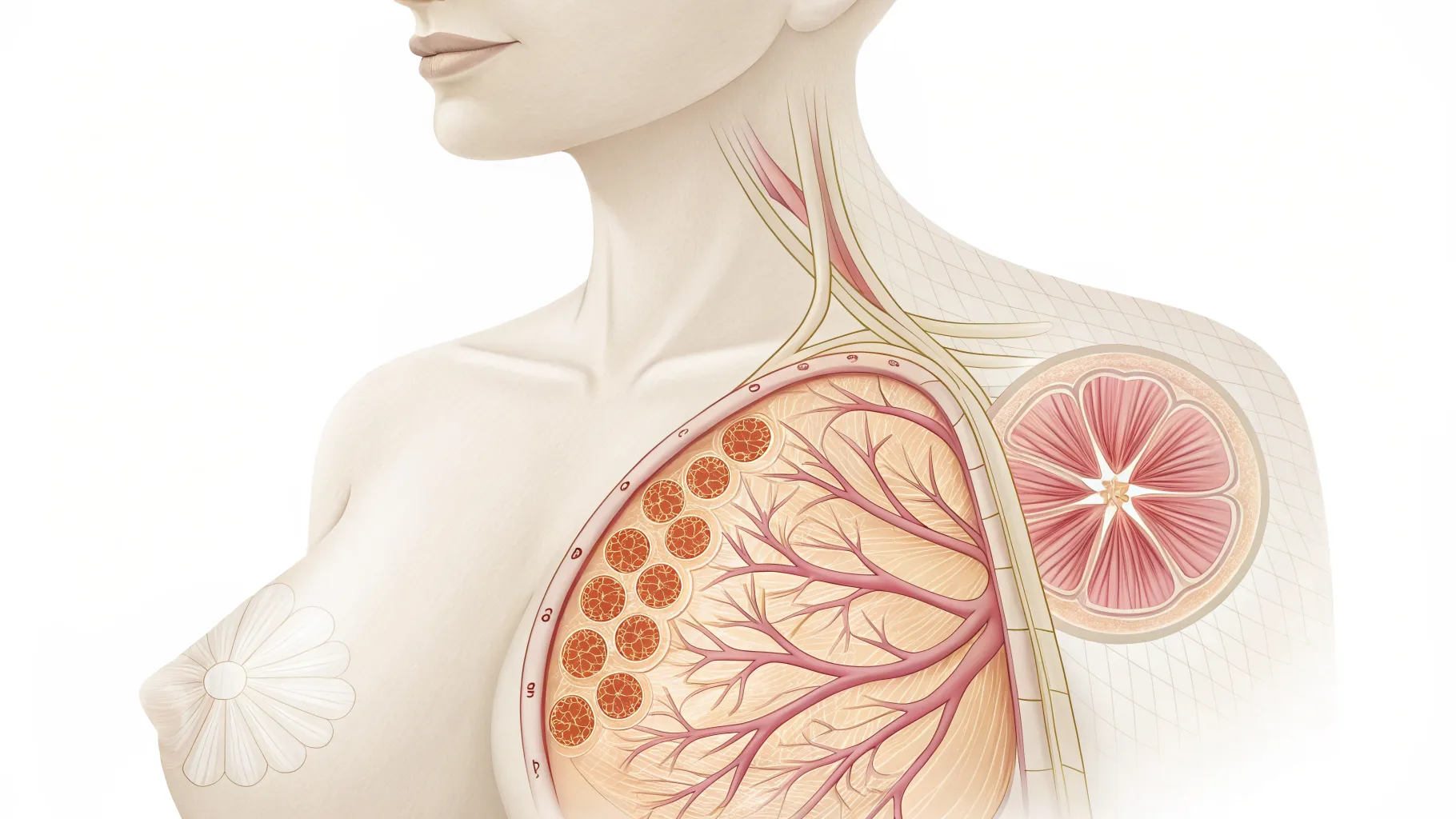
Understanding Areola Anatomy and Variation
The areola is the pigmented, circular area of skin surrounding the nipple. Its primary biological function is related to breastfeeding, as it contains Montgomery glands that secrete a lubricating substance to protect the nipple and skin. The texture, color, and size of areolas can vary dramatically from one person to another. This diversity is completely normal and is influenced by genetics, hormones, and age.
There is no medically defined 'normal' or 'ideal' areola size. What one person considers large, another may not. Areola size can also change throughout a person's life. Hormonal shifts during puberty, pregnancy, and menopause can cause the areolas to darken and enlarge. Similarly, significant weight gain or loss can affect their appearance. This natural variability is an important factor to consider when thinking about aesthetic preferences.
The Influence of Aesthetics and Media
Societal beauty standards, often shaped by media and popular culture, can play a significant role in how individuals perceive their bodies. Historically, certain physical traits are highlighted as more desirable, and this can extend to details like areola size. The widespread availability of images online and in media creates a framework for comparison, which can lead some individuals to feel self-conscious if their body does not align with the prevailing aesthetic.
This increased visibility has led to a greater awareness of the cosmetic procedures available to alter one's appearance. While many people celebrate body diversity, others find that making a specific physical change can greatly improve their self-esteem and body image. The decision to pursue areola reduction is often less about conforming to a trend and more about achieving a personal sense of proportion and satisfaction with one's own body.
Common Reasons for Seeking Areola Reduction
The motivations for wanting smaller areolas are multifaceted and highly personal. While aesthetic preference is a primary driver, several specific circumstances often lead women to consult with a plastic surgeon. These reasons are often tied to physical changes the body has undergone over time.
Some of the most common factors include:
- Post-Pregnancy Changes: Pregnancy and breastfeeding can cause significant stretching and darkening of the areolas, and they may not return to their pre-pregnancy size afterward.
- Weight Fluctuations: Gaining and then losing a substantial amount of weight can leave the skin on the breasts, including the areolas, stretched and enlarged.
- Genetics: Some individuals are simply born with naturally larger areolas, which may feel disproportionate to their breast size.
- Asymmetry: In some cases, one areola may be noticeably larger than the other, and a reduction procedure can create a more symmetrical appearance.
- In Conjunction with Other Surgery: Areola reduction is frequently performed as part of a breast lift (mastopexy) or breast reduction to create a more balanced and aesthetically pleasing final result.
Surgical Options for Areola Reduction
For those who wish to permanently reduce the size of their areolas, a surgical procedure is the only effective option. The most common technique is known as a concentric or 'donut' lift. During this procedure, the surgeon removes a ring of the pigmented areola skin from around its outer edge. A second, smaller circle is marked to indicate the new, desired size of the areola.
After the outer ring of skin is removed, the remaining skin is carefully brought inward and sutured to the new, smaller perimeter. This technique effectively reduces the diameter of the areola while maintaining the nipple's central position. The sutures are typically placed in a way that minimizes visible scarring, with the scar eventually blending into the transition between the pigmented areola and the surrounding breast skin.
What to Expect During and After the Procedure
Areola reduction is typically performed as an outpatient procedure using local anesthesia with sedation or general anesthesia. The surgery itself is relatively quick, often taking about an hour to complete. Recovery is generally straightforward, with most patients experiencing mild swelling, bruising, and discomfort for a few days, which can be managed with prescribed medication.
It is crucial to follow all post-operative care instructions provided by the surgeon to ensure proper healing. This often includes wearing a supportive surgical bra and avoiding strenuous activity for several weeks. While scars are an inevitable part of any surgery, the scars from areola reduction are usually well-hidden around the new border of the areola and tend to fade significantly over time. Potential risks include changes in nipple sensation, infection, and asymmetry, all of which should be discussed thoroughly with a board-certified plastic surgeon during the consultation phase.
Considering the Decision Carefully
Making the decision to undergo any cosmetic surgery requires careful thought and research. It is important for individuals to be clear about their personal motivations and to have realistic expectations about the outcomes. The goal of such procedures should always be to improve personal well-being and self-confidence, rather than to chase a fleeting trend or meet someone else's standard of beauty.
Consulting with a qualified, board-certified plastic surgeon is the most critical first step. An experienced surgeon can assess your individual anatomy, listen to your goals, and explain the benefits and risks associated with the procedure. This professional guidance helps ensure that you are making an informed choice that is right for your body and your overall health.