
Why Smaller Areolas Enhance Attractiveness And Confidence
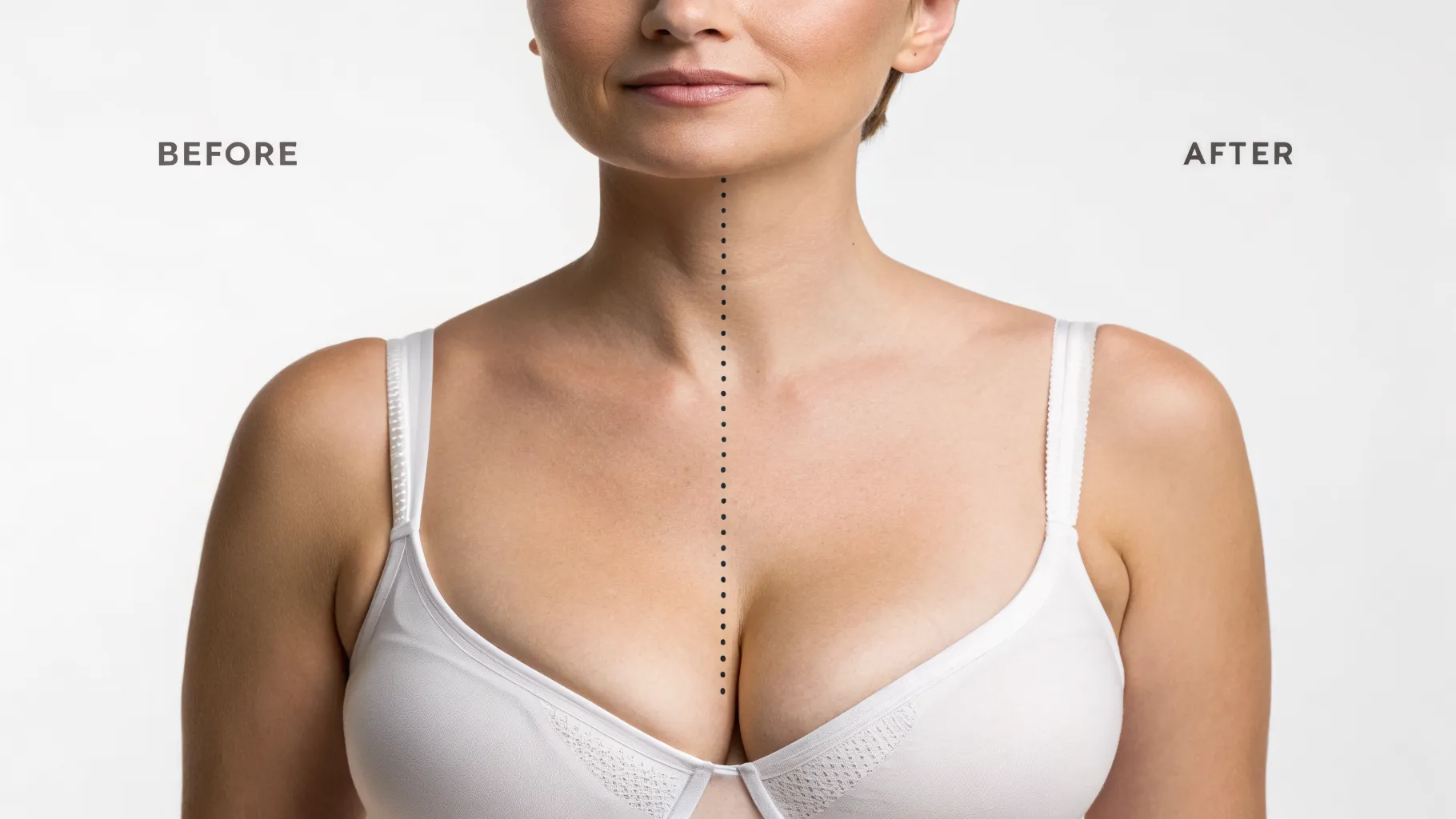
Understanding the Allure of Smaller Areolas
For many, the aesthetics of the breast area are a significant aspect of overall body image. While breast size and shape often take center stage in discussions about cosmetic preferences, the areola—the pigmented skin surrounding the nipple—plays a surprisingly crucial role in the perceived beauty and balance of the chest. Over the years, there has been a growing interest in understanding why smaller areolas attractiveness holds a particular appeal for a considerable segment of the population, both those seeking personal satisfaction and those observing aesthetic trends. This isn't just a fleeting fad; it often stems from deep-rooted perceptions of proportion and refinement.
The concept of beauty is, of course, subjective, but cultural and societal influences often shape our collective understanding of what is considered aesthetically pleasing. In the context of breast appearance, many individuals and aesthetic professionals alike lean towards a more understated and compact areola, believing it contributes to a more youthful and elegant look. This preference underscores a broader desire for harmony and symmetry in bodily features, leading many to explore options that align with these ideals.
The Science and Perception Behind Areola Size Aesthetics
When we talk about areola size aesthetics, we're delving into how the size and shape of the areola interact with the rest of the breast to create an overall visual impression. Visually, a larger areola can sometimes dominate the breast, potentially making the breast itself appear smaller or less defined. Conversely, a smaller, more discreet areola tends to allow the curves and contour of the breast mound to stand out more prominently. This interplay of proportions is critical to how we perceive attractiveness.
From a purely visual standpoint, smaller areolas often create an illusion of greater breast projection and firmness. They can make the entire breast look more compact and perky, characteristics frequently associated with youthfulness. This isn't to say that larger areolas are inherently unattractive, but rather that the visual balance achieved with a smaller areola often aligns more closely with contemporary aesthetic ideals that emphasize subtle elegance and natural-looking proportions. These perceptions are deeply ingrained and contribute significantly to personal body satisfaction.
Defining Ideal Areola Proportions
What exactly constitutes ideal areola proportions? While there's no single universal standard, plastic surgeons and aesthetic experts often refer to certain ratios and measurements when discussing breast symmetry and balance. Generally, an areola that is neither too large nor too small in relation to the breast mound is considered ideal. Many aesthetic guidelines suggest that the areola diameter should typically range from 3.5 to 4.5 centimeters, although this can vary depending on the individual's overall body frame and breast size.
The goal is to achieve an areola that complements the breast rather than overpowering it. For instance, a small breast with a disproportionately large areola might not achieve the desired aesthetic harmony. Similarly, a very large breast with an extremely tiny areola might also appear unbalanced. The key lies in creating a visual flow where the areola acts as an attractive frame for the nipple without drawing excessive attention away from the overall breast shape. Achieving this balance is paramount for many seeking aesthetic refinements.
Realizing Confidence and Body Image Through Aesthetic Changes
For individuals who are self-conscious about the size or shape of their areolas, the psychological impact can be significant. Dissatisfaction with this particular aspect of their body can lead to diminished confidence and body image, affecting everything from clothing choices to intimacy. Feeling comfortable and confident in one's own skin is a cornerstone of well-being, and for some, addressing specific aesthetic concerns like areola size can be a transformative step.
Opting for a procedure to achieve smaller areolas is often driven by a desire for increased self-assurance and a more positive perception of one's body. When individuals feel that their physical appearance aligns more closely with their personal ideals, it can profoundly boost their self-esteem. This newfound confidence can extend beyond personal feelings, positively impacting social interactions and overall quality of life. It’s about feeling truly at ease and proud of one's appearance.
Exploring Areola Reduction Benefits as a Cosmetic Enhancement
Fortunately, for those seeking to adjust their areola size, there are effective cosmetic procedures available. The areola reduction benefits extend beyond mere aesthetics; they encompass a significant improvement in how one feels about their body. This procedure, typically performed by a qualified plastic surgeon, involves carefully removing a small amount of the pigmented skin surrounding the nipple, effectively reducing the areola's diameter.
As a popular cosmetic enhancement for chest area, areola reduction offers several advantages. Patients often report a more proportionate breast appearance, a greater sense of balance, and a more youthful contour. The procedure is generally straightforward and can be performed under local anesthesia in many cases, offering a relatively quick recovery period. The results are typically permanent, providing long-lasting satisfaction for those who choose this path to refine their breast aesthetics and enhance their overall body confidence.
What to Expect: Considering the Price for Areola Reshaping
When contemplating any cosmetic procedure, understanding the financial aspect is a natural and important consideration. The price for areola reshaping can vary widely depending on several factors, including the surgeon's experience and reputation, the geographical location of the clinic, the complexity of the procedure, and whether it's performed in conjunction with other breast surgeries, such as a breast lift or augmentation. As of December 2025, typical costs for isolated areola reduction can range significantly.
It's crucial for prospective patients to schedule a consultation with a board-certified plastic surgeon. During this meeting, the surgeon will assess individual needs, discuss desired outcomes, and provide a detailed breakdown of the costs involved, including surgeon's fees, anesthesia fees, and facility charges. While cost is a factor, prioritizing the surgeon's expertise and safety record should always be paramount to ensure the best possible results and a positive experience.
References:
https://www.plasticsurgery.org/news/blog/what-is-areola-reduction-surgery
https://www.ncbi.nlm.nih.gov/pmc/articles/PMC3934336/