
Why Some Women Choose Areola Reduction for Better Proportion
The appearance of one's breasts is a personal matter, and for some women, the size of their areolas can be a source of self-consciousness. An areola reduction is a cosmetic surgical procedure designed to decrease the diameter of the areola, the pigmented skin surrounding the nipple. The goal is to create a look that the individual perceives as more proportionate to their breast size and overall physique.
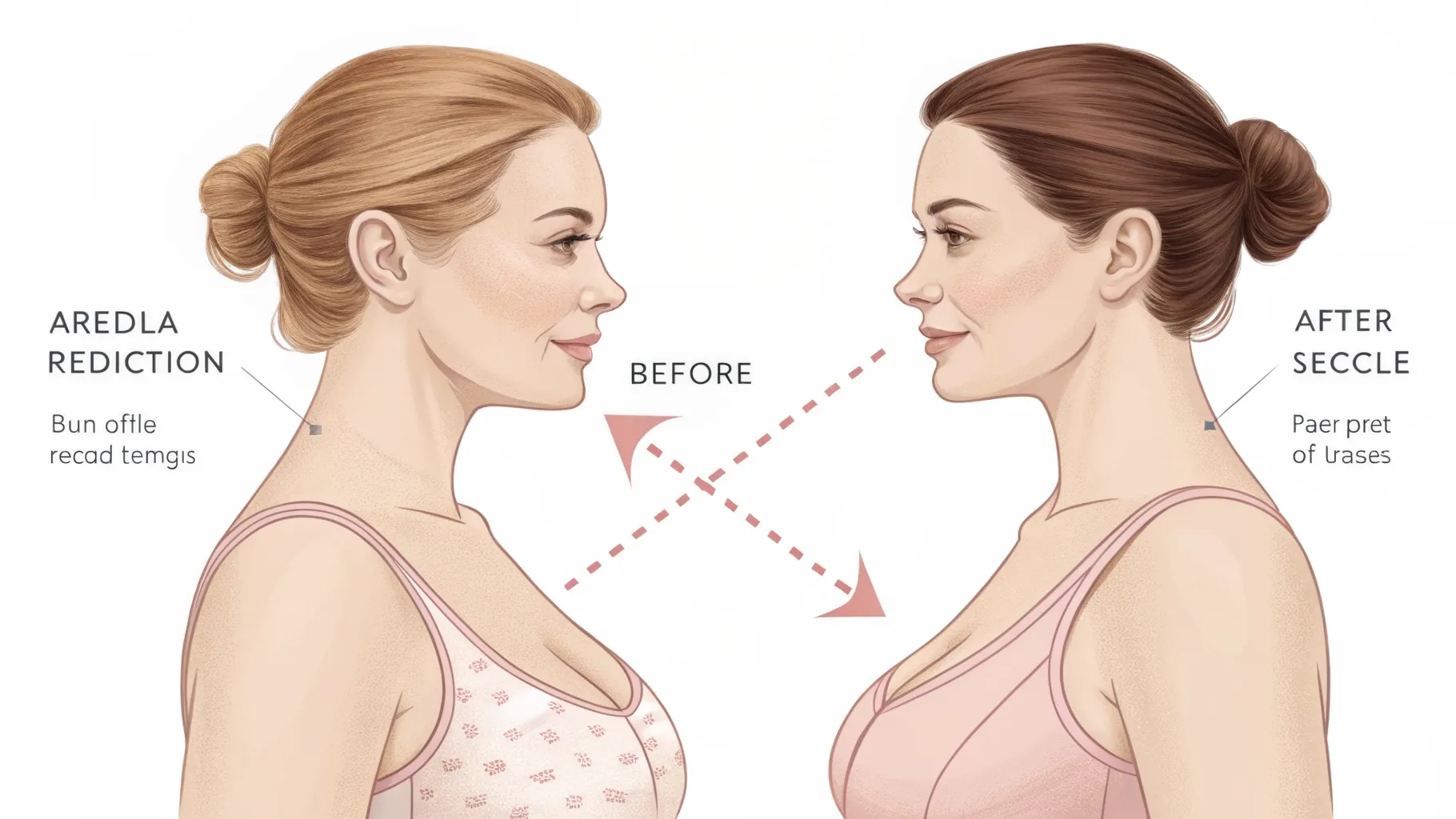
What Is Areola Reduction Surgery?
Areola reduction, technically known as areola mammaplasty, is a surgical procedure that reduces the size of the areolas. It is typically performed on an outpatient basis and is considered a relatively straightforward cosmetic procedure. The surgeon removes a ring of pigmented skin from the outer perimeter of the areola and then uses fine stitches to secure the remaining skin to the new, smaller border. This technique effectively tightens the skin and reduces the overall diameter.
This surgery can be performed as a standalone procedure for individuals who are generally happy with their breast size and shape but wish to alter their areolas. However, it is also commonly combined with other breast surgeries. For instance, it is often performed in conjunction with a breast lift (mastopexy) or a breast reduction, as these procedures often involve reshaping the entire breast mound, making it an ideal time to adjust areolar size for a cohesive result.
Motivations for Seeking the Procedure
The primary motivation for most women seeking areola reduction is aesthetic. They may feel that their areolas are disproportionately large for their breast size, leading to feelings of dissatisfaction with their appearance. This can be a lifelong concern due to genetics, or it can develop over time. The goal is to achieve a sense of balance and harmony that aligns with their personal body image.
Several factors can contribute to enlarged areolas. Hormonal changes during puberty, pregnancy, and breastfeeding can cause the areolas to stretch and darken. Significant weight fluctuations can also affect their size. In other cases, asymmetry, where one areola is noticeably larger than the other, can be a reason for seeking surgical correction. The procedure aims to address these concerns by creating smaller, more symmetrical areolas.
The Surgical Process Explained
The most common technique for areola reduction is the 'donut' or 'circumareolar' incision. During this procedure, the surgeon makes two circular incisions. The first is made around the existing border of the areola, marking the desired new size. The second, larger incision is made around the outer edge of the current areola. The ring of skin between these two circles is then carefully removed.
Once the excess skin is excised, the surgeon brings the outer skin towards the new areolar border. A special suturing technique, often called a 'purse-string' suture, is used to gather the skin and minimize tension, which helps in creating a less noticeable scar. The stitches are placed meticulously around the edge of the new areola. The entire procedure is usually performed under local anesthesia with sedation, though general anesthesia may be used in some cases, particularly if combined with other surgeries.
Recovery and Post-Procedure Expectations
The recovery period following an areola reduction is typically manageable. Patients can expect some swelling, bruising, and mild discomfort in the initial days, which can be controlled with prescribed or over-the-counter pain medication. Most individuals are able to return to desk jobs and light daily activities within a few days to a week. Strenuous activities, heavy lifting, and intense exercise should be avoided for several weeks as directed by the surgeon.
Scars are an inevitable part of any surgery. The incision is strategically placed around the border of the areola, where the change in skin texture and color can help camouflage it over time. Initially, the scar will appear red and raised, but it should fade and flatten over many months to a year. Following all post-operative care instructions, such as proper wound care and sun protection, is crucial for optimal healing and minimizing the scar's appearance.
Potential Risks and Important Considerations
Like any surgical procedure, areola reduction carries potential risks. General surgical risks include the possibility of infection, bleeding, hematoma (a collection of blood under the skin), and adverse reactions to anesthesia. Choosing a qualified, board-certified plastic surgeon and a reputable surgical facility helps to minimize these risks significantly.
There are also risks specific to this type of surgery. Changes in nipple and areola sensation are common, and while this is often temporary, in rare cases, it can be permanent. Other potential complications include poor scarring, asymmetry, or a slight change in the shape of the areola. For women who plan to have children, it is important to discuss the potential impact on breastfeeding with the surgeon, as the procedure can sometimes affect the milk ducts.
Choosing a Qualified Plastic Surgeon
The success of an areola reduction procedure heavily depends on the skill and experience of the surgeon. It is essential to conduct thorough research and select a board-certified plastic surgeon. Board certification indicates that the surgeon has undergone extensive training and has met high standards of patient safety and surgical excellence. Look for a surgeon who specializes in breast procedures and has a strong portfolio of results.
The consultation is a critical step in the process. This is the opportunity to discuss your goals, ask questions, and get a feel for the surgeon and their staff. A responsible surgeon will provide a realistic assessment of what can be achieved, explain the procedure in detail, and openly discuss all potential risks and benefits. Be sure to ask to see before-and-after photos of previous patients who have had the same procedure to evaluate the surgeon's aesthetic style.