
Exploring Cosmetic Areola Trends for Women Over 40
Cosmetic tattooing has expanded far beyond traditional makeup applications. A growing area of interest, particularly for women over 40, is cosmetic areola pigmentation. This procedure, often referred to as paramedical tattooing, offers solutions for both aesthetic enhancement and post-surgical restoration, blending artistry with technical skill.
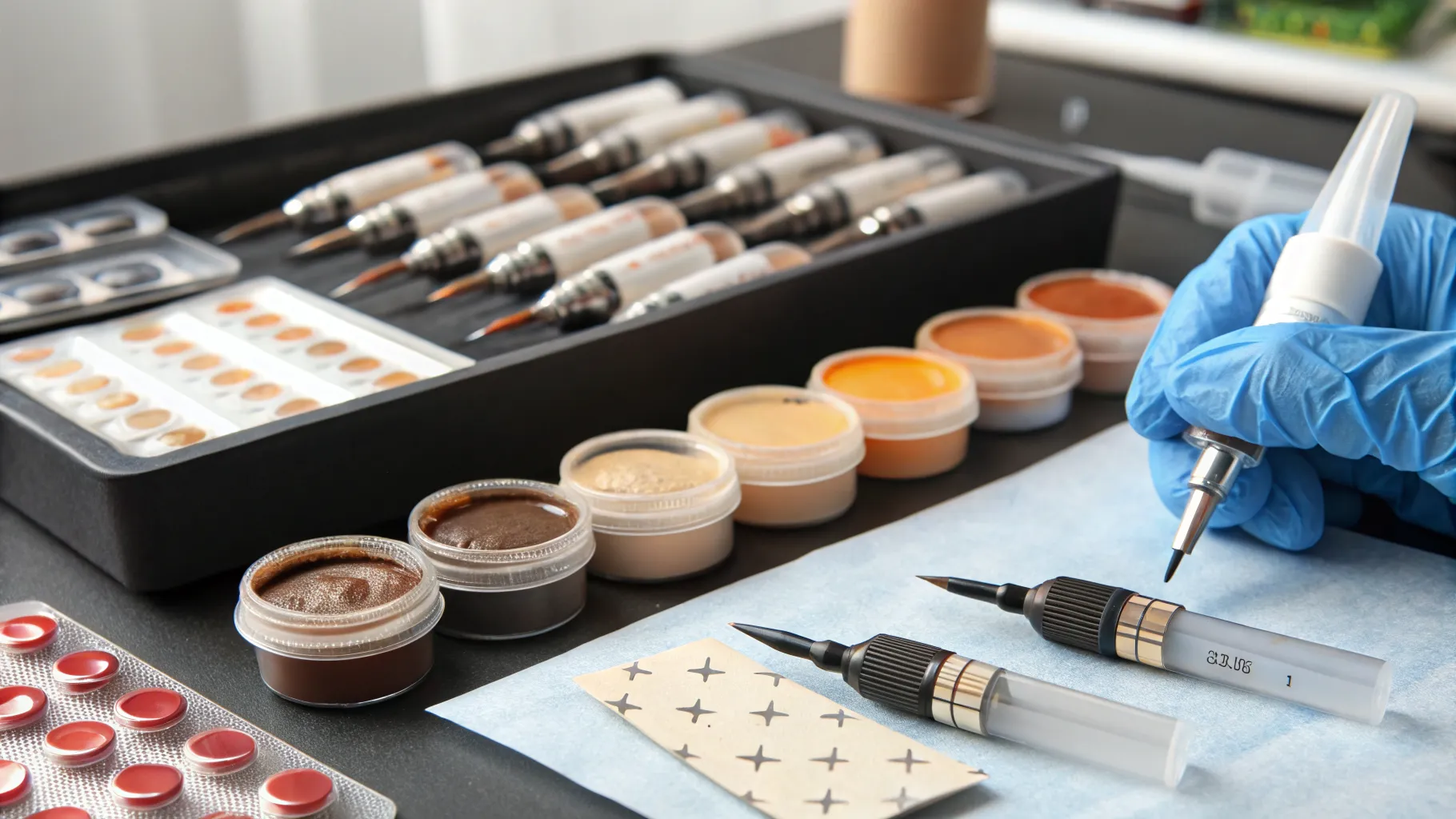
What is Cosmetic Areola Pigmentation?
Cosmetic areola pigmentation is a specialized form of tattooing that involves implanting pigment into the skin of the areola, the darker area surrounding the nipple. The primary goal is to create, enhance, or restore the appearance of the areola and nipple complex. Unlike decorative body tattoos, this procedure focuses on achieving a natural and realistic look that complements the individual's skin tone and body shape.
This technique is utilized for a variety of reasons. It can be purely cosmetic, aimed at adjusting the color, size, or shape of the existing areolas. It is also a critical final step in breast reconstruction for many who have undergone mastectomies, creating the illusion of a nipple and areola where there is none. The skill involved is significant, requiring a practitioner with a deep understanding of color theory, skin anatomy, and advanced shading techniques.
Why Women Over 40 Consider This Procedure
The motivations for exploring areola pigmentation after 40 are diverse and deeply personal. As the body changes due to aging, childbirth, and other life events, many women seek ways to restore or enhance their appearance in a way that feels right for them. These changes can affect skin elasticity and pigmentation, sometimes altering the look of the areolas.
Common reasons include:
- Post-Surgical Reconstruction: For breast cancer survivors who have had a mastectomy and reconstruction, 3D areola tattooing is often the final, emotionally significant step in their recovery journey.
- Cosmetic Surgery Refinements: Procedures like breast lifts, augmentations, or reductions can leave scars around the areola or alter its shape and size. Pigmentation can help camouflage scarring and redefine the borders.
- Correcting Asymmetry: Many people have naturally asymmetrical areolas. Tattooing can create a more balanced and symmetrical appearance.
- Fading or Lightening: Over time, the natural pigment of the areola can lighten. Cosmetic tattooing can restore color and definition.
Popular Trends in Areola Aesthetics
The overarching trend in modern areola pigmentation is naturalism. The goal is rarely to create a dramatic or artificial look, but rather to replicate or enhance what would naturally be there. Practitioners work meticulously to custom-blend pigments that perfectly match the client's skin tone and desired outcome, often using multiple shades to create depth and dimension.
Trends focus on subtlety and realism. This includes creating soft, diffused borders rather than stark, sharp lines, which can look unnatural. Size and placement are also carefully considered to ensure the final result is in proportion with the breast and the individual's overall frame. The emphasis is on a bespoke approach, tailored entirely to the client's unique anatomy and aesthetic goals.
The Art of 3D Areola Tattooing
One of the most significant advancements in this field is 3D areola tattooing. This is not about creating a physically raised surface but about using artistic techniques to create a convincing optical illusion of a three-dimensional nipple and areola. This is especially transformative for individuals who have had breast reconstruction and do not have a surgically created nipple bud.
A skilled artist uses a sophisticated application of color, shadow, and highlight to mimic the natural protrusion and texture of a nipple. By layering different pigments and using fine-needle work, they can create the appearance of depth, wrinkles, and even Montgomery glands (the small bumps on the areola). The result can be incredibly realistic, restoring a sense of wholeness and confidence.
How to Choose a Qualified Practitioner
Selecting the right artist is the most critical step in the process. This is a highly specialized skill that goes beyond standard cosmetic tattooing. When researching practitioners, look for someone who has specific training and certification in paramedical or areola tattooing. Their professional environment should be clean, sterile, and adhere to all health and safety regulations, just like a medical clinic.
Always ask to see a portfolio of their work, paying close attention to photos of healed results, as the color can change during the healing process. A reputable artist will offer a thorough consultation to discuss your goals, explain the procedure, and perform a patch test to check for any allergic reactions to the pigments. Do not hesitate to ask about their experience, particularly with cases similar to yours.
The Procedure and Aftercare Process
The process begins with a detailed consultation. During the appointment, a topical anesthetic is typically applied to numb the area and ensure comfort. The practitioner will then map out the desired shape and size before proceeding with the tattooing, which can take one to two hours per side. Most people report minimal discomfort during the procedure itself.
Aftercare is crucial for proper healing and pigment retention. The artist will provide specific instructions, which usually involve keeping the area clean and dry for a period and applying a special ointment. It is important to avoid swimming, saunas, and direct sun exposure on the area for several weeks. The color will appear darker initially and will soften to its final shade over the next four to six weeks. A follow-up appointment is often required to perfect the color and shape.