
Taking Control: Your Guide to a Reliable Online Anxiety Test for Adults
Fast Facts:
- First Step: A quick, confidential way to assess symptoms.
- Digital mental health tools are increasingly popular among adults seeking initial guidance.
How to Navigate and Understand Your Results from an Online Anxiety Test
In today's fast-paced world, feelings of unease and worry are common. However, when these feelings become persistent and overwhelming, it might be time to seek clarity. A confidential and accessible online anxiety test for adults serves as a valuable preliminary tool to help you gauge your symptoms and understand if they align with common anxiety disorders. This initial step can empower you to make informed decisions about your mental well-being and decide on the next steps, whether that involves self-care strategies or seeking professional help.
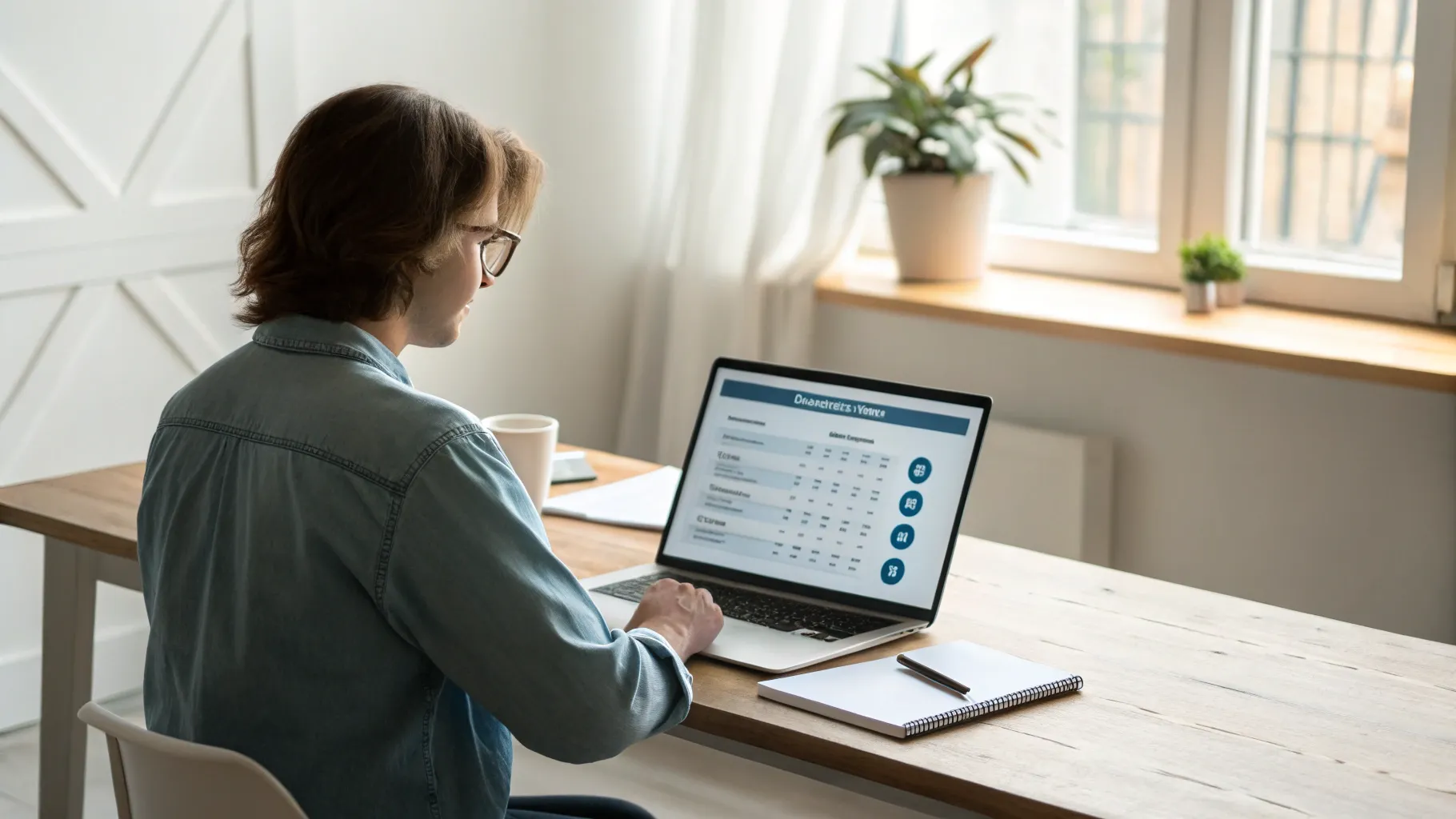
What Do These Tests Actually Measure?
Clinically-informed screening tools are designed to evaluate the frequency and severity of common anxiety symptoms. They typically ask questions related to emotional and physical indicators, such as feeling nervous or on edge, not being able to stop or control worrying, having trouble relaxing, and experiencing physical symptoms like a racing heart or restlessness. The goal is to provide a score that corresponds to different levels of anxiety severity—from mild to severe—which can help you and a healthcare professional better understand your experience.
Not All Online Tests Are Created Equal: What to Look For
When searching for an online anxiety test for adults, it is crucial to choose a credible source. Look for tests provided by reputable mental health organizations, universities, or healthcare systems. These are often based on scientifically validated questionnaires like the GAD-7 (Generalized Anxiety Disorder 7-item scale). Be wary of simple quizzes on entertainment websites, as they lack clinical backing. A trustworthy test will be transparent about its purpose as a screening tool, not a diagnostic one, and will prioritize your privacy.
After the Test: Your Next Steps to Well-Being
Receiving the results from an online test is just the beginning. The information gained should be used as a catalyst for action. Here are some constructive steps you can take after completing a self-assessment:
- Review the Results Calmly: Remember, a test is a snapshot, not a definitive diagnosis. Use the score as a guide to understand your current emotional state.
- Consult a Professional: The most important step is to share your results with a doctor or a licensed mental health therapist for a formal evaluation and personalized advice.
- Explore Self-Care Techniques: Regardless of the score, incorporating mindfulness, regular physical activity, and healthy sleep habits into your routine can significantly improve well-being.
- Seek Reputable Information: Use trusted sources like the National Institute of Mental Health (NIMH) to learn more about anxiety and its management.
Frequently Asked Questions
Are online anxiety tests accurate?
Reputable online screening tools, often based on clinical questionnaires like the GAD-7, can be a reliable indicator of symptoms. However, they are not a substitute for a professional diagnosis from a healthcare provider.
Is my privacy protected when I take an online test?
Always choose tests from trusted mental health organizations or healthcare websites that have a clear privacy policy. Avoid sites that ask for excessive personal information before providing results.
What is the best online anxiety test for adults?
While we cannot recommend one specific test, look for those used or recommended by clinical psychologists or national health institutions. The GAD-7 (Generalized Anxiety Disorder 7-item scale) is a widely recognized and validated screening tool.
References
- National Institute of Mental Health (NIMH) - Anxiety Disorders.
- American Psychiatric Association - Diagnostic and Statistical Manual of Mental Disorders (DSM-5).
- World Health Organization (WHO) - Mental health resources.