7 Nights in Mérida: Flights from Toronto and Hotel Options
Mérida, the capital of the Mexican state of Yucatán, has become a notable destination for travelers looking to experience colonial architecture, Mayan history, and culinary traditions. Planning a seven-night stay in this region often begins with navigating the logistics of travel from Toronto, Canada, and understanding the variety of lodging options available within the city and surrounding areas.
Flight Connectivity Between Toronto and Mérida
Travelers flying from Toronto Pearson International Airport to Mérida typically look for routes that minimize transit time. Because there are currently few, if any, direct flights between these two cities, most itineraries involve a connection through a major hub. Common transit points for this route include Mexico City, Houston, or Dallas, where international flights transition to regional carriers serving Mérida International Airport.
Flight Duration and Scheduling
The total travel time from Toronto to Mérida can vary significantly based on the length of the layover. A direct flight segment might take four to five hours, but when factoring in the connection, the entire journey often lasts between eight to twelve hours. It is common for travelers to monitor the flight schedules of major North American carriers, as the frequency of flights into Mérida often shifts between the peak winter travel season and the warmer summer months.
Hotel Categories in Mérida
Lodging in Mérida is diverse, ranging from restored historic mansions in the city center to modern chain hotels located along the outskirts. The city is known for its blend of traditional hospitality and contemporary amenities, and selecting a place to stay usually depends on whether the preference is for proximity to the central plazas or a quieter, more isolated environment.
Boutique Hotels and Colonial Estates
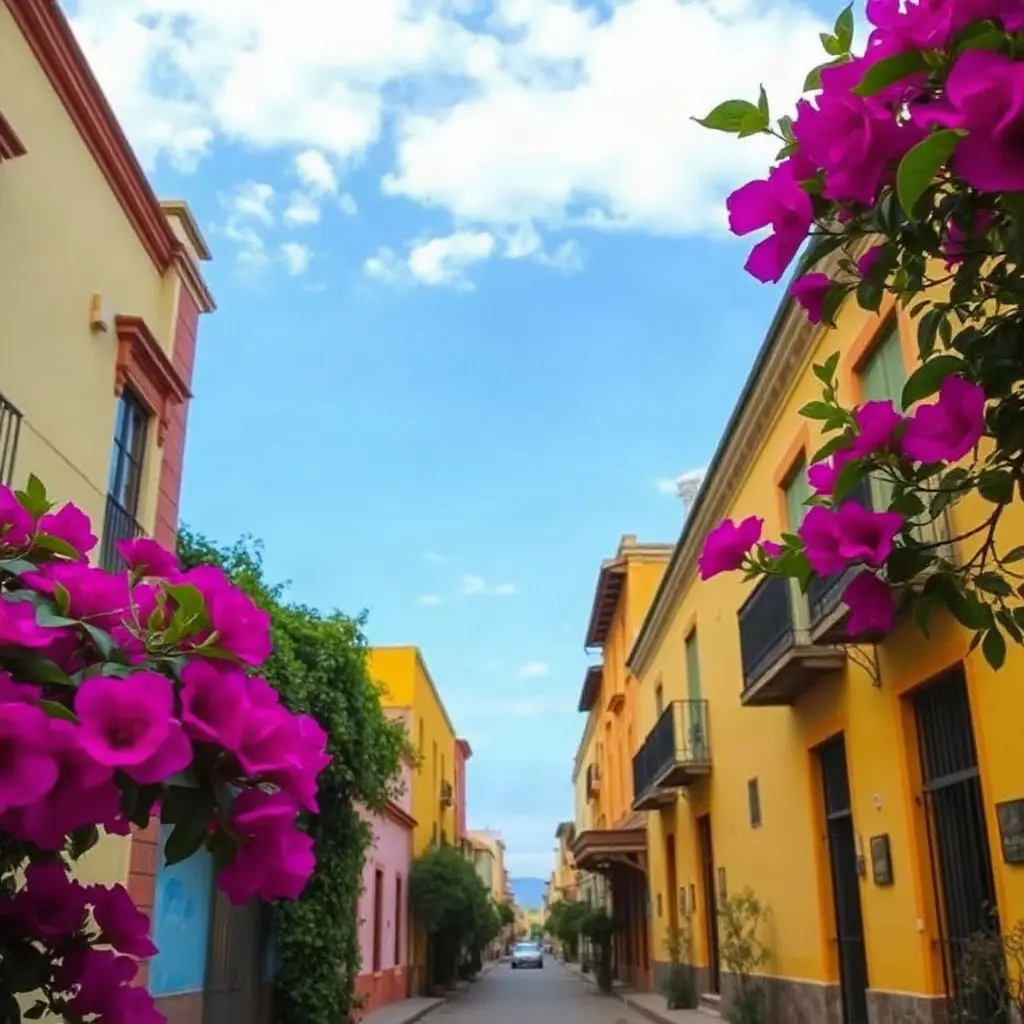
Many visitors gravitate toward the historic center, known as the Centro Histórico. Here, the architectural style often features high ceilings, courtyard gardens, and original tile work. These boutique properties typically operate on a smaller scale, offering a more personalized experience. Prices for these accommodations vary widely, often ranging from $120 to $300 CAD per night, depending on the level of restoration, the inclusion of amenities like swimming pools, and the season.
Budgeting for a Week-Long Stay
A seven-night trip to Mérida involves a variety of costs that fluctuate based on individual travel styles. Beyond the initial expense of airfare, which is often the most significant single line item, travelers must account for local transportation, dining, and daily activities. Airfare from Toronto to Mérida can range from approximately $600 to $1,200 CAD, influenced heavily by how far in advance the tickets are secured and the time of year.
Daily expenses within Mérida remain relatively stable for most visitors. Mid-range hotels generally cost between $80 and $200 CAD per night, though luxury properties can exceed this range. When calculating a budget, it is helpful to set aside funds for excursions to nearby Mayan archaeological sites like Chichén Itzá or Uxmal, as well as transportation costs, which include local taxis, ride-sharing services, or rental cars.
Proximity to Tourist Attractions
Choosing a base of operations for a week-long stay often involves weighing the benefits of being in the heart of the city versus being closer to regional attractions. Staying in the Centro Histórico allows for walking access to museums, theaters, and local markets, which reduces the need for constant taxi usage. The city layout is based on a grid system, making it relatively straightforward to navigate.
Conversely, some travelers prefer staying in hotels located along the Paseo de Montejo, a long boulevard lined with trees and grand architecture. This area provides a balance between heritage and modern conveniences like restaurants and cafes. Those interested in beach access often consider day trips to the Gulf of Mexico, specifically the coastal town of Progreso, which is about a 45-minute drive north of Mérida.
Seasonal Factors and Local Weather
The time of year selected for a trip to Mérida has a direct impact on both the travel experience and the overall cost. The region experiences a tropical climate, with a distinct hot season from March to May and a rainy season that usually peaks between June and October. Many travelers from Toronto find the cooler, drier months between November and February to be the most comfortable for outdoor activities.
It is important to note that hotel pricing often correlates with these seasons. During the height of winter, when demand is high, availability can decrease and prices may lean toward the higher end of the typical spectrum. During the shoulder seasons or the intense heat of late spring, some properties may adjust their daily rates to account for lower visitor numbers, though it is standard practice to verify the local weather forecast before finalizing travel dates.
Navigating Local Logistics and Amenities
Regardless of where a visitor chooses to stay, Mérida is a city that rewards those who plan for local movement. While the city center is pedestrian-friendly, seeing the wider region often requires a vehicle. Rental cars are readily available at the airport and within the city, providing the flexibility to explore cenotes or distant ruins at a personal pace.
When selecting a hotel, it is beneficial to look for common amenities that enhance a week-long stay. Many visitors prioritize properties with air conditioning, which is essential given the regional climate, as well as complimentary Wi-Fi and on-site dining options. Checking whether a property offers secure parking is also a practical step for those planning to rent a car, as street parking in the older, narrow streets of the city center can be limited and challenging to manage.