3-night Buxton spa break: hotels, meals and thermal pool options
A 3-night Buxton spa break combines a stay in one of England’s historic spa towns with time for thermal bathing, treatments, meals and walks in the Peak District. The experience can vary considerably depending on whether spa access is part of the hotel stay, arranged separately or limited to a day visit.
Why Buxton suits a three-night spa stay
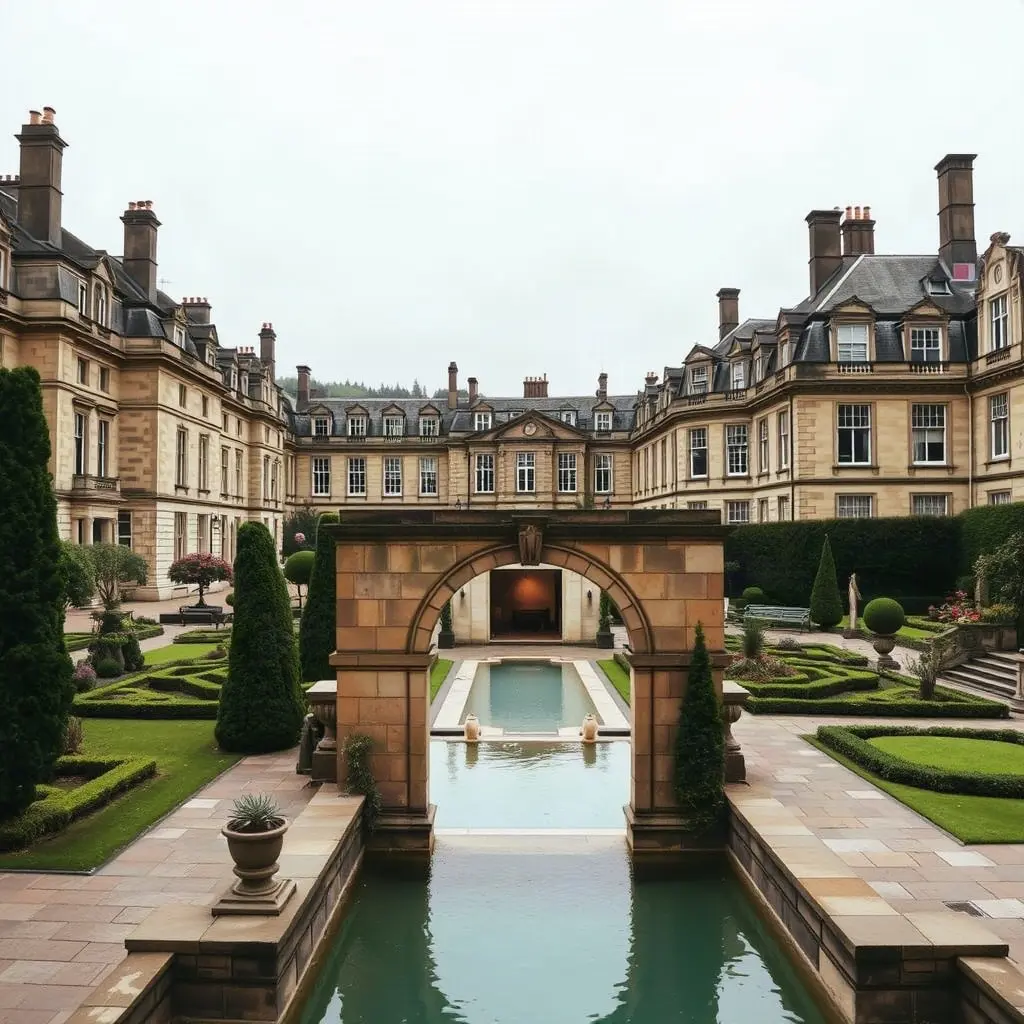
Buxton is known for its Georgian architecture, mineral water heritage and location on the edge of the Peak District. The town centre is compact, with the Pavilion Gardens, Buxton Opera House, the Crescent and public gardens within walking distance of many accommodation areas. This makes it possible to combine spa time with sightseeing without relying on a car for every activity.
Three nights gives a little more flexibility than a short overnight visit. The first day can be used for arrival and settling in, while the middle day allows a longer period at a spa or a walk beyond the town. The final morning may suit a relaxed breakfast and a brief visit to the gardens or local shops before departure. Weather, treatment times and the location of the hotel can all affect the pace.
Hotel types found in Buxton
Accommodation for a spa break in Buxton generally falls into several categories. Historic town-centre hotels may occupy period buildings close to the Crescent and Opera House, while larger country-house properties are more likely to have extensive grounds and on-site leisure facilities. Smaller guesthouses and modern inns can provide a quieter base, although they may not have a thermal pool or treatment rooms.
A hotel with its own spa is not automatically the same as a hotel with a thermal pool. Some properties have a swimming pool, sauna, steam room and gym but use ordinary treated water rather than naturally heated mineral water. Others may offer treatment rooms and relaxation areas while directing guests to a separate thermal facility. The distinction matters when bathing is the main reason for the trip.
- Town-centre hotels are convenient for restaurants, heritage buildings and evening entertainment.
- Country properties often provide more outdoor space and may have larger leisure complexes.
- Guesthouses can suit travellers who prefer a smaller setting but may offer accommodation only.
- Self-contained apartments provide kitchen facilities, with meals arranged independently.
Understanding Buxton’s thermal pool options
Buxton’s spa identity comes from its mineral springs, but the presence of naturally sourced water does not mean every pool in the area is a thermal pool. A thermal facility usually refers to a pool or bathing area supplied with heated mineral water, or designed around the traditions of therapeutic bathing. Modern venues may combine this with steam rooms, saunas, relaxation areas and treatment services.
One recognised option is the spa within the Buxton Crescent complex, where access arrangements can depend on the type of visit, treatment schedule and current operating arrangements. Some hotels also have spa facilities of their own, while others may have links with nearby venues without including admission in the room rate. Public leisure centres in the wider area can provide swimming and wellness facilities, but these should not automatically be described as thermal bathing.
Access can be organised in different ways:
- A hotel stay may include a scheduled period in the spa, rather than unlimited access.
- A treatment package may include use of selected bathing or relaxation areas.
- A separate spa visit may be available to hotel guests or day visitors, subject to capacity.
- Some facilities allow adults only at particular times or apply age restrictions to certain areas.
How meals are usually arranged
Meal arrangements are one of the main differences between spa breaks. A package may include breakfast each morning and one or more evening meals, while another may cover accommodation only. Lunch can be served in a restaurant, taken as a light afternoon meal or left for guests to arrange around spa appointments. The wording of the package matters because a meal credit, set menu and full dining inclusion are not necessarily the same thing.
Buxton has hotel restaurants, traditional pubs, cafés and independent restaurants, so a stay does not have to depend entirely on the hotel dining room. Town-centre accommodation can make it easier to choose a different restaurant each evening. Rural properties may offer fewer alternatives within walking distance, but often place more emphasis on dining on site.
Dietary needs should be discussed with the relevant restaurant before dining, particularly where a fixed menu is used. Vegetarian, vegan and allergy-aware dishes are common across the hospitality sector, but the available choices, preparation methods and notice requirements vary. Spa treatments can also affect meal timing, since some people prefer not to eat a heavy meal immediately before bathing or massage.
A typical three-night itinerary
The first afternoon usually works well for arrival, a light meal and a walk through the central streets. The Crescent, the Pavilion Gardens and the surrounding architecture provide an introduction to Buxton’s spa history without requiring a full day. If spa access is scheduled on arrival day, leaving enough time for check-in and changing is important.
The second day can be devoted to the main thermal or wellness visit. A typical session may involve changing facilities, a warm pool, steam or sauna areas and periods of rest. Treatments such as massage or facials are often scheduled separately from bathing, and appointments may limit how long can be spent in other areas. The afternoon can be kept flexible for a gentle walk or a visit to the Buxton Museum and Art Gallery, depending on opening arrangements.
On the third day, visitors often choose between another spa session and exploring the countryside. Walks around Grin Low, Solomon’s Temple or nearby sections of the Peak District vary in length and terrain. Wet weather, uneven paths and limited transport in rural areas mean that a country walk requires different clothing and planning from a town-centre spa day.
The final morning is generally shorter and may include breakfast followed by a final stroll. Three nights also allows the itinerary to remain unhurried if a treatment is moved, weather changes or a planned excursion takes longer than expected.
What to expect from the bathing experience
Thermal bathing is usually structured around warmth and relaxation rather than vigorous swimming. Pools may be shallower than standard swimming pools, and seating, water jets or different temperature zones may be provided. Steam rooms and saunas can add heat exposure, while quiet areas are intended for resting between sessions.
People respond differently to hot water and heat facilities. It is sensible to take breaks, drink water and leave the pool if feeling faint, nauseated or uncomfortable. Pregnancy, heart conditions, blood pressure concerns, skin conditions and some medications may affect whether particular facilities are suitable, so medical advice can be relevant. Many spas also restrict alcohol consumption before or during bathing.
Practical details can include separate changing areas, lockers, robes, towels and footwear. These may be included, hired or subject to different rules depending on the venue. Some facilities require swimwear in pools and have separate policies for saunas or steam rooms. Quiet conduct is normally expected, and phones may be prohibited in bathing and relaxation areas.
Costs and what changes the overall value
The overall cost of a 3-night Buxton spa break depends on room type, season, day of the week, dining arrangements and the level of spa access. As a broad UK guide, accommodation without spa access can range from approximately £300 to £900 for three nights for two people, while a stay with meals and structured spa time may commonly range from approximately £700 to £1,800 or more. These are general market ranges rather than a quote for a particular property.
Thermal access may be charged separately, with day visits and treatment-led packages varying according to duration and facilities. A treatment, evening meal, parking, transport and countryside activities can all add to the total. Historic buildings, larger rooms, weekend dates and peak holiday periods generally affect the rate, while a smaller guesthouse or room-only arrangement may have a different cost structure.
The clearest comparison is to separate the total into accommodation, meals, spa admission, treatments, travel and extras. This shows whether a package is genuinely inclusive or simply groups several services under one description.
Details that can vary between spa breaks
Opening hours, pool access, treatment availability and dining menus can change with maintenance, staffing, private events and seasonal arrangements. A hotel may describe itself as a spa property but offer only limited facilities, while a separate thermal venue may have its own admission rules. Checking the current terms is particularly relevant when a thermal pool is central to the purpose of the stay.
Transport is another consideration. Buxton railway station and local bus services provide access to the town, but countryside hotels and walking routes may be less convenient without a car. Some accommodation is on a slope or in a historic building with limited lift access. Asking about accessibility, bathing support, parking and room layout in advance can help avoid practical difficulties.
A well-planned three-night visit therefore balances three elements: a hotel location that suits the itinerary, meal arrangements that match the preferred routine and spa access that clearly explains what type of pool and wellness facilities are included.