Newfoundland rescue dogs available for adoption near you: A guide to finding and caring for a giant breed
Key facts
- Newfoundland rescue dogs are typically managed by breed-specific networks such as the Newfoundland Club of America (NCA) 1.
- Adoption fees for giant breeds typically range from $300 to $1,500, depending on the rescue and the dog's medical history 2.
- Responsible rescues require an application, home visit, and vetting process to ensure compatibility with a large dog's size and needs 1 3.
- Ongoing care for a Newfoundland can cost $295 to $885 per month, covering substantial food, grooming, and specialized veterinary requirements 4.
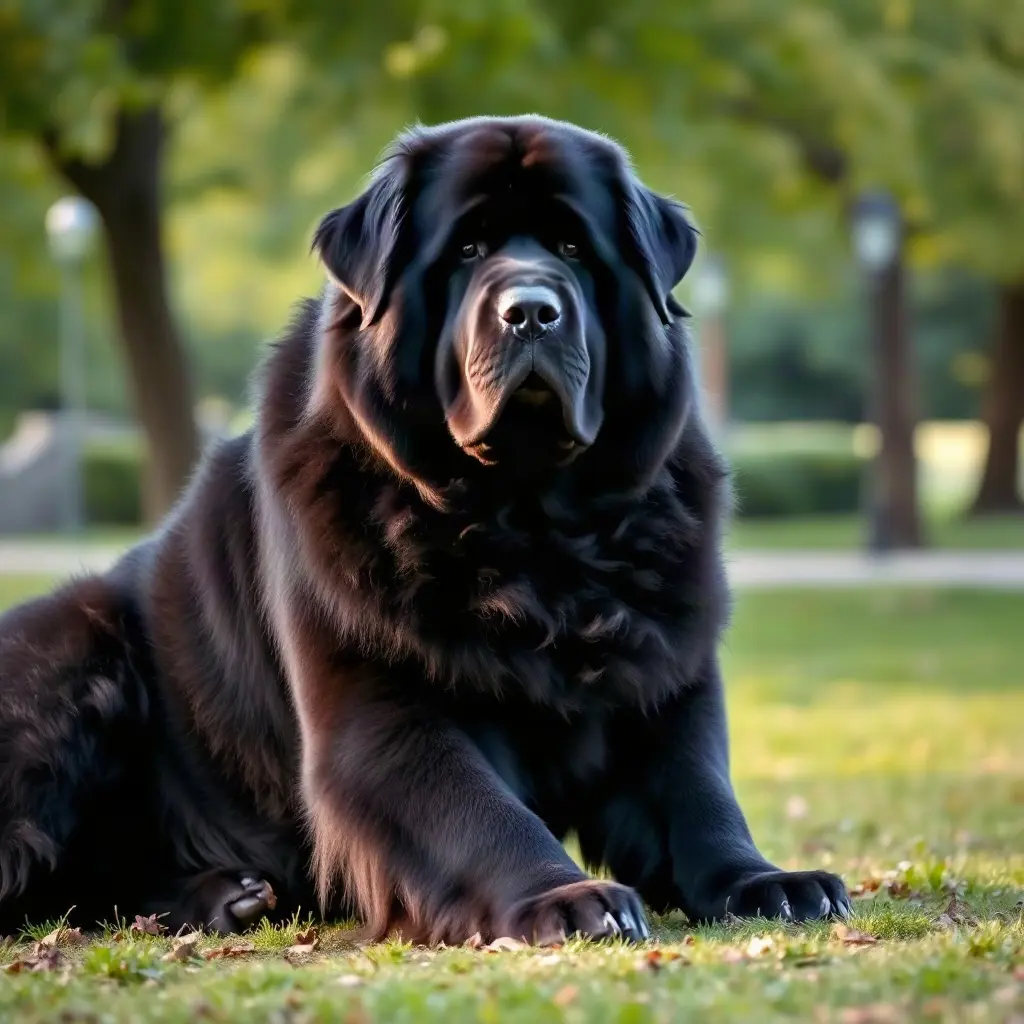
The Newfoundland is a breed that potential adopters often seek out due to its reputation as a patient, gentle, and devoted companion. Because these dogs are large, often weighing between 100 and 150 pounds, they require specific environments that can accommodate their physical needs, grooming demands, and health profiles 1 5. Finding a Newfoundland through a rescue organization is a process that prioritizes the dog's well-being and the suitability of the household, rather than simple availability.
Finding a Newfoundland Rescue Organization
Because Newfoundlands are a specialized giant breed, they are infrequently found in general municipal shelters. When a Newfoundland enters a shelter, it is often prioritized for transfer to a breed-specific rescue network that understands the breed's temperament, health risks, and physical requirements 1. The primary gateway for adoption in the United States is the Newfoundland Club of America (NCA) Rescue Network, which coordinates regional rescue groups 1 3.
These regional organizations are typically operated by volunteers who evaluate the needs of each dog. Prospective adopters are encouraged to connect with the nearest regional NCA coordinator to learn about their specific waiting lists and foster-based systems 1. Rather than searching for a single dog, prospective owners often start by building a relationship with a local rescue group that can provide guidance on dogs currently in their care or entering their foster network 1 3.
The Adoption Process and Requirements
Adoption from a breed-specific rescue is an involved process designed to ensure a successful long-term placement. Organizations typically require a formal application that outlines the applicant's experience with large breeds, housing situation, and ability to meet the financial responsibilities of a 150-pound dog 1 3. Common steps in the process include personal and veterinary references, an interview, and a home assessment to verify the space and safety of the environment 1.
Because many rescue Newfoundlands have lived in foster homes, the organization can often provide detailed information regarding the dog's behavior, its compatibility with children or other pets, and its health history 1 3. It is essential for adopters to ask about the dog's history, vaccination status, and any behavioral triggers noted by the foster family. Transparency about the dog's medical needs, such as orthopedic conditions like hip dysplasia or hereditary heart defects, is a hallmark of a responsible rescue organization 3 6.
Understanding Adoption Fees and Financial Care
Adoption fees are not intended to generate profit but rather to sustain the rescue’s operations, covering costs for food, shelter, and medical procedures such as spaying or neutering, deworming, and breed-specific health screenings 7 8. For 2026, typical adoption fees for a giant breed through a rescue range from $300 to $1,500 2. These fees are considered a investment in the rescue's mission and a contribution toward the care the dog has already received 7.
Beyond the adoption fee, adopters must budget for the ongoing expenses associated with a giant breed. Monthly costs for a Newfoundland, including high-quality food, regular professional grooming, and routine veterinary care, often range from $295 to $885 per month 4. Emergency veterinary care for heart or orthopedic conditions, which are common in the breed, can be significantly higher, sometimes reaching $5,000 to $10,000 or more per event 6.
Assessing Suitability and Breed Needs
Owning a Newfoundland is a commitment that extends beyond standard pet ownership. Their size makes them sensitive to heat, and they require a home that can manage their grooming needs, which include regular brushing to maintain their double coat and management of drooling 1 4. Potential adopters should evaluate if their home, yard, and physical activity levels are appropriate for a large dog that thrives on regular, low-impact exercise like swimming or walking 3 4.
Compatibility with other family members is also a critical factor. Newfoundlands are generally known for their patience, but their size can pose challenges for small children or individuals who are unsteady on their feet if the dog is energetic or clumsy 3 5. Working closely with a foster-based rescue allows adopters to meet the dog in a controlled setting and determine if its temperament matches the household's daily routine and activity level 1 3.
Evaluating Rescue Organizations
When searching for a rescue, adopters should be able to verify that the organization has an established track record and is focused on the breed's health. Reliable rescues often provide documentation regarding veterinary care, genetic testing where applicable, and a clear explanation of the dog's behavioral assessment 1 3. Be cautious of organizations that cannot provide information on a dog's health background or that push for immediate adoption without a formal screening process.
Engaging with the local community, such as attending regional breed-specific events or contacting local NCA chapters, is a practical way to learn about the reputation of a rescue group. These interactions offer opportunities to meet individuals who are experienced with the breed and can provide insight into the rescue’s policies regarding support after placement, transport, and potential returns 9 1.
Sources
- Newfoundland Rescue Dogs: Your Giant Breed Adoption Guide [Full Plan] - Dogsphere.blog: https://dogsphere.blog/newfoundland-rescue-dogs-adoption-guide
- Newfoundland Dog Price: How Much Does a Newfie Really Cost? | Sidewalk Dog: https://sidewalkdog.com/articles/newfoundland-dog-price
- Minnesota Newfoundland Rescue, PO Box 206, North Branch, MN (2026): https://www.voofla.com/US/North-Branch/1470928743140064/Minnesota-Newfoundland-Rescue
- How Much Does It Cost to Own a Newfoundland Dog? 2026 Price Guide — Dogster: https://www.dogster.com/lifestyle/newfoundland-dog-cost/
- Newfoundland Dog Breed Guide: https://www.lemonade.com/pet/dog-breeds/newfoundland/
- Newfoundland Dog - Bestie Paws Hospital: https://www.bestiepaws.com/dog/newfoundland-dog/
- What a Newfoundland Rescue Charges in Adoption Fees - Newfoundland Dog Guide: https://newfoundlanddogguide.com/what-a-newfoundland-rescue-charges-in-adoption-fees/
- How Much Does It Really Cost to Adopt a Dog? | Foredog: https://foredog.net/blog/dog-adoption-cost.php
- Post – National Newfoundland Rescue: https://nationalnewfoundlandrescue.com/post/