Home heating modernization grants: what property owners should know in 2026
Updating a residential heating system is a significant project that often involves balancing efficiency, long-term costs, and environmental impact. As energy standards evolve, many governments and local authorities provide financial assistance in the form of grants or incentives to help property owners transition to more modern, sustainable heating technologies. Understanding how these programs operate can assist homeowners in planning their property improvements while navigating the technical and administrative requirements involved in 2026.
The Purpose of Heating Modernization Initiatives
Modernization grants generally aim to reduce the overall carbon footprint of the residential building sector. By replacing outdated, inefficient heating sources with advanced equipment like heat pumps, biomass boilers, or solar-thermal integration, property owners can achieve greater energy independence. These programs are often designed to address both the high initial cost of equipment and the technical labor required for complex installations.
These initiatives frequently focus on specific goals, such as phasing out fossil fuel reliance or improving the insulation capabilities of existing structures. The structure of these grants often requires that the heating upgrade be paired with energy efficiency improvements, such as improved glazing or better wall insulation, to ensure the new heating system functions at peak performance without wasted energy.
Typical Eligibility Criteria for Property Owners
Eligibility for heating grants usually depends on a variety of factors related to the property itself and the existing heating infrastructure. Authorities often prioritize homes that are currently reliant on high-carbon fuels or those that are classified as energy-inefficient based on standardized energy performance certificates. Renters or landlords may face different eligibility criteria depending on whether the building is an owner-occupied residence or a rental unit.
Property owners should note that many programs have specific requirements regarding the following aspects:
- The current energy rating of the property, which often needs to meet or exceed certain benchmarks.
- The type of fuel currently in use, with programs frequently targeting transitions away from oil, coal, or older gas boilers.
- The ownership status of the property, as some grants are strictly for primary residences while others apply to broader housing stocks.
- The compliance of the proposed heating technology with local building codes and environmental standards.
Common Technologies Supported by Modernization Grants
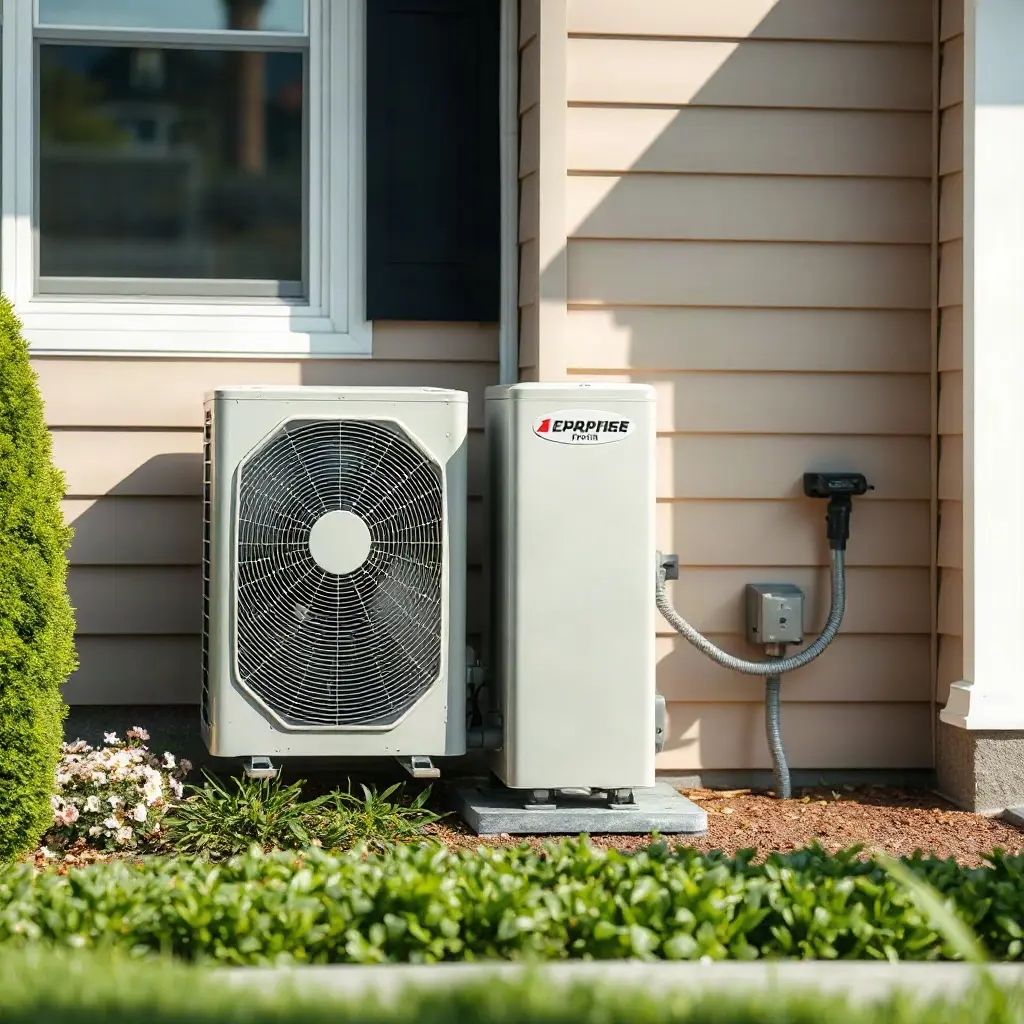
Grants generally cover specific categories of technology that demonstrate high energy efficiency. In 2026, the market reflects a strong move toward electrification and renewable integration. Air-source and ground-source heat pumps are among the most common technologies included in these programs due to their ability to provide both heating and, in some cases, cooling functions while consuming significantly less electricity than traditional electric heaters.
Other systems that may be supported include high-efficiency biomass heating systems, which use renewable organic matter as fuel, and hybrid heating systems that combine a traditional boiler with a heat pump to manage extreme temperature fluctuations. Solar-thermal collectors, which use sunlight to heat water for domestic use, are also frequently eligible for partial funding when installed as part of a comprehensive heating modernization plan.
Understanding the Financial Scope and Costs
The cost of modernizing a heating system varies widely based on the size of the building, the chosen technology, and the complexity of the installation. For a standard residential property, the total cost for installing a high-efficiency heat pump system often ranges from approximately 8,000 to 20,000 USD, though this depends heavily on local labor rates and specific site modifications required. Grants do not typically cover the entire cost, but rather act as a partial subsidy to mitigate the financial barrier to entry.
When assessing the budget for these projects, owners should account for incidental costs that grants may not cover. These often include:
- Upgrading radiators or underfloor heating systems to work with lower-temperature water cycles.
- Electrical panel upgrades to handle the power requirements of new heating appliances.
- Structural modifications, such as space for external heat pump units or buffer tanks for water storage.
- Professional energy audits required to prove the necessity or efficiency of the project.
The Application Process and Administrative Requirements
The application for a heating modernization grant usually follows a standardized path, though it requires attention to detail regarding documentation. Most programs require an initial assessment by a certified professional to determine the current energy performance of the home. This assessment acts as the baseline for the project, and the property owner must keep all documentation regarding this audit for compliance verification.
Once the project is planned, property owners generally must obtain quotes from authorized installers. Many programs only disburse funds if the contractor is listed on a government-approved registry or holds specific technical certifications. It is essential to ensure that the proposed equipment is on the program's list of approved models, as unauthorized or non-compliant installations may disqualify an owner from receiving the grant even if the installation is physically completed.
Risks and Considerations for Long-Term Planning
While the prospect of reducing energy costs is a primary motivator for many, there are risks associated with heating modernization that property owners should consider. One common challenge is the adjustment period required to learn how to operate newer systems, which often run on different schedules and temperature curves than conventional combustion boilers. Modern systems often perform best when they operate continuously at lower temperatures, which is a departure from the quick-start, high-heat approach of traditional systems.
Furthermore, the long-term maintenance of high-tech heating equipment requires access to specialized technicians. Property owners should investigate the local availability of servicing for the specific brand and type of system they intend to install. Overlooking the ongoing maintenance requirements can lead to decreased efficiency over time, effectively negating the benefits of the initial modernization and resulting in higher operational costs in the long run.