Medical card dental services in Ireland: treatment options and eligibility in 2026
Key facts
- The Dental Treatment Services Scheme (DTSS) provides free, essential dental care to eligible Medical Card holders aged 16 and over 1.
- Standard coverage includes annual examinations, two fillings per year, and necessary extractions, while some complex procedures require prior HSE approval 1 2.
- Access to participating private dentists is currently limited due to national workforce shortages, which may result in longer waiting times for appointments 3 4.
- Patients should confirm a dental practice's participation status and check their specific entitlements directly with the clinic before attending an appointment 5 2.
In Ireland, dental care for Medical Card holders is managed primarily through the Dental Treatment Services Scheme (DTSS), a program overseen by the Health Service Executive (HSE). This scheme is designed to provide access to essential oral healthcare services without charge for eligible individuals aged 16 and over 1 6. While the system is intended to cover routine and emergency dental needs, the availability of these services can vary based on local provider participation and regional resource levels 5 7.
Scope of Dental Coverage Under the Medical Card
The Medical Card scheme focuses on providing basic and essential dental health support. Under the DTSS, patients are typically entitled to a dental examination once each calendar year 1. Other core services include tooth extractions and up to two fillings per calendar year 1. If a patient requires a replacement filling for a tooth treated within the previous five years, the treating dentist is required to seek prior approval from the local HSE Principal Dental Surgeon 1.
Preventive care, such as a scale and polish, is available once per calendar year under standard conditions. Patients who fall into high-risk categories, such as those living with diabetes or undergoing cancer treatment, may be eligible for cleaning every six months, provided they receive approval from the HSE 1. Additionally, the scheme covers repairs to dentures and the management of dental bleeding, though more complex restorative procedures like root canal treatments are generally restricted to front teeth and require clinical verification 1 5.
Eligibility and Verification Processes
Eligibility for a Medical Card is determined by the HSE, typically based on a means test that accounts for household income, expenses, and specific individual circumstances 5 6. The scheme is primarily aimed at those who might otherwise face financial barriers to accessing healthcare. Once an individual holds a valid Medical Card, they are entitled to use the services provided by the HSE dental clinics or private dental practices that have formally contracted with the HSE to provide care under the DTSS 1 6.
When attending a dental appointment, it is standard practice to present a current Medical Card to confirm active status 2. Dental practices verify these details through the HSE system before beginning any treatment. It is recommended that individuals verify their eligibility status through official HSE channels or their local health office before seeking services to ensure there are no interruptions to their coverage 5.
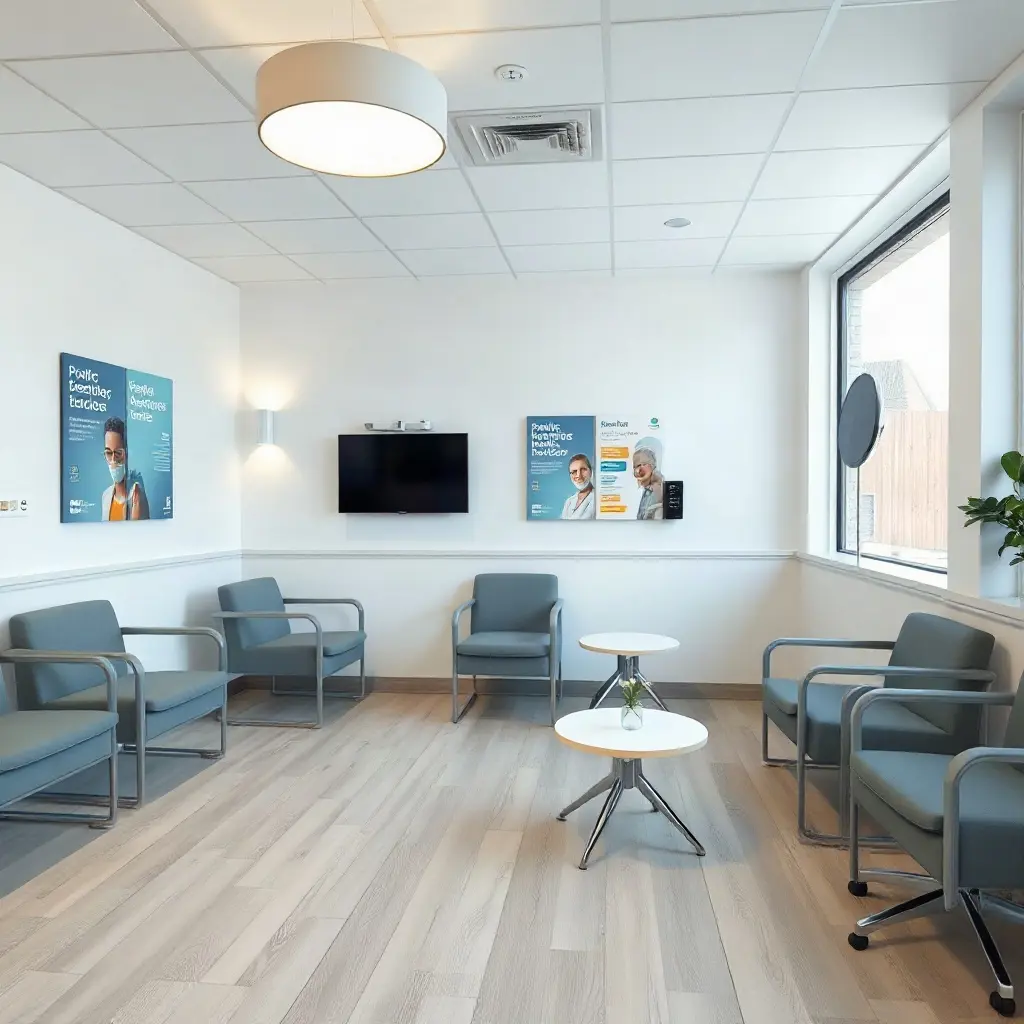
Accessing Dental Services and Provider Challenges
Dental care is delivered through two main pathways: HSE-run community dental clinics and private dental practices that operate as HSE contractors 1 6. However, accessing these services has become increasingly complex as the number of private dentists participating in the DTSS has seen significant fluctuation over recent years 8 4. Many practitioners have cited administrative requirements and reimbursement levels as factors influencing their participation in the public scheme 8 4.
Because not all private dental practices are contracted to provide services under the Medical Card, patients are advised to contact practices in their local area to ask if they are currently accepting new patients under the DTSS 1 5. In regions where participating dentists are scarce, waiting lists for routine examinations can be lengthy 3 7. Patients seeking emergency care for acute pain or infection are encouraged to highlight the urgency of their condition when contacting a clinic, as these cases are often prioritized 7.
Exclusions and Limitations
It is important to understand that the Medical Card scheme does not cover every type of dental procedure. Most elective, cosmetic, or advanced restorative work-such as teeth whitening, porcelain veneers, or routine orthodontics-are generally excluded from the scheme 5. While exceptions exist for specific, clinically assessed cases, particularly in pediatric orthodontics or severe medical needs, these require formal referrals and intensive clinical evaluation by the HSE 5.
Patients should be prepared for the fact that some treatments require pre-authorization from the HSE, which can add time to the treatment planning process 1 8. A qualified dental professional remains the primary point of contact for assessing individual oral health needs and determining whether a proposed treatment is covered under the current DTSS guidelines or if it falls outside the scope of public provision 5 2.
Current Status of the Dental Scheme
As of 2026, the provision of dental services for Medical Card holders remains a subject of ongoing discussion regarding policy reform. Government reports and health advocacy groups have noted that while the volume of treatments provided has remained significant, the gap between eligible patients and available appointments remains a point of concern 8 4. Efforts to address these challenges, including potential restructuring of the reimbursement scheme, are part of broader national oral health policy planning 8 9.
Patients relying on the scheme are encouraged to stay informed through official updates from the Department of Health and the HSE. As policies evolve to reflect new budgets and legislative changes, such as the Supports for Survivors of Residential Institutional Abuse Act 2025, which introduced specific health supports for certain groups, the landscape of public dental entitlements may continue to shift 10 9.
Sources
- Dental services - Citizens Information: https://www.citizensinformation.ie/en/health/health-services/dental-aural-and-optical-services/dental-services/
- Medical Card Dentist Dublin | HSE & PRSI Accepted, New Patients Welcome | Empire Dental: https://empireclinic.ie/treatments/dental-treatments/medical-card-dentist-dublin/
- Dental services for people with medical cards in 'a state of almost permanent collapse': https://www.irishexaminer.com/news/arid-41771441.html
- Dental scheme for medical card holders 'in a state of crisis': https://www.irishexaminer.com/news/arid-41775266.html
- What dental care is covered by medical card Ireland 2026: https://cloversreport.com/guides/what-dental-care-is-covered-by-medical-card-ireland-2026
- How Does a Medical Card Dentist Work in Ireland?: https://acemoneytransfer.com/blog/medical-card-dentist-ireland
- 84-year-old woman with broken front tooth told to wait six weeks | RadioKerry.ie: https://www.radiokerry.ie/news/84-year-old-woman-with-broken-front-tooth-told-to-wait-six-weeks-for-emergency-dental-appointment-476225
- Concerns over access to dental care for Wexford medical card holders - South East Radio: https://www.southeastradio.ie/news/wexford/concerns-over-access-to-dental-care-for-wexford-medical-card-holders/
- Dental Services – Monday, 7 Sep 2026 – Parliamentary Questions (34th Dáil) – Houses of the Oireachtas: https://www.oireachtas.ie/en/debates/question/2026-09-07/3242/
- Medical Cards – Tuesday, 14 Apr 2026 - Oireachtas.ie: https://www.oireachtas.ie/en/debates/question/2026-04-14/2813/