Supplements for cognitive focus: a practical guide to evidence, safety, and professional consultation
Key facts
- Dietary supplements for cognitive focus are not required to undergo the same premarket safety and efficacy reviews as prescription medications 1.
- Human clinical trials show modest benefits for ingredients like Bacopa monnieri, citicoline, and creatine, but these effects often require weeks of consistent use 2 1 3.
- Professional consultations with a registered dietitian typically range from $70 to $200 per session, though costs may be lower with insurance coverage 4 5.
- Quality issues, such as contamination with heavy metals or variability in ingredient amounts, remain significant concerns in the unregulated supplement market 3.
Supplements for cognitive focus are products designed to support memory, attention, and mental performance. Often referred to as nootropics or brain boosters, these substances range from natural herbal extracts to lab-synthesized compounds 6 1. In the United States, these products are categorized as dietary supplements, a classification that means they do not face the same rigorous premarket approval processes for safety and effectiveness that the Food and Drug Administration (FDA) requires for prescription medicines 1.
Understanding Cognitive Support Ingredients
The market for cognitive supplements includes a wide array of ingredients, each proposed to influence brain function through different mechanisms. Some ingredients, such as caffeine, are stimulants that can produce short-term increases in alertness and attention 6. Other compounds, including Bacopa monnieri, citicoline, and omega-3 fatty acids, are typically researched for their potential to support long-term cognitive health or memory consolidation 2 3. Research often suggests that these non-stimulant ingredients require weeks or months of consistent daily use to show any measurable benefits 6 1.
Scientific evidence for these ingredients varies considerably. While meta-analyses and randomized trials provide support for specific substances like citicoline and creatine under certain conditions, many proprietary blends lack robust clinical validation 2 3. Furthermore, clinical trial results-which often use standardized doses and pure ingredients-do not necessarily apply to the diverse range of commercial products found on retail shelves, which may contain inconsistent formulations 2 3.
Safety, Interactions, and Quality Control
A significant risk associated with dietary supplements is the potential for adverse health outcomes, particularly regarding interactions with prescription or over-the-counter medications 1. For instance, some ingredients can affect heart rate, blood pressure, or anxiety levels, especially in susceptible individuals 7 1. Additionally, certain compounds, such as methylene blue, may be contraindicated for those taking specific classes of medications like SSRIs or for individuals with conditions like G6PD deficiency 8.
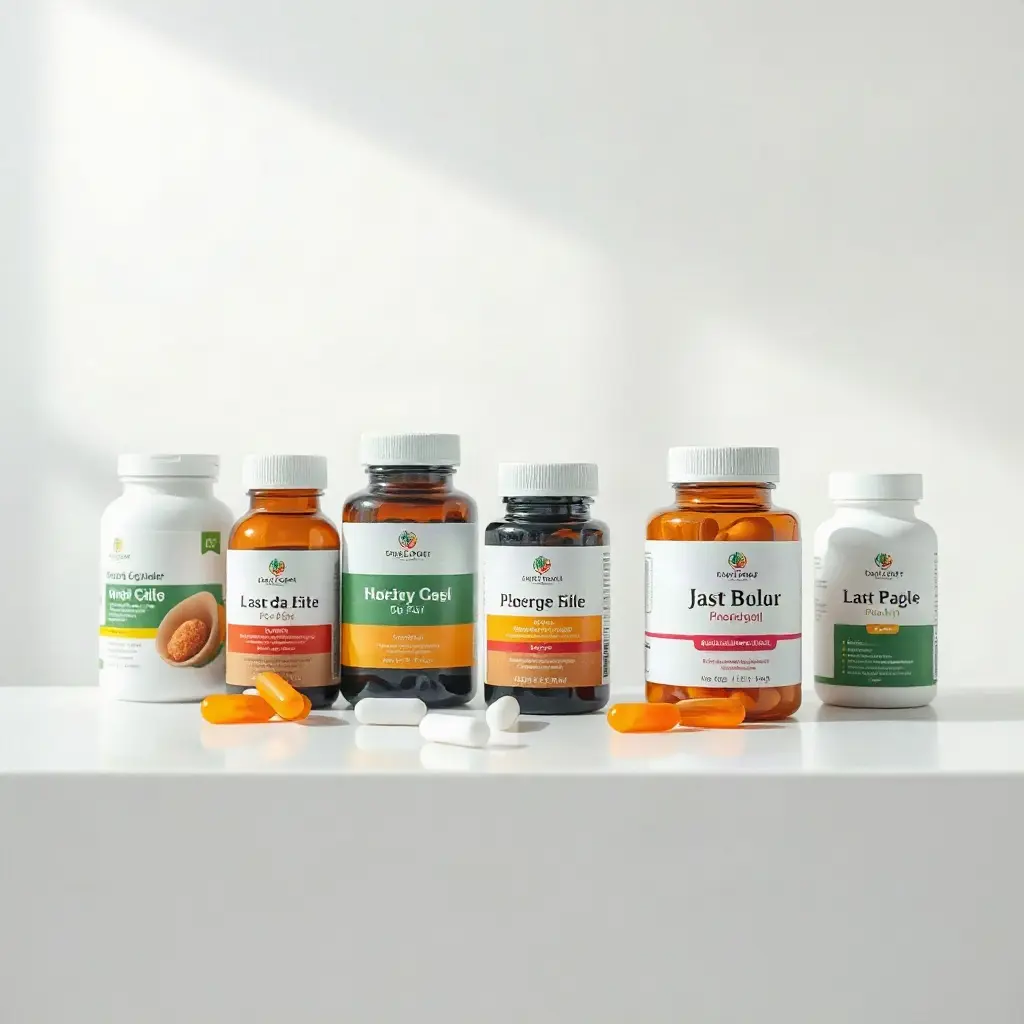
Manufacturing quality represents another layer of complexity. The supplement industry is prone to issues such as ingredient contamination, heavy metal presence, or oxidation, particularly in fish oil products 3. To mitigate these risks, industry guidance often emphasizes the importance of looking for third-party verification, such as stamps from organizations that test for purity and label accuracy 3. Relying on marketing claims or colorful packaging can be misleading, as these do not guarantee the presence or clinical potency of the ingredients listed on the label 9 1.
The Role of Professional Consultation
Before beginning, stopping, or combining supplements, it is standard professional advice to consult with a qualified clinician, such as a doctor or a registered dietitian. These professionals can conduct a thorough review of an individual's health history, current medication regimen, and dietary habits to identify potential contraindications or nutrient gaps 1 3. Engaging a specialist is particularly relevant when attempting to optimize cognitive function, as they can help determine whether supplementation is even necessary or if lifestyle changes, such as adjustments to diet or sleep, might be more effective 3.
Consultations with registered dietitians or nutritionists in the United States typically cost between $70 and $200 per session out-of-pocket 4 5. Initial assessments, which are generally more comprehensive and take longer, may range from $100 to $300 4 10. Under the Affordable Care Act, many private insurance plans and Medicare cover medical nutrition therapy as a preventative service, which may reduce out-of-pocket costs to a nominal copay, such as $10 to $40, for those meeting specific criteria 4 5.
Evaluating Products and Costs
The cost of cognitive supplements varies widely based on the brand, the quality of the ingredients, and the manufacturing process. As of 2026, market data indicates that individual ingredients like omega-3 fatty acids or L-theanine can be found at prices as low as $0.04 to $0.05 per serving, whereas more complex, multi-ingredient stacks can cost significantly more per dose 11 8. Comparing products requires looking beyond the sticker price to the actual cost-per-dose or per-gram basis to ensure an accurate evaluation of value 11.
When reviewing potential supplements, it is helpful to ask specific questions of a healthcare provider: Are there known interactions with currently prescribed medications? Is there evidence-based support for this specific dose? Are there reputable third-party tests for this product’s purity? By approaching these products with clinical skepticism rather than reliance on marketing promises, individuals can make more informed decisions about whether supplementation aligns with their overall health objectives 1 3.
Sources
- What Are Brain Pills Good For? Evidence-Based Guide - Tonum: https://tonum.com/blogs/useful-knowledge/what-are-brain-pills-good-for-a-hopeful-powerful-guide
- What Peer‑Reviewed Evidence Exists for Common Cognitiv...: https://factually.co/fact-checks/health/peer-reviewed-evidence-main-ingredients-cognitive-supplements-440c27
- Brain Health Supplements: What's Worth Taking (and What's Not) | ProCognitiveDiet: https://procognitivediet.com/articles/brain-health-supplements/
- Average Cost of a Nutritionist in US 2026 | Per Session, Insurance & Key Facts - The World Data: https://theworlddata.com/average-cost-of-a-nutritionist-in-us/
- How Much Does It Cost to See a Dietitian? [2024 Price Guide] - GeniusGeo.blog: https://geniusgeo.blog/how-much-does-it-cost-to-see-a-dietitian
- Best Nootropics and Cognitive Supplements for Focus and Memory | U.S. News: https://health.usnews.com/wellness/articles/best-nootropics-and-cognitive-supplements-for-focus-and-memory
- Comparable improvements in selective, but not sustained, attention in response to a multi-ingredient nootropic formulation when compared with caffeine | European Journal of Nutrition | Springer Nature Link: https://link.springer.com/article/10.1007/s00394-026-03926-8
- Best Focus Supplements in 2026: 8 Brands Compared & Compared: https://nooblue.com/best-focus-supplements-2026/
- Brain health supplements are booming. Here’s what one longevity expert takes. - The Washington Post: https://www.washingtonpost.com/health/2026/05/07/brain-supplements-longevity/
- Nutritionist Cost Guide: Typical Price Range for Consultation – Cost Digest: https://costdigest.org/nutritionist-cost-typical-price-range-consultation/
- Best supplements for focus & memory — ranked by cost per dose (September 2026) · VitaminDB: https://www.vitamindbc.com/goals/focus-and-memory