Typical day shift patterns for healthcare facility receptionists: What to Know
Typical day shift patterns for healthcare facility receptionists are shaped by the hours a facility serves patients, the flow of appointments, and the need to keep the front desk covered. A receptionist may work a standard daytime schedule in a clinic, while a hospital department or urgent care site may use overlapping shifts that extend into evenings or weekends.
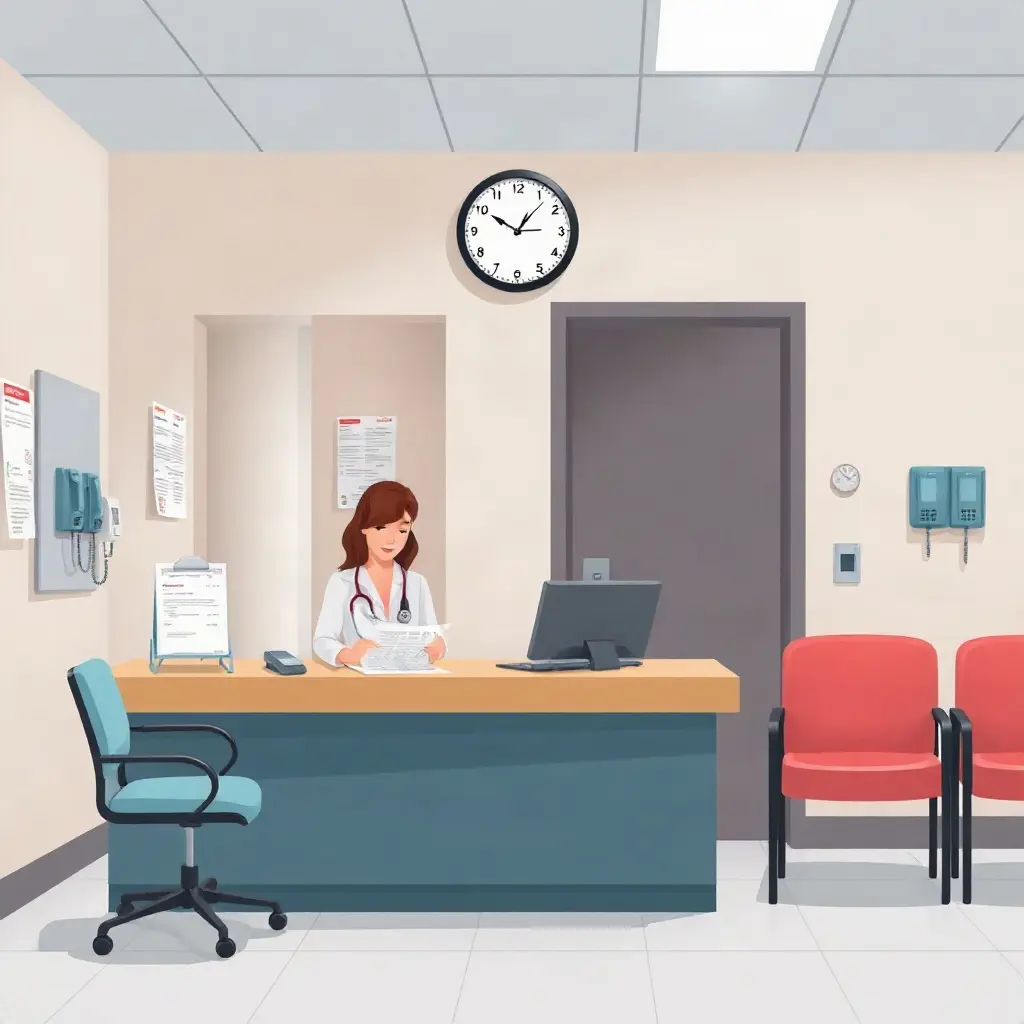
Common daytime hours in healthcare reception
Many outpatient clinics, medical offices, dental practices, and specialist centres operate mainly during weekday business hours. A typical receptionist shift may begin between 7:00 and 8:30 in the morning and finish between 3:30 and 5:30 in the afternoon. The exact pattern depends on when staff need to prepare the reception area and when the last patients are expected to leave.
Early starts often include tasks that must be completed before appointments begin. These can include opening the reception desk, reviewing the appointment system, preparing paperwork, checking messages, and confirming that waiting areas are ready. A later daytime shift may start mid-morning and finish in the early evening, helping cover the busiest appointment periods and the closing routine.
Opening, midday, and closing shift patterns
Facilities with longer operating hours commonly divide the day into opening, core, and closing shifts. The opening receptionist handles the first arrivals and prepares the administrative systems. The core shift covers the main flow of appointments, phone calls, registration questions, and communication with clinical staff.
A closing receptionist may deal with late appointments, prescription or record requests that need administrative handling, and final telephone enquiries. Closing duties can also include securing documents, reconciling routine paperwork, updating appointment notes, and passing unresolved matters to the next working day. These duties mean that a shift may end after the final scheduled appointment rather than exactly when the building closes.
- Opening shifts: Often start earlier and focus on preparation and first arrivals.
- Core daytime shifts: Usually overlap with the highest number of appointments and enquiries.
- Closing shifts: Extend later and include end-of-day administration and handover work.
How the facility type affects the daily schedule
Reception patterns differ considerably between healthcare settings. A small general practice may have one receptionist covering most of the day, with another person joining during the morning rush. A large outpatient department may have several reception points, each with its own opening and closing times. Hospitals may also require reception coverage for admissions, imaging, clinics, or specialist units with different schedules.
Urgent care centres and emergency departments can operate for extended hours or around the clock. Their reception staff may work longer daytime rotations, evening shifts, or rotating schedules that include nights. Residential care facilities and rehabilitation centres may have a receptionist on duty during set periods while other administrative or security staff cover the building outside those hours.
Weekday, weekend, and public holiday arrangements
Monday to Friday is the most common pattern for receptionists in standard outpatient facilities. However, the workload is not always evenly distributed. Monday mornings can involve enquiries carried over from the weekend, while late afternoons may be busy because patients attend after work or school. Some facilities open on Saturdays for selected clinics, testing, or appointments.
Weekend work is more likely in hospitals, urgent care, walk-in services, community health centres, and facilities supporting residential patients. Where weekend coverage is required, staff may rotate Saturdays and Sundays rather than work every weekend. Public holiday arrangements vary by the facility's service, local regulations, and whether clinical operations continue. A receptionist's schedule may therefore include occasional weekend or holiday shifts even when most work is during the day.
Overlapping shifts and front desk coverage
Overlapping shifts are used when one receptionist alone would not be able to manage arrivals, telephone calls, records, and payments or registration duties at the same time. For example, an opening receptionist may work alongside a later starter for several hours around the morning appointment peak. The overlap supports queue management and allows staff to share information before one person leaves.
In larger facilities, different receptionists may be assigned to check-in, telephone enquiries, discharge administration, or a particular clinic. Their shifts can be staggered so that the public-facing desk remains staffed during meal breaks and changeovers. When staffing is limited, the schedule may include a designated relief period or a supervisor who provides temporary coverage.
Breaks, workload, and the pace of a day shift
Day shift reception work often alternates between quiet administrative periods and sudden bursts of activity. A receptionist may spend one part of the morning answering calls and registering arrivals, then use a quieter period to update records or prepare documents. Delays in clinics, unexpected walk-ins, or changes to appointment lists can quickly alter the pace.
Break arrangements are usually set by workplace policy and employment rules, with timing affected by patient flow and the number of staff on duty. Reception coverage must continue while someone is away from the desk, so breaks may be staggered. A schedule that appears to be a standard daytime shift can still feel demanding if the desk is continuously busy or if one person covers several communication channels.
Handover between healthcare reception shifts
Handover is an important part of a receptionist's daily pattern, particularly where shifts overlap. The outgoing receptionist may explain which patients are waiting, which calls remain unanswered, and whether a clinician or manager needs to respond to a particular issue. Information is normally shared through approved workplace systems and procedures, with attention to confidentiality.
A clear handover helps prevent duplicated work and reduces the risk that an enquiry is overlooked. It may include changes to clinic rooms, delayed appointments, accessibility arrangements, record requests, or visitors expected later in the day. Receptionists generally need to follow privacy rules when discussing patient information, especially in open waiting areas or over the telephone.
Part-time and rotating daytime schedules
Not every receptionist works a full standard day. Part-time patterns may cover morning-only hours, afternoon-only hours, selected weekdays, or several longer shifts each week. These arrangements are common where a facility has distinct busy periods, such as early appointment registration and late-day telephone demand.
Rotating schedules can involve a mixture of opening and closing shifts across different weeks. This may be necessary when several employees share responsibility for the full operating day. The practical effect is that start times, commuting needs, childcare arrangements, and sleep routines can vary from one shift to another. Written schedules usually set out the expected pattern, while changes may occur when colleagues are absent or clinic hours are altered.
What determines a receptionist's exact shift
The exact hours depend on more than the facility's advertised opening time. Appointment volume, the number of clinicians, telephone demand, public transport access, security procedures, and administrative workload can all influence staffing. A facility that opens at 8:00 may require reception staff to arrive earlier, while a site that closes at 18:00 may keep an employee later for final administrative tasks.
Employment agreements and local working-time rules also affect shift length, rest periods, overtime, and weekend rotation. Healthcare receptionists may need training in privacy, safeguarding, computer systems, and emergency procedures before working independently. The schedule can also change during renovations, seasonal demand, service expansions, or temporary clinic closures, so the same job title does not always mean the same daily pattern.