How Much Does Car Interior Restoration Cost? A Detailed Guide
Restoring a car's interior can transform your driving experience, bringing back that new-car feel and preserving the value of your vehicle. However, the cost of such a project can vary widely. Understanding the different components of an interior restoration and the factors that affect their price is the first step in planning your project and setting a realistic budget.
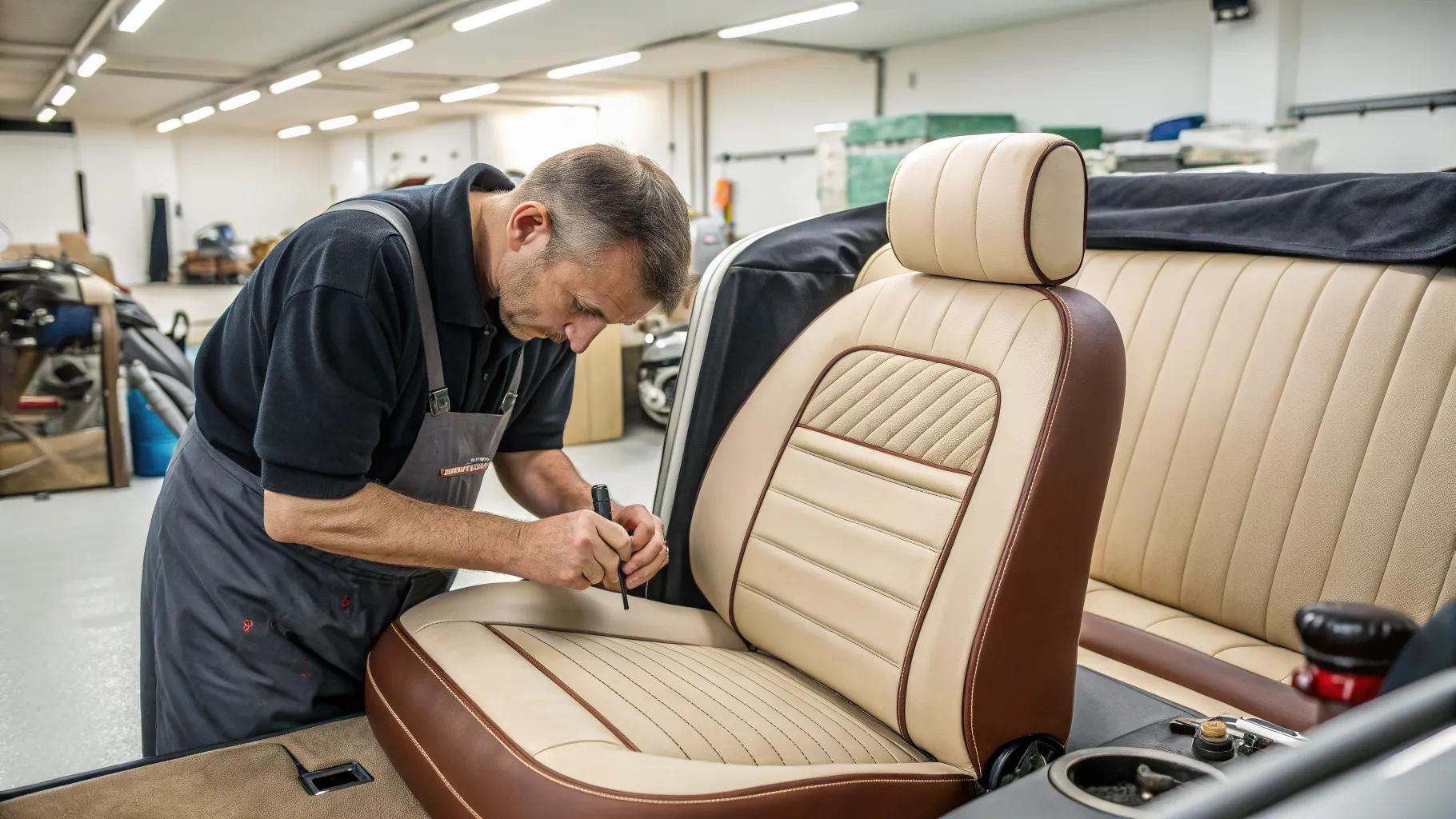
Key Factors That Determine Restoration Costs
The final price tag for an interior restoration is not a single number but a sum of many parts. Several key variables will have a significant impact on the overall cost. The age, make, and model of the vehicle play a large role, as parts for classic, luxury, or rare cars are often harder to find and more expensive than those for common modern vehicles.
Other critical factors include:
- Extent of Damage: A simple deep cleaning and minor repair will cost significantly less than a full overhaul of a worn, torn, and faded interior.
- Choice of Materials: Opting for premium materials like genuine leather or Alcantara will be more expensive than standard cloth or vinyl.
- Labor Costs: The hourly rate of the auto upholstery shop and the complexity of the job will heavily influence the price. A full restoration requires many hours of skilled labor.
- Scope of Work: You can choose to restore everything or focus on specific areas like the seats or headliner, which allows for more control over the budget.
Average Costs for Seat Upholstery and Repair
The seats are often the most noticeable part of a car's interior and a common focus for restoration. For minor repairs, such as fixing a single tear or a cigarette burn, you might spend a couple of hundred dollars. However, if you're looking at a complete re-upholstery, the cost escalates. Re-covering a full set of seats in a standard cloth or vinyl for a typical sedan can range from moderate to significant expense, depending on the shop and materials.
If you choose premium leather, the cost can easily double or triple. The price also depends on the complexity of the seat design, such as whether they have heating, cooling, or complex electronic adjustments that require careful disassembly and reassembly. Custom stitching patterns or two-tone designs will also add to the final cost.
Dashboard, Console, and Trim Restoration Pricing
Years of sun exposure can cause dashboards and plastic trim pieces to crack, fade, or become brittle. Repairing these components is crucial for a complete restoration. Minor crack repairs on a dashboard can be a relatively affordable fix. However, if the dashboard is severely damaged, it may need to be completely removed, repaired, and re-dyed or wrapped in a new material like vinyl or leather, which is a much more labor-intensive and costly process.
Similarly, the center console, door inserts, and other trim pieces can be refinished or replaced. The cost for these services depends on the number of pieces being restored and the chosen finish. Refinishing wood grain trim, for example, is a specialized skill and can add a considerable amount to the bill.
Headliner and Carpet Replacement Expenses
A sagging headliner is a common issue in older vehicles and detracts from the interior's appearance. Replacing a headliner involves removing the old fabric and adhesive, preparing the board, and applying new material. The cost is influenced by the size of the vehicle and whether it has a sunroof, which complicates the installation. Generally, this is a moderately priced job for a professional.
Replacing the carpet is another impactful update. You can purchase pre-molded carpet kits designed for your specific vehicle model. The cost of the kit itself is often reasonable, but the labor for installation can be high. The entire interior, including seats, console, and trim, must be removed to fit the new carpet properly. Adding sound-deadening material underneath the carpet is a popular upgrade that will also increase the total cost.
Addressing Door Panels and Smaller Details
Door panels are complex components that often house speakers, window controls, and armrests. Over time, the fabric or vinyl inserts can peel, or the plastic can become scuffed and damaged. Restoring door panels can involve re-gluing the original material, replacing inserts with new fabric, or re-dying the entire panel. The cost varies based on the level of disassembly required and the materials used.
Don't forget the smaller details that complete the look. Items like the steering wheel, gear shift knob, and emergency brake boot can also be restored or replaced. A steering wheel can be professionally re-wrapped in new leather for a premium feel, which is often more cost-effective than buying a new one from the manufacturer.
DIY Kits vs. Professional Services: A Cost Comparison
For those on a tighter budget or who enjoy hands-on projects, DIY restoration is a viable option. You can purchase kits for seat covers, carpets, and headliners for a fraction of the cost of professional labor. This path requires time, patience, and a certain level of skill to achieve good results. Mistakes can be costly, potentially requiring you to buy more materials or eventually turn to a professional for help.
Hiring a professional shop guarantees a high-quality result from experienced technicians. While the upfront cost is significantly higher, it saves you time and the potential frustration of a DIY project gone wrong. Professionals also have access to higher-grade materials and specialized tools that are not typically available to the public, ensuring a durable and factory-fresh finish.