5 kW solar panel system for homes: typical prices in 2026
Key facts
- A 5 kW residential solar system in the Philippines typically costs between PHP 230,000 and PHP 400,000 fully installed as of 2026 1 2 3.
- These systems generally generate 540 to 750 kWh monthly, suitable for households with typical electricity bills between PHP 6,000 and PHP 10,000 1 4 5.
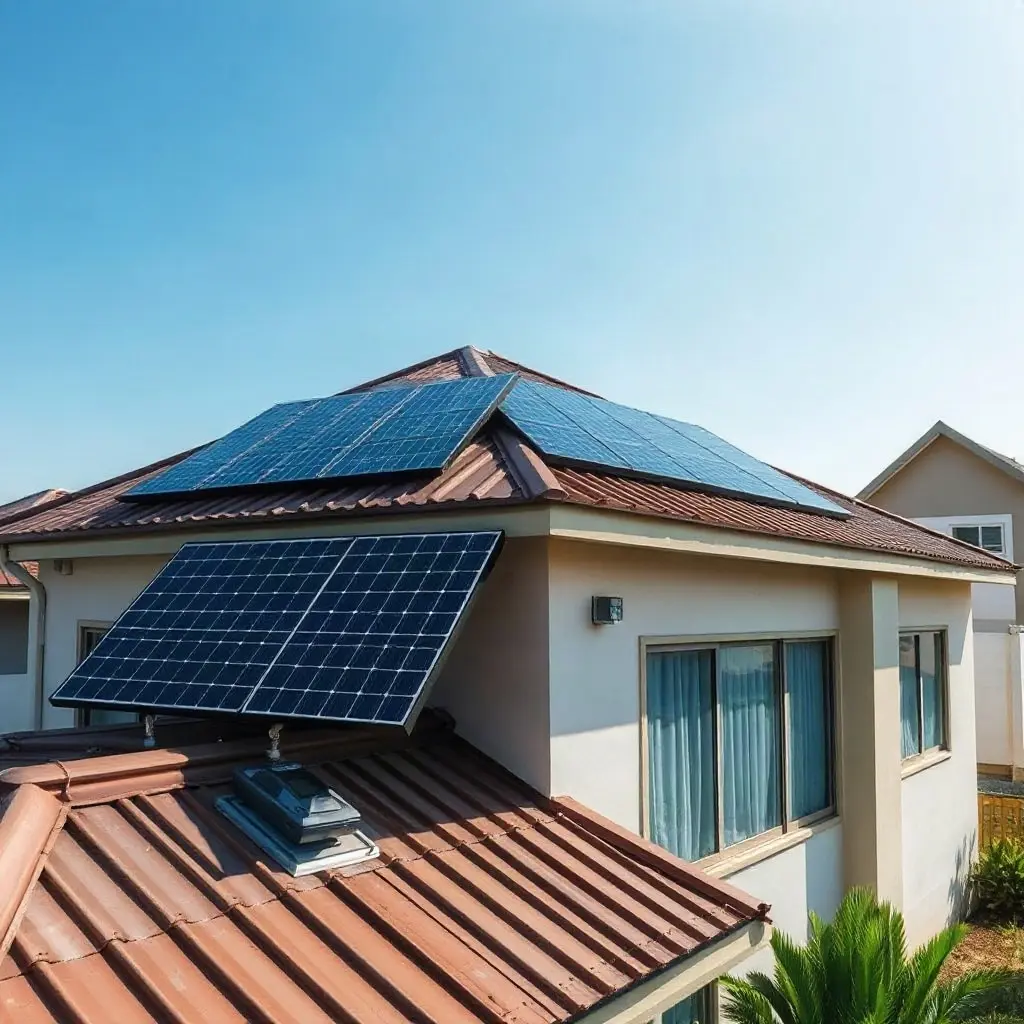
- Installation includes panels, a grid-tied inverter, mounting hardware, electrical protection, and professional labor to meet safety and compliance standards 6 7.
- Qualified installers should hold Department of Energy (DOE) accreditation to ensure systems comply with safety and legal interconnection requirements 8.
Installing a 5 kW solar panel system has become a standard approach for Filipino homeowners seeking to manage rising electricity costs. As of 2026, market data indicates that a 5 kW capacity serves as an optimal entry point for medium-sized households, providing enough power to offset a significant portion of daily consumption for typical families 4 7. When evaluating these systems, homeowners must distinguish between the total installed cost, which covers engineering and labor, and the variable price of components like inverters and panels 9 10.
Market Pricing and System Components
Typical prices for a 5 kW solar installation in the Philippines range from PHP 230,000 to PHP 400,000, depending on the specific equipment selected and the complexity of the installation 1 3. These figures represent turnkey packages, meaning they encompass the procurement of Tier-1 solar modules, a grid-tied inverter, mounting rails, protective breakers, and the labor costs associated with a professional installation team 6 7. Variations in price often arise from the choice between a simple grid-tie system and a hybrid system capable of battery storage, with the latter requiring additional investment in lithium battery units 9 10.
Hardware costs alone for a 5 kW grid-tie setup can range from PHP 83,000 to PHP 142,000, while hybrid systems including 5 to 6 kWh of battery capacity often see component costs rising toward the PHP 154,000 to PHP 221,000 range 9. Homeowners should note that "typical prices" are estimates and actual quotes are influenced by roof type, such as whether it consists of concrete or metal ribbing, and the specific geographic location, as labor costs in metropolitan areas like Metro Manila can run 10% to 15% higher than in other regions 2 3.
Performance and Household Suitability
A 5 kW system is generally sized for homes consuming 500 to 650 kWh monthly, typically those with two or three air conditioning units and standard home appliances 2 4. Under Philippine solar conditions, which provide an average of 5.1 peak sun hours daily, such a system is expected to generate between 540 and 750 kWh per month, though output can fluctuate by 20% to 30% between the dry season and the rainy months 4 5.
The economic viability of these systems relies heavily on self-consumption rates. Because exported power is often credited at rates lower than the full retail electricity price, households that use their solar energy during the day gain the most value 3. Payback periods for these systems typically range from 3 to 6 years, contingent on the household's ability to maximize direct use of the solar-generated power rather than relying on grid exports 11 4 7.
Regulatory Oversight and Installation Standards
The Department of Energy (DOE) governs renewable energy development in the Philippines, and legitimate solar contractors must hold DOE accreditation under the Renewable Energy Act of 2008 8. Recent policy shifts have streamlined the process for own-use solar installations, particularly for systems categorized as Self-Generating Facility Zero-Export Solar Systems 12. While requirements for some smaller or non-exporting systems have been simplified, homeowners should still ensure their installer handles all necessary documentation, including building permits and interconnection agreements with distribution utilities like Meralco or VECO 12 10.
Homeowners are encouraged to verify that any quote includes explicit provisions for net metering processing and meter testing, as these steps are critical for legal compliance 4 10. Working with non-accredited or "fly-by-night" contractors poses significant risks, including the potential for system underperformance, safety hazards, and the failure to complete mandatory utility filings, which can lead to substantial financial losses 8.
Maintenance and Long-Term Reliability
Solar systems require relatively low maintenance but are not entirely hands-off. In the Philippine climate, dust, debris, and environmental buildup on panel surfaces can decrease energy generation, necessitating periodic cleaning 11. Standard maintenance routines generally involve a visual inspection of the mounting hardware and inverters to ensure all connections remain secure and that monitoring systems continue to function as expected 8.
Inverter health is a major factor in system longevity; high-quality inverters are designed to last many years, but they are often the first component to require replacement. Choosing reputable manufacturers known for strong warranty support is a standard practice for mitigating these risks over the system's 20-year expected lifespan 7. When reviewing proposals, homeowners should prioritize contractors who offer clear, long-term service agreements and transparent performance warranties for both the solar modules and the inverter equipment 5.
Selecting an Installation Professional
Choosing an installer involves more than selecting the lowest quoted price. A professional installer should be able to provide a site survey, an array layout design, and a detailed performance analysis before any agreement is signed 6 10. Prospective buyers should request proof of DOE accreditation and inquire about the contractor's history of successfully managing net metering applications with local distribution utilities 8.
Because the Philippine market features a wide range of component qualities, buyers should ask for a breakdown of equipment brands, specifically verifying if they are classified as Tier-1 modules. A reputable company will document all components in a comprehensive bill of materials and provide clear explanations regarding the expected energy yield, which allows homeowners to compare quotes effectively based on value rather than just the initial price tag 6 9 7.
Sources
- Solar Panel Price List Philippines (2026): https://gosolarph.com/guides/solar-panel-price-list-philippines/
- Solar Panel Prices Philippines 2026 - Cost Guide | LakaSolar Philippines: https://lakasolar.ph/news/magkano-solar-panel-philippines-2026
- 5kW Solar System Price Philippines 2026: Cost, Output & ROI | LakaSolar Philippines: https://lakasolar.ph/news/5kw-solar-system-price-philippines-2026
- 5kW Solar System Philippines: Cost & What It Powers | TipidKuryente: https://tipidkuryente.ph/guides/5kw-solar-system-philippines
- 5kW Solar Panel Package Philippines: Price & Savings 2026 | LakaSolar Philippines: https://lakasolar.ph/news/5kw-solar-panel-package-philippines-magkano-sulit-ba
- Bill of Materials and Installed Cost Estimate 5.5 kWp Rooftop Solar PV System – Filipino Engineer: https://filipinoengineer.com/blog/2026/04/bill-of-materials-and-installed-cost-estimate-5-5-kwp-rooftop-solar-pv-system.html
- 5kW Solar System Price Philippines 2026 — What It Really Costs | LakaSolar Philippines: https://lakasolar.ph/news/5kw-solar-system-price-philippines
- How to Choose a Solar Installer You Won't Regret: A Filipino Homeowner's Guide | Solar Scout PH: https://www.solarscout.ph/learn/how-to-choose-a-solar-installer-you-wont-regret-a-filipino-homeowners-guide-
- 5kW Solar System Price Philippines (2026): Grid-Tie vs Hybrid, Itemised | Solar Leyte: https://solarleyte.com/posts/5kw-solar-system-price-philippines
- Solar System Packages Philippines 2026: 3KW, 5KW, 10KW Costs | SolarStream: https://solarstreamph.com/solar-savings-roi-philippines/solar-system-packages-philippines/
- Complete Guide to Solar Panel Installation in the Philippines (2026) | SolarStream: https://solarstreamph.com/solar-installation-philippines/
- DOE Simplifies Rules for Own-Use Solar, Expands Access for Filipino: https://doe.gov.ph/doe-simplifies-rules-for-own-use-solar-expands-access-for-filipino-consumers