10-day Japan tour with flights, hotels and guided trips included: A neutral cost and itinerary guide
Key facts
- Published 2026 package guides place a 10-day Japan tour with international flights at about USD 3,000 to USD 5,000 per person. 1
- A 10-day itinerary commonly links Tokyo, Kyoto and Osaka, with intercity travel affecting sightseeing time. 2
- Flights, specified hotel nights, selected meals, guided sightseeing and admissions may be bundled, but baggage and optional activities can remain separate. 1
- Philippine travel guides place a comfortable seven-day Tokyo and Osaka trip at about PHP 70,000 to PHP 90,000 before shopping. 3
A 10-day Japan tour with flights, hotels and guided trips included usually refers to a coordinated itinerary rather than a single sightseeing experience. For travelers departing from the Philippines, the important questions are how many nights are actually spent in Japan, which cities are connected, what the quoted amount covers, and which costs remain outside the package.
How a ten-day schedule is normally counted
Ten calendar days do not necessarily mean ten full sightseeing days. An international departure may occupy much of the first day, while the return flight can take up the final day. Some organized itineraries therefore provide eight or nine hotel nights, with airport transfers, check-in procedures and long coach journeys reducing time at attractions. Room occupancy, luggage handling and fixed departure times also shape the daily pace.
A practical first-time route often divides time between Tokyo, Kyoto and Osaka. A published 2026 itinerary for first-time visitors uses these three cities as its central structure and discusses rail connections, accommodation areas and sightseeing planning. 2 The route offers modern city districts, historic temples, food neighborhoods and cultural sites, but adding Hiroshima, Takayama or mountain areas can make the schedule considerably more demanding.
Destinations and guided sightseeing
Tokyo commonly provides the urban portion of the trip, with districts such as Asakusa, Shibuya, Shinjuku and Odaiba representing different sides of the city. Kyoto contributes temples, traditional streets and gardens, while Osaka is known for food districts, shopping streets and access to nearby Nara. A 2026 independent itinerary also identifies Mount Fuji, Hiroshima and Miyajima as possible additions, although including all of them requires careful transport planning. 4
“Guided trips” can mean a tour director traveling with the group, local guides at selected sites, or scheduled day excursions with transport and entrance admissions. It does not automatically mean continuous personal guidance. The written itinerary should state guide language, group size, walking requirements, meeting points, transport type, admission tickets and free periods. Shopping stops, demonstrations and optional excursions should be identified separately because they may affect both time and spending.
Flights, airports and movement within Japan
Departures from the Philippines generally use Manila or another major Philippine gateway, with arrival commonly at Tokyo-area airports or at Osaka. A route can arrive at one airport and depart from another, so airport transfers and terminal arrangements should not be assumed. Flight inclusions should specify whether airport taxes, checked baggage, seat selection, schedule changes and transfers are covered. Hand-carry limits can be particularly important on lower-cost international fare structures.
Once in Japan, organized groups may use coaches, regular rail services, high-speed trains or domestic flights. The Tokyo to Kyoto journey is a major route in many itineraries, and the published 2026 guidance specifically compares rail passes with other transport choices. 2 Rail travel can be efficient, but stations involve stairs, platforms and walking with luggage. A coach can simplify group logistics while taking longer in congested urban areas.
Hotels, meals and the meaning of included
Hotel language should be read carefully. “Four-star” or “superior” describes a category used by the itinerary, not necessarily a uniform room size or location. Japanese rooms can be compact, and twin, double, triple and single arrangements may carry different supplements. The number of nights, breakfast arrangements, city location, transfer distance, room occupancy and possible substitute properties should appear in the written terms.
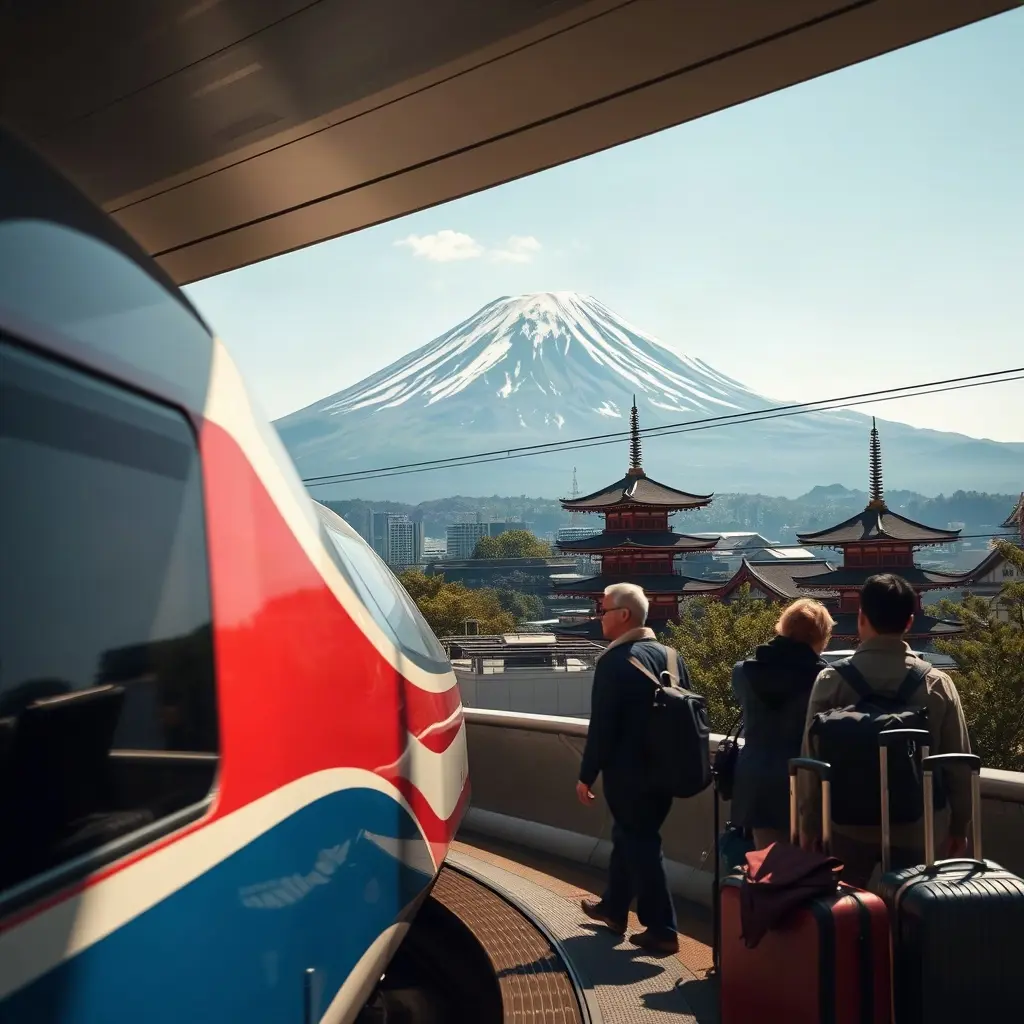
Package guides commonly describe bundled arrangements as international flights, specified hotel classes, daily breakfast, selected lunches or dinners, guided sightseeing, entrance fees and intercity transfers. 1 Common exclusions include personal meals, drinks, local transit during free time, extra baggage, tips, travel documents, travel insurance, laundry, shopping and optional activities. A headline statement that services are included should therefore be treated as a category description until each component is itemized.
Typical 2026 cost benchmarks
Published 2026 package guidance places a 10-day Japan itinerary with international flights at approximately USD 3,000 to USD 5,000 per person, while nine to fourteen-day options are described across a broader USD 2,500 to USD 6,500 range. 1 The figures are broad market benchmarks rather than a quotation for a Philippine departure. Season, cabin, hotel category, group size, internal transport and the number of included meals can move the total substantially.
| Cost reference | Published 2026 figure | What it represents |
|---|---|---|
| Flights-included 10-day package | About USD 3,000 to USD 5,000 per person | Typical broad package benchmark |
| Seven-day comfortable Tokyo and Osaka trip | About PHP 70,000 to PHP 90,000 per person | Independent travel estimate including transport categories |
| Regular Manila to Tokyo return airfare | About PHP 16,000 to PHP 20,000 | Regular-season flight estimate cited by a 2026 guide |
The Philippine travel estimate for a comfortable seven-day Tokyo and Osaka trip is PHP 70,000 to PHP 90,000 per person, while the same guide places regular-season Manila to Tokyo return airfare at about PHP 16,000 to PHP 20,000. 5 These figures are not interchangeable with a guided ten-day package, because a package can add escorts, admissions, hotel coordination and internal transfers.
Entry documents, seasons and practical risks
Philippine passport holders should check current Japanese entry rules through Japanese government and immigration channels before departure. Requirements can depend on passport validity, travel purpose, previous travel history, financial evidence, accommodation details and return arrangements. A published first-time visitor guide includes a dedicated section on obtaining a Japanese tourist visa, showing why document preparation is a central part of the itinerary rather than an incidental detail. 2 Travel insurance, health documentation and immigration forms should also be checked separately.
March to May and September to November are frequently selected for comfortable sightseeing and seasonal scenery, although weather varies between Tokyo, Kyoto, Osaka and mountain areas. A 2026 itinerary guide identifies spring and autumn as particularly suitable periods. 4 Rain, heat, snow, typhoons, delayed transport and weather-dependent attractions can change the schedule. Other risks include long walking days, compulsory shopping stops, unclear tipping rules, single-room supplements and cancellation terms that differ between the flight, hotel and tour components.
Questions to resolve before comparing itineraries
The most useful comparison is not the headline duration. Check the exact hotel-night count, arrival and departure airports, baggage allowance, airport transfers, meal count, admission tickets, internal transport, guide coverage and free-time structure. Confirm whether the itinerary is shared or private, whether a single traveler pays a supplement, and whether replacement hotels or alternative attractions can be used.
Written terms should also identify cancellation conditions, date-change rules, taxes, visa-related costs, insurance status and the treatment of missed flights or delayed trains. A fast-moving ten-day route may suit travelers who want structured logistics, while a slower plan may better suit people prioritizing neighborhood exploration or mobility comfort. Comparing these practical conditions gives a more accurate picture than treating flights, hotels and guided trips as identical inclusions across every itinerary.
Sources
- 2026 Guide to All-Inclusive Japan Tours: Prices, Inclusions, Itineraries | Travel Beyond Boundaries: https://www.travelbeyondboundaries.com/posts/2026-guide-to-all-inclusive-japan-tours-prices-inclusions-itineraries/
- Japan Itinerary for First Time Visitors (2025): https://projectgora.com/japan-itinerary-for-first-time-visitors/
- Japan on a Budget: How Much You REALLY Need for Tokyo & Osaka (Updated Budget Guide for Filipinos) | Step By Step PH: https://stepbystepph.com/en/ofw-and-travel/japan-budget-how-much-you-really-need-tokyo-osaka-updated-budget-filipinos
- The Ultimate 10 Day Japan Itinerary (2026) with Hotels and Transport Tips: https://wanderitinerary.com/10-day-japan-itinerary/
- How Much Does It Cost To Travel To Japan From The Philippines: https://racaaph.com/how-much-does-it-cost-to-travel-to-japan-from-the-philippines