Scenic Train Through Canada: Unforgettable Journeys and Iconic Routes
Fast Facts:
- Benefit: Discover Canada's vast beauty by rail.
- The ultimate Canadian travel experience for nature enthusiasts.
Journeying Through the Heart of Canada: Unforgettable Rail Adventures
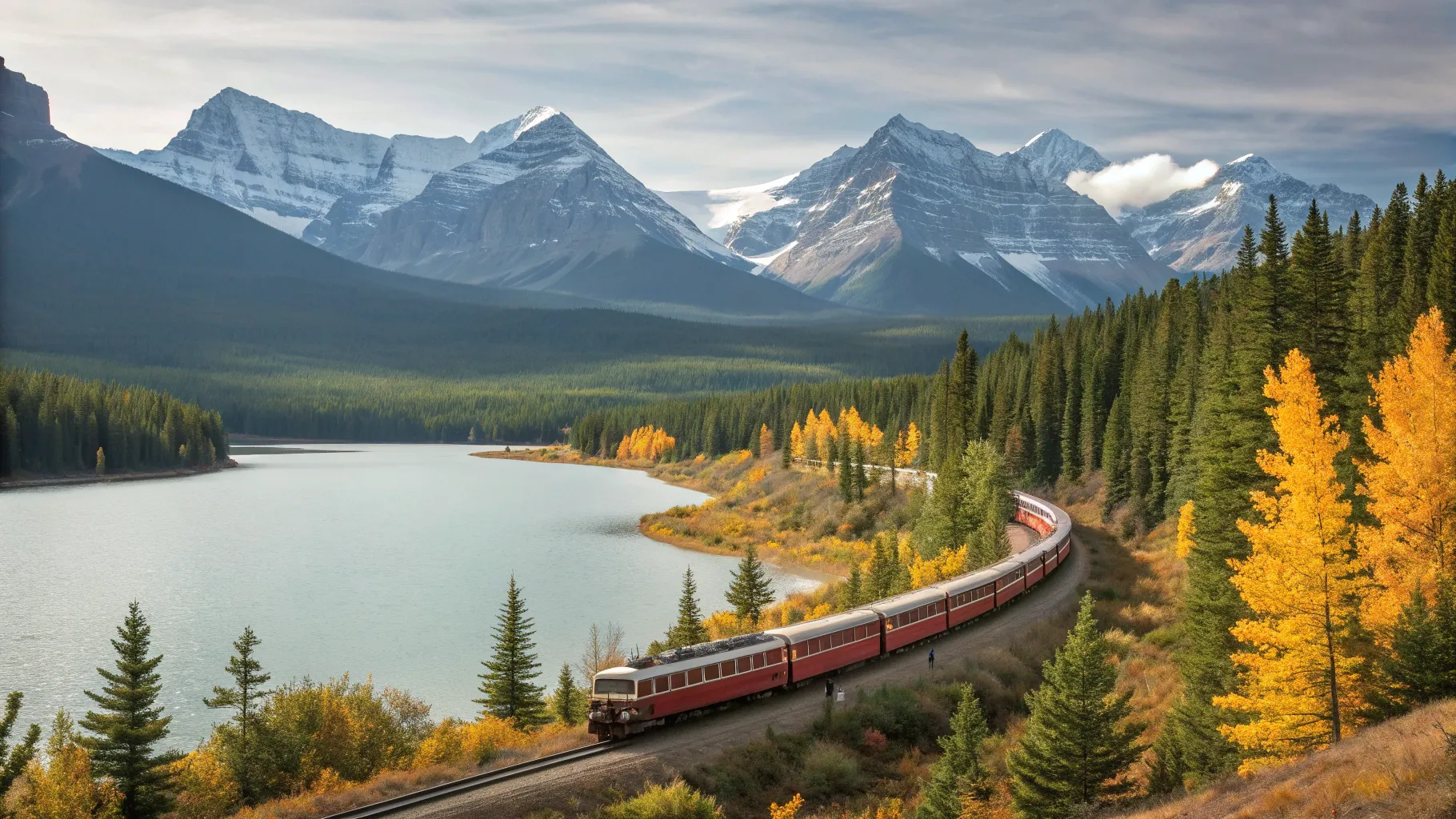
Embarking on a train journey across Canada offers an unparalleled perspective on the country's diverse landscapes, from the rugged peaks of the Rockies to the serene coastlines of the Maritimes. These voyages are not merely about reaching a destination; they are about the journey itself, a chance to immerse oneself in luxury and witness awe-inspiring panoramas. Canada boasts some of the world's most popular scenic train routes, providing travellers with a unique blend of comfort, history, and natural grandeur.
Exploring Canada's Most Breathtaking Scenic Train Routes
The Majestic Rocky Mountaineer: Western Wonders
The Rocky Mountaineer is perhaps the most renowned of Canada's luxury rail experiences, famous for its daylight-only journeys through British Columbia and Alberta. Travelers on this route are treated to spectacular views of the Canadian Rockies, with options like the "First Passage to the West" or "Journey through the Clouds." Along these tracks, you'll encounter notable landmarks along the journey such as Hell's Gate, the Spiral Tunnels, and the towering peaks of Mount Rundle and Castle Mountain. The train's domed glass coaches ensure every vista is a panoramic masterpiece.
VIA Rail's The Canadian: Coast-to-Coast Grandeur
For those seeking a more extensive adventure, VIA Rail's "The Canadian" offers a classic transcontinental experience, connecting Toronto and Vancouver over several days. This iconic journey showcases Canada's vast geographical tapestry, from the prairies of Saskatchewan to the lake country of Ontario. The total travel durations for the full route can span four days and nights, providing ample opportunity to relax and enjoy the ever-changing scenery. The onboard experience includes comfortable sleeping accommodations, gourmet dining, and observation domes for uninterrupted viewing, making it a true journey of discovery.
VIA Rail's The Ocean and Chaleur: Eastern Charm
While the Rockies often steal the spotlight, Canada's East Coast offers its own unique rail charm. VIA Rail's "The Ocean" connects Montreal with Halifax, hugging the coastline of the Bay of Chaleur and offering glimpses of picturesque maritime towns and rugged shores. For a deeper dive into the Gaspésie region, the "Chaleur" route offers a more intimate journey, though service may vary. These eastern routes provide a tranquil alternative, revealing a different facet of Canada's natural beauty and rich cultural heritage.
Choosing Your Canadian Rail Adventure: A Comparison of Experiences
Deciding which scenic train through Canada is right for you often comes down to your desired level of luxury, the length of your trip, and the specific landscapes you wish to explore. The Rocky Mountaineer offers unparalleled daytime luxury with hotel stays at night, focusing purely on visual immersion in the mountains. VIA Rail, on the other hand, provides a more traditional long-haul train experience with sleeping cars, allowing for continuous travel across longer distances and a more authentic feel for Canadian vastness. Consider the best seasons for viewing; autumn brings vibrant fall foliage in the east, while summer offers clear skies and access to all western routes, and late spring provides lush greenery and snow-capped peaks.
Tips for Planning Your Canadian Rail Journey
- Book well in advance, especially for popular routes during peak seasons.
- Pack layers of clothing to adapt to varying temperatures and onboard conditions.
- Research stopovers and excursions offered along your chosen route.
- Bring a camera with plenty of storage for the incredible views.
- Consider travel insurance, particularly for longer journeys.
- Take advantage of observation cars for the best panoramic vistas.
Frequently Asked Questions
What are the most popular scenic train routes in Canada?
The most popular routes include the Rocky Mountaineer (various routes through the Rockies) and VIA Rail's The Canadian (Toronto to Vancouver), offering distinct experiences.
What is the typical onboard experience like?
The onboard experience varies by train. Luxury trains like the Rocky Mountaineer offer gourmet dining, large viewing domes, and excellent service. VIA Rail provides comfortable seating, dining cars, and sleeping accommodations for longer journeys.
What are the usual travel durations for these scenic trips?
Travel durations range from one or two-day segments on the Rocky Mountaineer to four or five days for the full transcontinental journey on VIA Rail's The Canadian. Shorter regional routes might be a day trip.
When are the best seasons for viewing the Canadian landscapes by train?
The best seasons for viewing are typically late spring (May-June) for lush greenery and melting snow, and autumn (September-October) for spectacular fall foliage, especially in Eastern Canada and parts of the Rockies. Summer (July-August) offers warm weather and full accessibility.
Are there notable landmarks along the journey?
Absolutely! Depending on the route, you might see the Spiral Tunnels, Lake Louise, Fraser Canyon (Rocky Mountaineer), or vast prairies, dense forests, and coastal towns on VIA Rail routes. These notable landmarks along the journey are often highlighted by onboard commentary.
References
- Rocky Mountaineer Official Website
- VIA Rail Canada Official Website
- Tourism Canada Travel Guides