The Outdoor Living Room: The Trend Taking Over Backyards
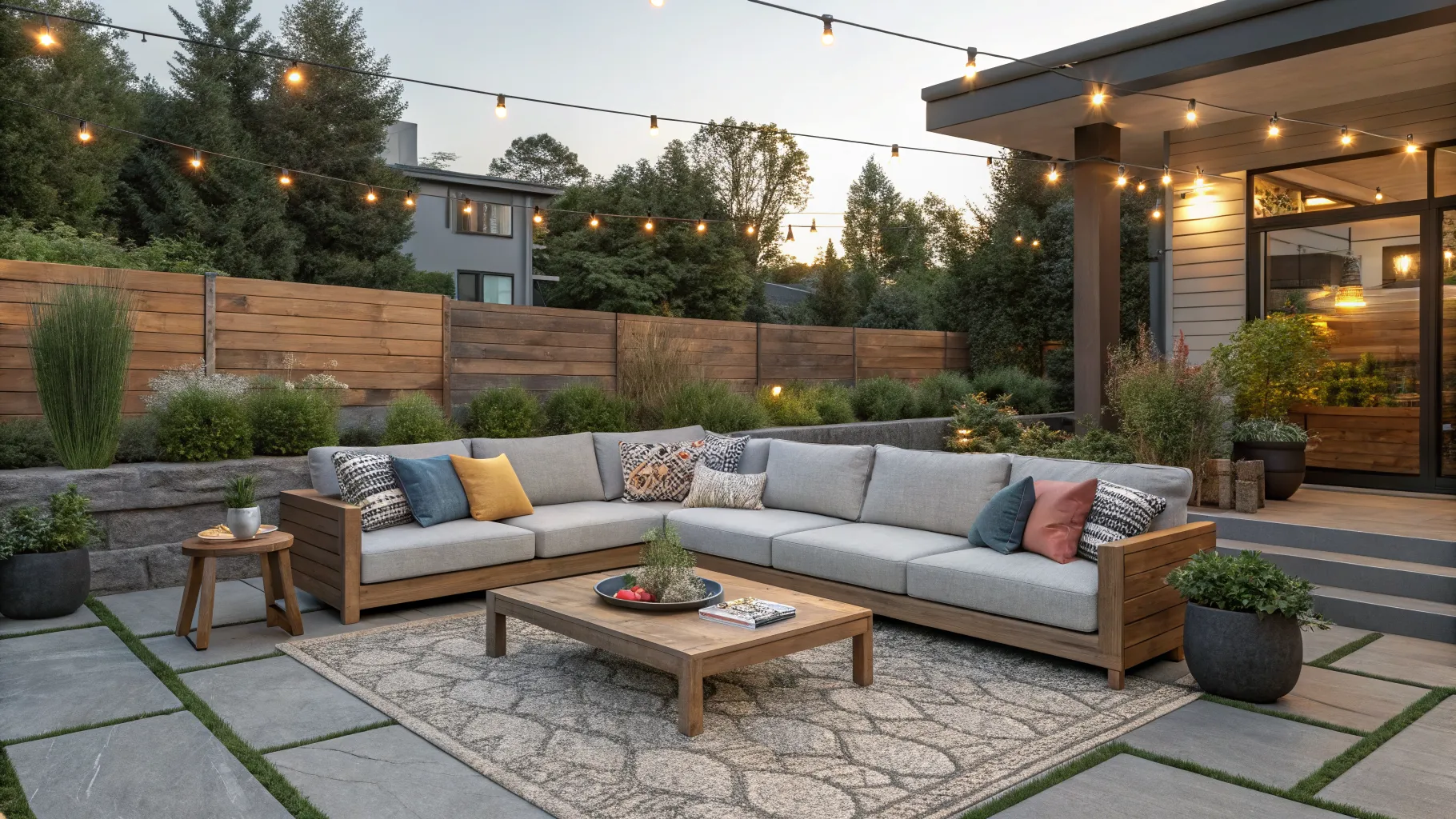
The days of simple, utilitarian patio sets are fading. A major shift in outdoor design is underway, with homeowners increasingly treating their backyards, decks, and patios as true extensions of their indoor living spaces. This trend focuses on creating comfortable, stylish, and highly functional 'outdoor living rooms' complete with sofas, coffee tables, rugs, and ambient lighting.
What Defines an Outdoor Living Room?
At its core, the outdoor living room concept is about bringing the comfort and aesthetic of an indoor lounge to the open air. Instead of a few disparate chairs and a small table, this trend involves creating a cohesive, well-designed space for relaxation and socializing. The layout often mirrors an indoor setup, centered around a main seating area with a sofa or sectional, complemented by armchairs, a central coffee table, and side tables.
The goal is a seamless transition from inside to outside. This is achieved not just through furniture choice but also through a focus on materials, textiles, and accessories that offer both durability and sophisticated style. It transforms a simple patio into a destination, a place where you can entertain guests, read a book, or enjoy a quiet evening with the same level of comfort you would expect from your primary living room.
Key Materials for Style and Durability
The success of an outdoor living room hinges on using materials that can withstand the elements without sacrificing style. For furniture frames, powder-coated aluminum is a popular choice because it is lightweight, rustproof, and available in many finishes. For a more traditional or natural look, woods like teak and eucalyptus are excellent options, as they contain natural oils that resist moisture and pests, developing a graceful patina over time.
When it comes to textiles, advancements in fabric technology are a game-changer. Look for cushions and pillows made with performance fabrics, which are engineered to resist fading from UV rays, water, and mildew. Likewise, all-weather wicker, made from synthetic resin, offers the classic look of natural wicker but with far greater durability and resistance to the elements. These materials ensure your investment looks great for years to come.
Choosing the Right Outdoor Seating
The centerpiece of any living room, indoors or out, is the seating. Outdoor sectional sofas have become incredibly popular due to their versatility. Modular designs allow you to configure the seating to perfectly fit your space and needs. For ultimate comfort, look for deep-seating collections that feature thick, plush cushions, mimicking the feel of an indoor sofa.
Pay close attention to the construction of the cushions. The best options feature quick-drying foam cores wrapped in a water-resistant layer, all enclosed in a removable, washable performance fabric cover. To complete your seating arrangement, consider adding one or two club chairs or armchairs to create a more dynamic and conversational layout. An outdoor ottoman can also serve double duty as extra seating or a footrest.
Accessorizing to Complete the Look
Accessories are what truly elevate an outdoor space from a patio to a living room. An outdoor rug is essential for defining the seating area and adding a layer of comfort and style underfoot. These rugs are typically made from synthetics like polypropylene, which can handle rain and sun without deteriorating.
Lighting is another critical element for setting the mood. Beyond standard porch lights, consider incorporating other sources for ambiance. Here are a few popular options:
- String lights or bistro lights hung overhead to create a warm, inviting glow.
- Solar-powered LED lanterns placed on tables or along pathways.
- Outdoor-rated floor and table lamps for a truly residential feel.
- Flameless candles for safe, worry-free accent lighting.
Creating Zones for Maximum Functionality
If you have a larger outdoor area, consider creating distinct zones for different activities. The main 'living room' zone would be your primary seating and conversation area. You can use an outdoor rug to visually anchor this space. A well-defined conversation pit with a sectional and a fire table is a perfect focal point for social gatherings.
Beyond the main lounge, you could establish a separate dining zone with a table and chairs for alfresco meals. You might also create a quieter, more intimate nook with a single comfortable armchair and a small side table, perfect for reading. Using planters, privacy screens, or different flooring materials can help delineate these zones, making your backyard feel larger and more organized.
What to Consider Before You Buy
Before investing in outdoor living room furniture, it is crucial to measure your space carefully. Create a simple floor plan to ensure the pieces you want will fit comfortably, leaving enough room for traffic flow. An overcrowded patio can feel cramped and unusable, so it is better to choose fewer, well-proportioned pieces than to try and fit too much in.
Also, consider your local climate and your willingness to perform maintenance. If you live in a very rainy area, quick-drying cushions and rustproof aluminum frames are a must. If your area gets intense sun, prioritize UV-resistant fabrics and materials. Regardless of your climate, investing in high-quality furniture covers is always a wise decision to protect your furniture during the off-season or inclement weather, significantly extending its lifespan.