What to Consider When Buying a Small Cabin
The dream of owning a small cabin offers an escape from the hustle and bustle of daily life, providing a cozy retreat surrounded by nature. Whether you envision a rustic log home, a modern A-frame, or a simple woodland shelter, the process of finding and buying one involves several important considerations. Understanding what to look for can help you make an informed decision and find a property that truly feels like a home away from home.
Defining Your Ideal Small Cabin
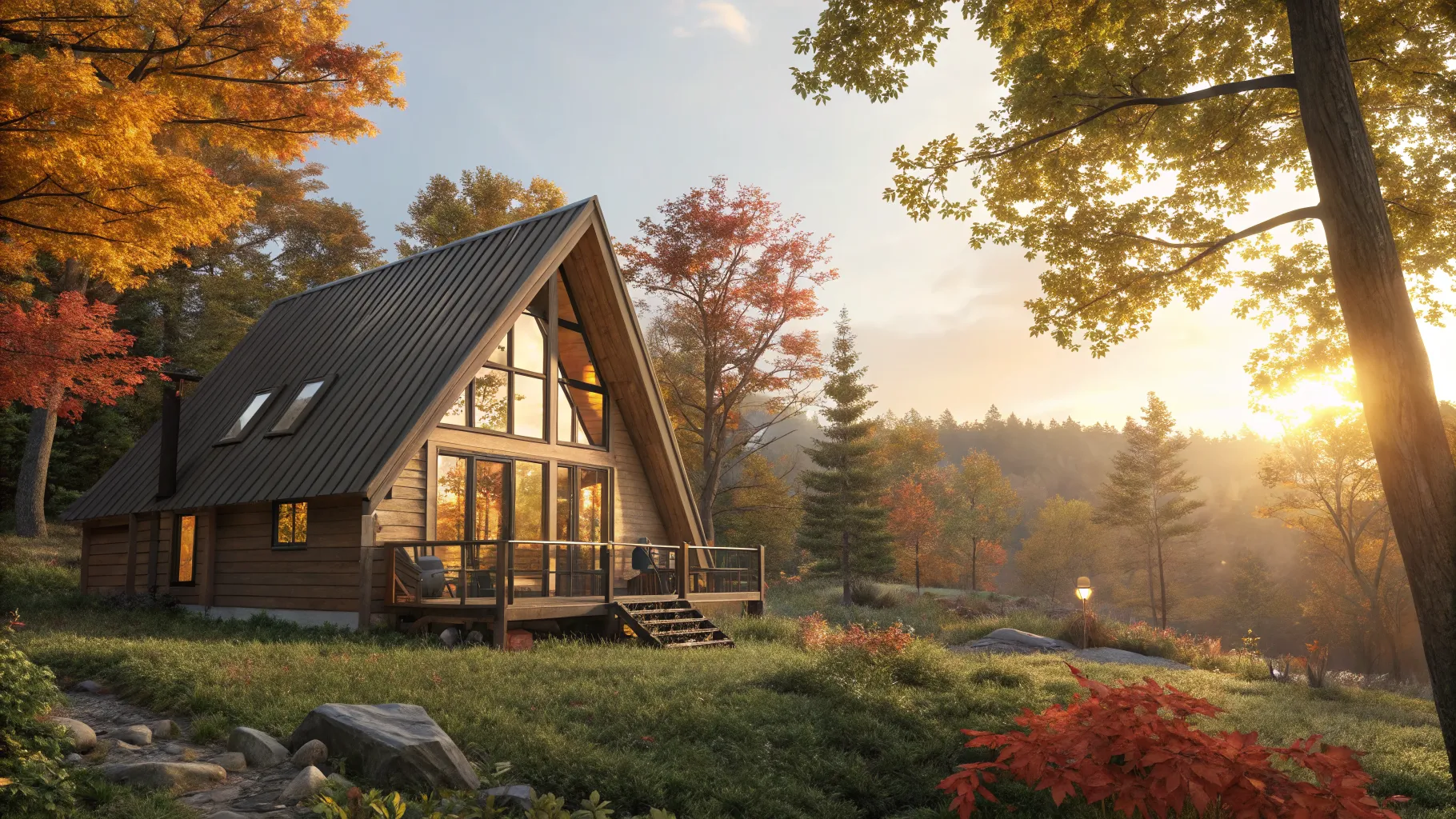
The term 'small cabin' can mean different things to different people. Generally, it refers to a home under 1,000 square feet, but the focus is often more on simplicity and a connection to the outdoors than on a specific size. Before you begin your search, it's helpful to define what you're looking for. Consider the architectural style that appeals to you, such as a traditional log cabin, a classic A-frame with high ceilings, or a modern prefabricated design with clean lines and large windows.
Think about the layout and functionality you need. How many bedrooms and bathrooms are necessary for your family or guests? Do you need a dedicated workspace or a large porch for outdoor living? Answering these questions will help narrow your search from a broad concept to a concrete set of requirements, making it easier to identify suitable properties when they become available.
Choosing the Right Location
The location of your cabin is arguably as important as the structure itself. Your ideal setting might be a remote plot deep in the woods, a lakeside property with water access, or a mountain retreat with stunning views. Each environment comes with its own set of advantages and challenges. Consider proximity to towns for supplies, access to healthcare, and travel time from your primary residence. Year-round accessibility can also be a major factor, especially in areas with heavy snowfall or unpaved roads.
Beyond the scenery, investigate the practicalities of the location. Does the property have access to utilities like electricity, running water, and internet service? If it's an off-grid property, you'll need to understand the systems in place, such as solar panels, a well for water, and a septic system for waste. Also, research local zoning laws and land-use restrictions that might affect your ability to renovate, expand, or use the property as you intend.
Understanding the Full Cost of Ownership
The sticker price of a small cabin is only the beginning. A comprehensive budget should account for a variety of other expenses. If the cabin doesn't come with land, the cost of purchasing a suitable plot will be a significant additional expense. Closing costs, which typically include fees for attorneys, title insurance, and property appraisals, can add several percentage points to the purchase price.
Once you own the cabin, you'll have ongoing costs to manage. These include annual property taxes, homeowner's insurance (which can be higher for rural or secondary homes), and regular maintenance. You should also budget for utilities, potential homeowner association (HOA) fees if the cabin is in a planned community, and a contingency fund for unexpected repairs, which are a common reality of property ownership.
Types of Small Cabins for Sale
Your search will likely reveal several different types of cabins, each with its own purchase process. You might find existing, pre-owned cabins that are ready for move-in or renovation. Alternatively, you could explore newly built options from developers specializing in cabin communities. Each path has its benefits and drawbacks.
Another popular option is a prefabricated or kit cabin. These are built off-site in a factory and then transported and assembled on your land. This can be a more affordable and faster route than traditional construction. However, it's important to research manufacturers carefully to ensure quality. Custom-building a cabin offers the most flexibility in design but is typically the most expensive and time-consuming option.
The Critical Role of a Thorough Inspection
Never skip a professional home inspection, especially for a cabin. Cabins, particularly older ones or those in remote locations, can have unique issues that a standard home inspection might overlook. A qualified inspector should examine the entire structure, from the foundation to the roof, looking for signs of water damage, pest infestations like termites or carpenter ants, and structural weaknesses.
For rural properties, the inspection should extend beyond the cabin itself. Be sure to have the well and water quality tested to ensure it is safe for drinking. The septic system should also be inspected by a specialist to confirm it is functioning correctly and is appropriately sized for the cabin. Understanding the condition of these critical systems can save you from costly and complicated problems down the road.
Navigating Financing and Legal Details
Securing a loan for a small cabin can sometimes be more challenging than for a conventional home. Some lenders may be hesitant to finance properties that are considered non-traditional, are located in very remote areas, or lack certain amenities. It's wise to speak with mortgage brokers who have experience with rural or unique properties. In some cases, a personal loan or seller financing might be viable alternatives.
The legal side of the purchase is equally important. Ensure you have a clear title to the property and understand the exact property lines and any easements that may exist. An easement gives someone else the right to use a part of your land for a specific purpose, such as a shared driveway or utility access. Working with a real estate attorney who specializes in rural properties can help you navigate the paperwork and ensure the transaction proceeds smoothly.