Gold Sovereigns by Monarch: Why Collector Premiums Vary Around the Bullion Value
Gold sovereigns have long occupied a unique position in the world of numismatics and precious metals. While these coins are minted to a specific gold purity and weight, their market price often sits above their underlying metal value. This difference, known as a collector premium, is influenced by a range of factors that extend well beyond the simple daily market price of gold. Understanding why these premiums fluctuate based on the reigning monarch and other historical details helps explain the diverse pricing landscape encountered by those interested in the hobby.
The Fundamental Relationship Between Bullion Value and Collector Premium
At its core, a gold sovereign contains approximately 0.2354 troy ounces of gold. When traders or investors speak of bullion value, they are referring to the spot price of gold multiplied by this gold content. However, physical gold coins are rarely traded at the exact spot price. Most coins carry a premium that accounts for the costs of minting, distribution, and the inherent scarcity of specific issues. This premium is generally stable for modern, high-mintage coins, but it becomes much more volatile when historical or numismatic interest enters the picture.
For many collectors, the bullion value acts as a floor for the price of a sovereign, but it is rarely the ceiling. In the secondary market, premiums typically range from a few percentage points above melt value for common circulation issues to significantly higher amounts for coins with unique historical narratives. Market conditions, such as overall demand for gold as a hedge versus demand for rare collectible items, often dictate which side of the transaction carries more weight in determining the final price.
Historical Eras and the Influence of the Reigning Monarch
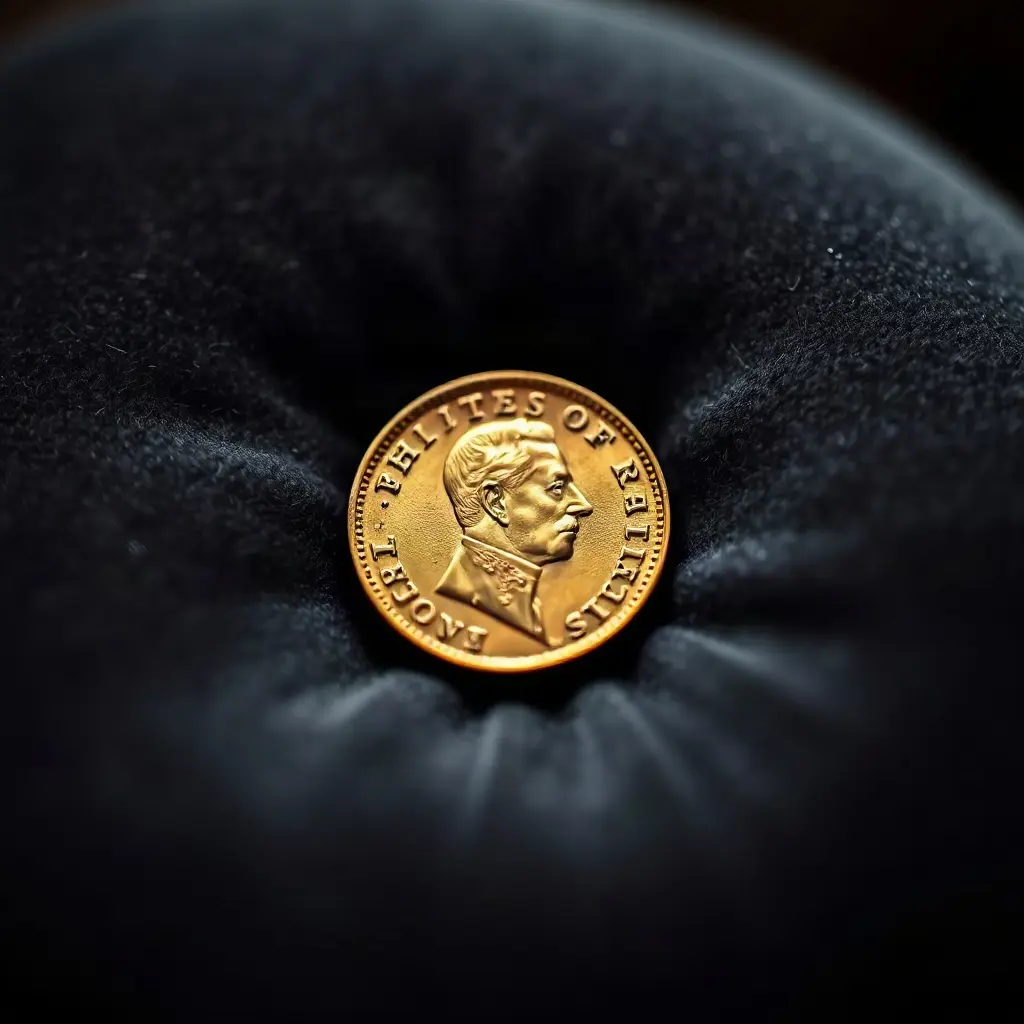
The portrait of the monarch on a sovereign serves as a primary marker for its age and historical context. Sovereigns minted during the Victorian era, for instance, are often categorized by different portrait styles, such as the Young Head, Jubilee Head, or Veiled Head. Each of these eras represents a different period of production, and certain monarchs had shorter reigns or lower mintages that can affect the availability of their coins today.
When a specific monarch or a particular portrait style becomes highly sought after, the premium naturally rises. It is not necessarily the gold itself that is valued more highly, but the survival of the coin in a specific condition. Collectors often look for coins that capture a distinct moment in history, and because the sovereign has been produced for over two centuries, the variety of monarchs provides a long timeline for potential research and acquisition.
The Impact of Mintage and Production Facilities
Gold sovereigns were not only minted at the Royal Mint in London but also at branch mints across the British Empire, such as those in Melbourne, Sydney, Perth, Ottawa, Bombay, and Pretoria. These branch mints often have specific mint marks, such as M, S, P, C, I, or SA, which are tiny letters stamped on the coin. The location of the mint can drastically change the scarcity of a specific date.
A sovereign from a specific year minted in London might be relatively common, while the same year minted at a branch facility in a remote location could be quite rare. Because of these variations, two coins of the same monarch and year can command vastly different prices. Serious collectors often focus on these mint marks to build specialized collections, which creates localized demand that can drive premiums well above those of standard issues.
Grading and the Role of Physical Condition
The physical state of a sovereign is perhaps the most significant driver of premiums above bullion value. Sovereigns were designed as circulating currency, meaning many were used in daily transactions and show signs of wear, such as surface scratches, soft details, or dings on the rim. Coins that retain their original mint luster or exhibit high-relief details are considered to be in a higher grade.
Professional third-party grading services often encapsulate these coins in protective holders with an assigned grade. A coin that is graded as near-perfect condition will command a significantly higher premium than a heavily circulated coin of the same date and monarch. The gap between a bullion-grade coin and a high-grade numismatic specimen can be substantial, as the former is bought for its metal, while the latter is bought for its status as a preserved historical artifact.
Market Scarcity and Collector Preferences
Beyond the objective statistics of mintage figures, market sentiment plays a massive role in how premiums are set. Sometimes, a specific series or a certain style of sovereign gains popularity among a group of collectors, which can quickly dry up supply in the open market. When demand outpaces the available number of high-quality examples for a specific monarch, the premium attached to those coins tends to rise.
It is also important to note that what is considered rare can shift over time. As more collectors enter the market and begin looking for specific historical markers, coins that were once considered standard may eventually be reclassified in terms of their market desirability. This fluidity means that premiums are not static and can respond to the broader interests and trends within the numismatic community.
Risks and Considerations for Understanding Market Pricing
Navigating the market for gold sovereigns requires an awareness of the distinction between bullion investment and numismatic collecting. Those primarily interested in the gold content should understand that high collector premiums represent a cost that is not recoverable if the coin is later sold strictly for its metal value. On the other hand, those focusing on the history and rarity of the coins should be prepared to evaluate factors like grading, mint marks, and historical provenance.
It is common for buyers to encounter prices that fluctuate based on the reputation of the seller and the level of service provided, such as authentication and expert appraisal. Understanding the nuances of why a premium exists for a particular coin-whether it is due to an exceptionally rare mint mark, an outstanding physical state, or historical significance-is the most effective way to approach the market for these enduring pieces of history.