Speed dating evenings for singles: questions, timings and table rotations
Speed dating is a structured social event designed to allow a group of single people to meet many potential romantic interests in a relatively short window of time. These gatherings prioritize efficiency and face-to-face interaction, moving away from digital communication in favor of brief, high-paced conversations. While the atmosphere can vary depending on the organizers and the specific demographic targeted, the fundamental mechanics of how these events operate remain remarkably consistent across most venues.
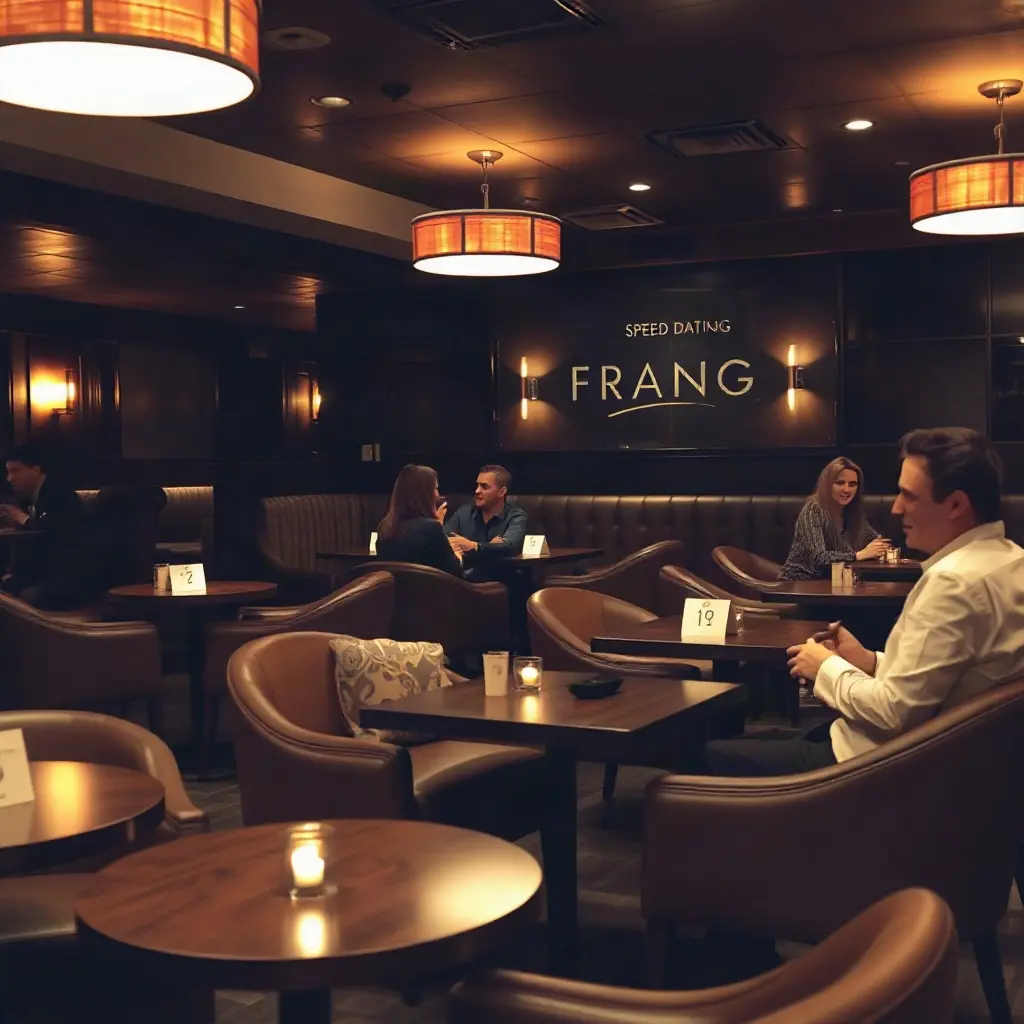
The Core Structure of Speed Dating Timings
The timing of a speed dating event is the most essential element that defines the experience. Each round typically lasts between three and five minutes. This timeframe is chosen because it is long enough to assess basic compatibility and physical attraction but short enough to keep the conversation from stalling or becoming awkward. When the time is up, a signal is given, usually via a bell, whistle, or announcement from the host, and participants rotate to their next partner.
Events are often broken into two halves with a short intermission, usually lasting about fifteen to twenty minutes, in the middle. This break allows participants to order drinks, step outside for fresh air, or simply reflect on the connections they have made so far. Including the introduction and the final wrap-up, a standard event typically lasts between ninety minutes and two hours, depending on the number of attendees present.
Managing Table Rotations for Every Participant
Table rotations ensure that every participant has the chance to meet everyone else of the opposite gender in attendance. In a standard setup, one gender remains seated while the other rotates one position clockwise after every interval. Organizers will typically number the tables to ensure that the process flows smoothly without confusion. Once a person has circled back to their original seat, the event is considered concluded.
The efficiency of the rotation is highly dependent on the host’s ability to keep the room on track. Participants are expected to move quickly to minimize downtime between rounds. If there is an odd number of attendees, the rotation might involve a empty chair or a situation where someone sits out for a round, although reputable organizers strive to balance the groups as evenly as possible to avoid this scenario.
Common Questions to Break the Ice
Since the time limit for each conversation is quite strict, many participants rely on a set of go-to questions to quickly identify common interests. While standard small talk like asking about one's occupation or hometown is common, many people prefer more inventive questions to get past the surface level quickly. Examples of common inquiries include asking about favorite travel memories, recent hobbies, or what someone likes to do on a typical weekend.
It is important to remember that speed dating is meant to be casual, so questions are usually focused on finding common ground rather than deep interrogation. Participants often find that keeping the conversation lighthearted helps reduce the pressure of the environment. If the conversation becomes difficult, it is widely accepted to stick to simple, open-ended questions that allow the other person to steer the topic toward their own interests.
Typical Costs and Financial Expectations
The price for attending a speed dating event typically ranges from $25 to $60 USD per session. This cost generally covers the venue hire, the administrative work of the organizers, and often includes one complimentary drink or snack. Factors that influence the pricing include the location, the exclusivity of the venue, and the level of service provided by the organizing company, such as post-event matching software.
Some organizers may offer packages or early registration rates, though it is standard to pay the same price regardless of the demographic being targeted. It is helpful for participants to understand that the fee is purely for the event management and environment. Any additional food or beverage purchases beyond what is included are usually paid for directly by the attendee at the bar.
Managing Expectations and Participant Behavior
A successful speed dating experience relies heavily on the behavior and attitude of those involved. Because the encounters are brief, it is easy for participants to feel rushed or overwhelmed. Maintaining a friendly and polite demeanor is considered the standard expectation for all attendees, regardless of whether a particular match feels like a good fit. Most participants are there for the same purpose, which generally creates a supportive environment.
It is also worth noting that results are rarely immediate. Participants often use scorecards or digital apps provided by the organizers to rank their interests at the end of the evening. These results are typically processed overnight or within a few days, and participants are then notified of any mutual connections. This delay ensures that the process of matching is handled privately and provides a secondary layer of comfort for those who prefer not to handle rejection in person.
Essential Tips for a Smooth Experience
To have a positive experience, participants should arrive with a clear sense of what they are looking for while keeping an open mind about the people they meet. It is standard practice to avoid overly controversial or heavy topics, as these can consume the limited time and shift the tone of the conversation away from a pleasant introduction. Being prepared for the pace of the room and respecting the bell or signal for rotation helps maintain the energy and fairness of the event.
If someone feels uncomfortable or is having a difficult time, they can always reach out to the host for guidance. The host is there to manage the logistics and address any issues that arise during the rotations. Ultimately, viewing the evening as a social experiment rather than a high-stakes encounter often leads to a more relaxed and enjoyable outcome for everyone involved.