3-night city break in Rome with flights and hotel included: A Guide to Planning Your Short Trip
A 3-night city break in Rome with flights and hotel included combines the main parts of a short holiday into one travel arrangement. The limited length makes planning important, because Rome has major archaeological sites, museums, churches, neighbourhoods and food markets spread across the city. A sensible plan balances well-known sights with travel time, rest and the practical details that can affect a brief stay.
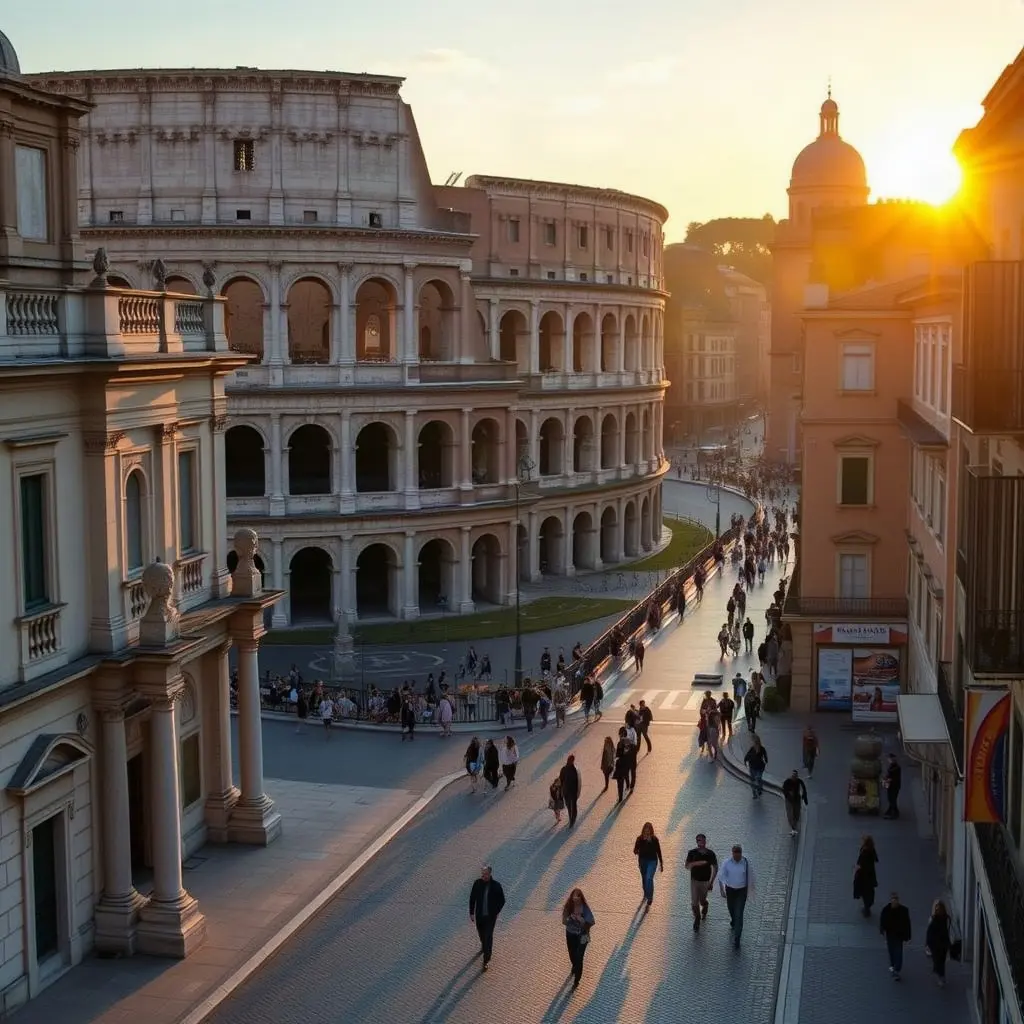
How a 3-night Rome city break is usually structured
A three-night trip normally provides two full sightseeing days, plus parts of the arrival and departure days. The first day may involve a flight, airport transfers and hotel check-in, while the final day is often shaped by the return flight time. This means the number of usable hours can vary considerably even when every itinerary is described as a three-night break.
Arrangements with flights and hotel included generally combine return air travel with a specified number of nights in accommodation. Some arrangements also include airport transfers, checked luggage, breakfast or entrance tickets, but these additions are not automatic. The details can differ according to the airline, airport, hotel category and terms attached to the travel arrangement, so the included elements need to be read separately rather than assumed from the headline.
Choosing flights and handling Rome’s airports
Rome is mainly served by Leonardo da Vinci International Airport, commonly called Fiumicino, while Ciampino handles some short-haul and budget airline services. Fiumicino is farther from the historic centre but has rail and road connections into the city. Ciampino is closer to central Rome by road, although the journey can be affected by traffic and may involve a bus connection to another transport service.
Flight times influence the practical value of a short break. An early outbound flight can provide more time on the first day, while a late return may extend the final day, but both may involve inconvenient departure times or additional transport planning. Airport location, luggage rules, seat allocation and possible changes to the flight schedule are also relevant. A flight that looks convenient on a timetable may leave little time for sightseeing after airport procedures and the journey to the hotel.
Understanding the hotel part of the arrangement
Rome accommodation ranges from small guesthouses and simple city hotels to larger properties near transport hubs. Hotels around Termini station are often practical for airport connections and regional trains. Properties in the historic centre can reduce walking time to attractions, but the surrounding streets may be busy, and rooms in old buildings can vary in size, lift access and sound insulation.
Location matters more than a star label when the stay is short. A hotel close to a metro station or a reliable bus route may make it easier to reach the Vatican area, the Colosseum and neighbourhoods across the Tiber. Hotel arrangements may include a private room and taxes, but breakfast, city tax, luggage storage, late check-in and local transfers can have separate conditions. Accommodation descriptions should also distinguish between a central address and a property in the wider metropolitan area.
Building a realistic two-day sightseeing plan
Rome’s most visited areas are not all next to one another, so grouping attractions by location reduces unnecessary crossings of the city. One day might focus on ancient Rome, including the Colosseum area, the Roman Forum and Palatine Hill. Another could combine the Pantheon, Piazza Navona, the Trevi Fountain and nearby streets, with the Vatican museums and St Peter’s Basilica treated as a separate focus if those sites are priorities.
Timed entry is common at major museums and archaeological attractions, and opening arrangements can vary by season, weekday and religious calendar. The Vatican area can require several hours, especially when museum collections are included. The historic centre is easier to explore at walking pace, but cobbled streets, hot weather and crowded passages can make distances feel longer than they appear on a map. Leaving some unassigned time allows for meals, queues, unexpected closures and simple wandering.
Examples of areas to combine
Ancient Rome: the Colosseum district, the Roman Forum and nearby viewpoints.
Historic centre: the Pantheon, Piazza Navona, the Trevi Fountain and Campo de’ Fiori.
Vatican area: the Vatican Museums, St Peter’s Basilica and Castel Sant’Angelo.
Trastevere and Testaccio: restaurants, lanes, markets and a more neighbourhood-focused atmosphere.
Getting around during a short stay
Central Rome is often manageable on foot, particularly between attractions in the historic centre. The metro is useful for longer journeys, including routes towards the Colosseum and Vatican area, although it covers fewer parts of the old centre than some visitors expect. Buses and trams extend the network, but traffic can make journey times less predictable, especially during busy periods.
Airport transfers may be arranged separately from the hotel and can involve a train, coach, taxi or private vehicle. Taxis operating from official airport ranks follow regulated systems, while unlicensed drivers may approach travellers inside terminals. Public transport tickets generally need to be purchased and validated according to the local system. Comfortable walking shoes, a small day bag and awareness of traffic around crossings are practical considerations for a sightseeing-heavy itinerary.
Food, reservations and daily spending
Meals are not always part of a flight-and-hotel arrangement, even when hotel breakfast is listed. Rome offers everything from bakery counters and casual trattorias to formal restaurants, with traditional dishes including pasta alla carbonara, cacio e pepe, amatriciana and Roman-style pizza. Menus and service customs vary, and a cover charge or service line may appear separately on a restaurant bill.
Meal planning can be kept flexible by placing a longer meal in one neighbourhood each day rather than travelling across the city for every reservation. Popular restaurants may require advance arrangements, but many casual places serve customers without them. Daily spending depends on dining style, transport use, museum admissions and how often refreshments are purchased near major attractions, where prices may be higher than on surrounding residential streets.
Documents, local rules and common practical issues
Entry requirements depend on nationality, passport validity and the country of departure. Travellers should use current government or consular information for visa rules, permitted length of stay and any required travel authorisation. A passport or identity document may also be needed for hotel registration, and some accommodation providers collect a local tourism tax that is separate from the main travel arrangement.
Rome is generally a city where ordinary precautions are useful. Crowded transport, queues and busy squares can create opportunities for pickpocketing, particularly around major landmarks. Visitors should keep important documents secure, be cautious with unsolicited assistance and use official taxi services. Churches may require covered shoulders or knees, and large bags may not be accepted at some religious or archaeological sites. Weather can also affect plans, with strong summer heat and occasional rain making water, shade and adaptable clothing valuable.
Making the most of the arrival and departure days
The arrival day works best when it is kept geographically simple. After reaching the hotel, a nearby walk through a central square or neighbourhood can provide an introduction to Rome without depending on a strict timed admission. If the flight arrives late, a meal close to the accommodation and an early start the next day may be more practical than attempting a distant attraction.
On the departure day, luggage storage may be available, but this depends on the hotel and its operating arrangements. The journey to the airport should allow time for city traffic, airport procedures and any required baggage handling. A short Rome trip is easier to manage when the most important sightseeing is placed on the two full days, while arrival and departure are treated as partial travel days rather than assumed to be complete days in the city.