A Guide to Mini Skip Hire: What You Need to Know
When you're tackling a small home renovation, clearing out the garden, or simply having a major declutter, you might find you have more waste than your regular council bin can handle. This is where mini skip hire becomes an incredibly useful service. It bridges the gap between individual bin capacity and the need for a large builder's skip, providing a cost-effective and convenient way to manage waste from smaller projects.
What Exactly is a Mini Skip?
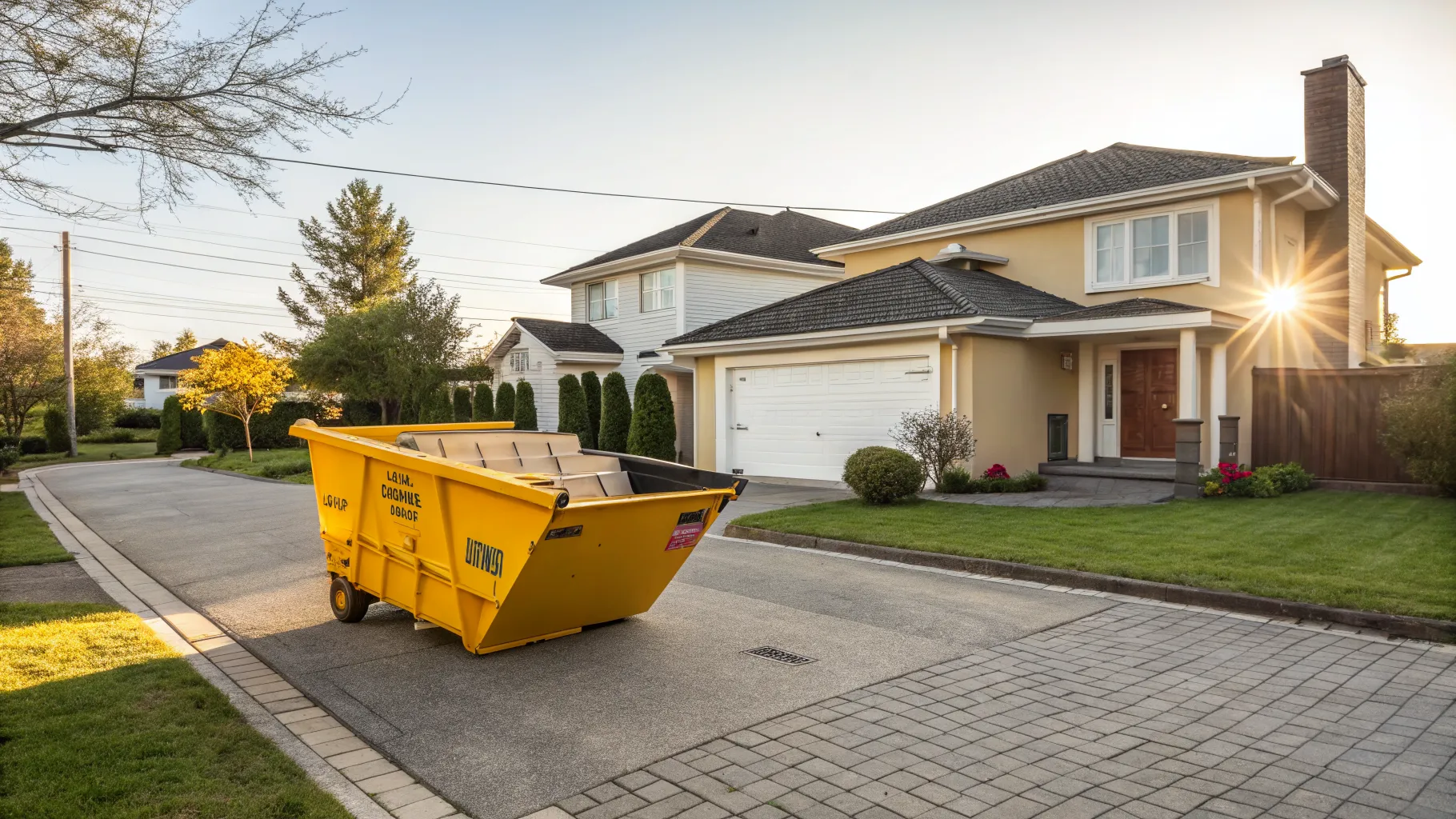
A mini skip is the smallest size of skip available for hire. It is specifically designed for domestic use and small-scale commercial projects where space and the volume of waste are limited. Typically, mini skips come in two main sizes: 2 cubic yards and 3 cubic yards. Their compact footprint makes them ideal for properties with limited access or small driveways where a larger skip would be impractical or impossible to place.
In practical terms, a 2-yard mini skip can hold approximately 20 to 30 standard black bin bags of waste. This makes it a perfect choice for tasks that generate a moderate amount of debris, far exceeding what you could fit in your weekly rubbish collection but not enough to justify the expense of a much larger container. They are an efficient and tidy way to contain project waste in one place before it is collected and disposed of professionally.
Common Uses for Mini Skips
The versatility of the mini skip makes it suitable for a wide range of tasks around the home and garden. They are frequently hired by homeowners and DIY enthusiasts who need a simple solution for waste management without committing to a large, industrial-sized container.
- Garden Clearances: Ideal for disposing of soil, turf, small branches, leaves, and other green waste.
- Small DIY Projects: Perfect for waste from redecorating a room, such as old wallpaper, flooring, and skirting boards.
- Home Decluttering: A great option for clearing out a garage, loft, or shed, handling old furniture, broken toys, and general household junk.
- Minor Renovations: Suitable for the debris from a small bathroom or kitchen refit, including old tiles, fittings, and cabinetry.
Understanding Mini Skip Sizes and Capacity
Choosing the right skip size is crucial to ensure you have enough space for your waste without paying for capacity you do not need. The term 'cubic yard' refers to the volume the skip can hold, with one cubic yard measuring 3 feet high by 3 feet wide by 3 feet long.
The 2-yard skip, often called a 'mini skip', is the most popular choice for very small jobs. It generally measures about 1.2 metres in length, 0.9 metres in width, and 0.76 metres in height. As mentioned, it can hold the equivalent of around 20-30 bin bags. The next size up, the 3-yard skip, offers a little more room, holding approximately 30-40 bin bags, making it a good option for slightly larger bathroom refits or extensive garden work.
What Can and Cannot Go in a Mini Skip?
While mini skips are great for general waste, there are strict regulations about what materials can be placed inside them. This is due to environmental laws and safety requirements at waste processing facilities. Understanding these rules is essential to avoid potential extra charges or the refusal of collection.
Permitted Waste
Most general waste from household and garden projects is acceptable. This typically includes:
- Bricks, rubble, and concrete
- Soil, clay, and stones
- Wood, metal, and plastics
- Furniture and non-electrical fittings
- Cardboard and paper
- General domestic rubbish
Prohibited Items
Certain items are classified as hazardous or are difficult to recycle and must never be placed in a mixed waste skip. You will need to arrange for specialist collection for these materials.
Commonly prohibited items include:
- Asbestos
- Plasterboard
- Electrical appliances (fridges, TVs, computers)
- Batteries and tyres
- Paint, solvents, and other chemicals
- Gas cylinders
- Medical waste
The Hiring Process and Associated Costs
Hiring a mini skip is a straightforward process. You can start by searching for local skip hire companies online or in a directory to compare prices. Once you have chosen a provider, you simply need to book a delivery date, specify the size you need, and provide payment. The company will deliver the skip to your property, and you can fill it at your own pace within the agreed hire period, which is typically one to two weeks.
The cost of hiring a mini skip can vary significantly based on several factors. Your geographical location is a major influence, with prices in large cities often being higher than in rural areas. The size of the skip, the length of the hire period, and whether you need a permit will also affect the final price. As a general guideline, you can expect to pay anywhere from £70 to £150 for a 2-yard mini skip, but it is always best to get quotes from multiple local suppliers.
Permits and Placement Regulations
Where you intend to place the skip is an important consideration. If you have a private driveway, garden, or other off-road space on your property, you can place the skip there without any additional paperwork. This is the simplest and most cost-effective option.
However, if you do not have private land and need to place the skip on a public road or pavement, you will require a skip permit from your local council. The skip hire company will almost always arrange this permit on your behalf, but the cost will be added to your bill. Furthermore, skips placed on public highways must have safety lights and markings, such as traffic cones, to ensure they are visible to motorists and pedestrians, especially at night.