14-night all-inclusive package holidays to Fiji including flights and transfers: What to Know
14-night all-inclusive package holidays to Fiji including flights and transfers combine long-haul air travel with accommodation, meals, selected activities, and transport between arrival points and resorts. The details can differ considerably by island, resort type, departure airport, and what the package defines as all-inclusive.
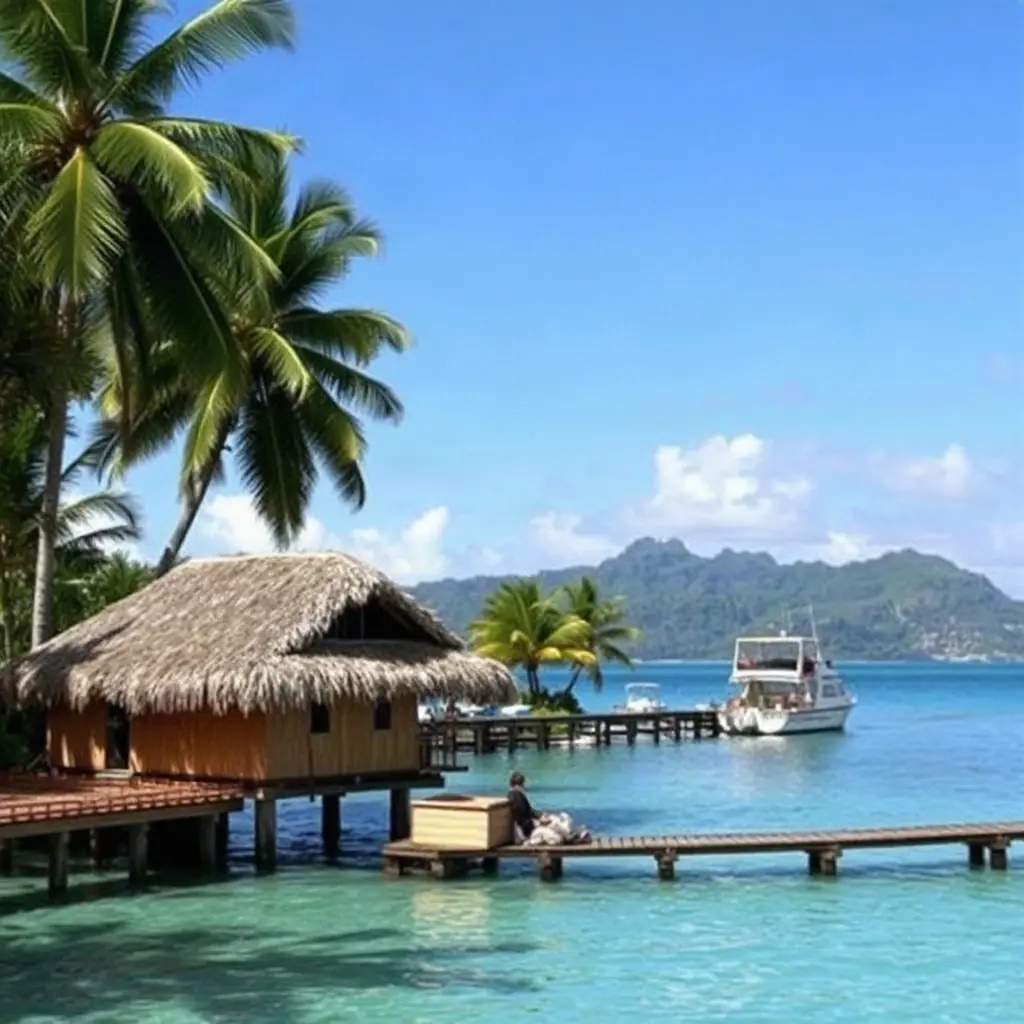
What a 14-night Fiji package usually includes
A 14-night holiday normally refers to 14 nights of accommodation, which often means a journey lasting around 15 days when travel dates are counted from departure to return. The package may be arranged around a single resort, or it may divide the stay between Viti Levu, the main island, and smaller islands in the Mamanuca or Yasawa groups.
Flights are commonly included as part of a combined itinerary, while accommodation is usually based on a room, bure, villa, or suite. Meals may cover breakfast, lunch, and dinner, but drinks, premium menus, room service, excursions, spa treatments, and motorised water sports can remain separate. The exact meaning of all-inclusive should be read in the package terms rather than assumed from the label.
Flights to Fiji and the length of the journey
Most international visitors arrive at Nadi International Airport on Viti Levu, which is Fiji's main gateway for tourism. Some domestic services and regional connections use Nausori International Airport near Suva, but Nadi is generally more relevant for resort transfers and island connections.
From Europe or North America, the journey usually involves one or more connections and can take a substantial part of a day in each direction. Routes from Australia, New Zealand, and parts of Asia are often more direct, although the available schedule depends on the departure city and travel season. A package may include checked baggage, seat selection, meals, or airport changes in different ways, so the flight portion needs to be considered separately from the resort stay.
How transfers work after arrival
Transfers are particularly important in Fiji because many resorts are not located close to the international airport. A land transfer may use a shared coach, private vehicle, or taxi to reach a port, marina, or mainland resort. From there, a ferry, water taxi, or resort boat may continue the journey to an offshore island.
Transfer time can range from a relatively short road journey to several hours involving road and boat connections. Some island resorts use scheduled passenger vessels, while others rely on transfers arranged around flight arrivals. Late international arrivals can therefore affect the available onward connection, and an overnight stay near Nadi may sometimes form part of the practical itinerary. Luggage limits can also be different on small aircraft or boats than on the international flight.
Accommodation and the meaning of all-inclusive
Fiji accommodation ranges from large beachfront resorts on Viti Levu to smaller properties on private or semi-private islands. Rooms may be described as garden rooms, ocean-view rooms, bures, or villas. A bure is traditionally a single-storey structure, although modern versions can have hotel-style facilities and a range of locations within the resort.
All-inclusive arrangements often cover set meals and a selection of drinks, with some properties adding scheduled entertainment, non-motorised water activities, or limited excursions. Other arrangements use full board, which covers meals but not drinks or activities. Restrictions can apply to premium spirits, imported wine, special dining venues, minibar items, and meals outside the main restaurant, making the inclusions schedule an important part of comparing different packages.
Meals, activities, and island time
Fijian resorts commonly serve a mixture of local and international food, including seafood, tropical fruit, root vegetables, rice, and dishes influenced by Indian, Melanesian, and wider Pacific cooking. Dining may be buffet-based, set-menu, or a combination of the two. Dietary requirements can usually be discussed with the accommodation provider, but the range of alternatives may be broader at larger resorts than at small island properties.
Included activities often centre on the coast and may include swimming, snorkelling equipment, kayaking, paddleboarding, cultural demonstrations, or organised walks. Scuba diving, fishing trips, jet-skiing, visits to distant islands, and private excursions commonly involve additional arrangements. Weather, sea conditions, safety rules, and equipment availability can affect which activities operate on a particular day.
Planning a 14-night itinerary in Fiji
Fourteen nights allows time for a slower stay than a short resort break, but the geography still matters. A single-island itinerary reduces travel days and gives more time at one property. A split stay can provide contrast, such as several nights near Nadi or Coral Coast followed by time on an offshore island, though each move adds a transfer and a greater possibility of disruption.
Viti Levu offers access to Nadi, Denarau, the Coral Coast, Suva, and inland areas such as the highlands around Nadi. The Mamanuca Islands are relatively close to the western coast, while the Yasawa Islands extend farther north and may require longer boat or air connections. Taveuni, Vanua Levu, and Kadavu offer different landscapes and diving environments, but domestic travel may be needed and schedules are less flexible than on the main tourist routes.
Weather and the best time for different plans
Fiji has a tropical climate, with warm temperatures throughout the year. The wetter season generally brings higher humidity and more frequent heavy showers, while the drier season is often associated with more settled conditions. Rainfall varies between regions, and the eastern sides of the larger islands tend to be wetter than the west.
Weather can influence boating, snorkelling visibility, hiking, and road transfers. Tropical systems are not an everyday occurrence, but they can affect flights and marine transport when they develop. Travellers planning outdoor activities across a 14-night stay may find that a longer visit provides flexibility, since not every excursion needs to take place on a particular day.
Entry requirements and practical preparations
Passport validity, visa rules, onward travel requirements, and permitted length of stay depend on nationality. Some visitors can enter for tourism without arranging a visa in advance, while others need prior permission. Requirements can change, so official immigration information for Fiji and the relevant airline guidance should be used before departure.
Travel insurance is worth considering because medical treatment, missed connections, weather disruption, and evacuation from a remote island can create significant costs. Fiji uses the Fijian dollar, although major resorts may also accept widely used international cards. Internet access and mobile coverage are generally stronger around the main islands than in remote resort areas, and power outlets may differ from those used at home.
What to look for in the package terms
The most useful comparison is not simply the number of nights, but the complete chain from the departure airport to the final resort. Flight connections, baggage allowances, domestic sectors, port transfers, boat schedules, and the number of nights at each property can all change the character of the trip.
- Whether the 14 nights are at one resort or divided between several locations.
- Which meals, drinks, restaurants, and activities are included.
- Whether transfers are shared, private, by road, by boat, or by domestic aircraft.
- What happens if an international flight arrives after the last onward transfer.
- Whether taxes, resort fees, equipment hire, and domestic travel are included in the stated arrangement.
Cancellation and alteration rules also vary between the flight and accommodation components. Remote resorts may have more limited medical facilities and fewer alternative transport options than mainland properties. Understanding these practical differences helps set realistic expectations for a 14-night all-inclusive stay in Fiji.